
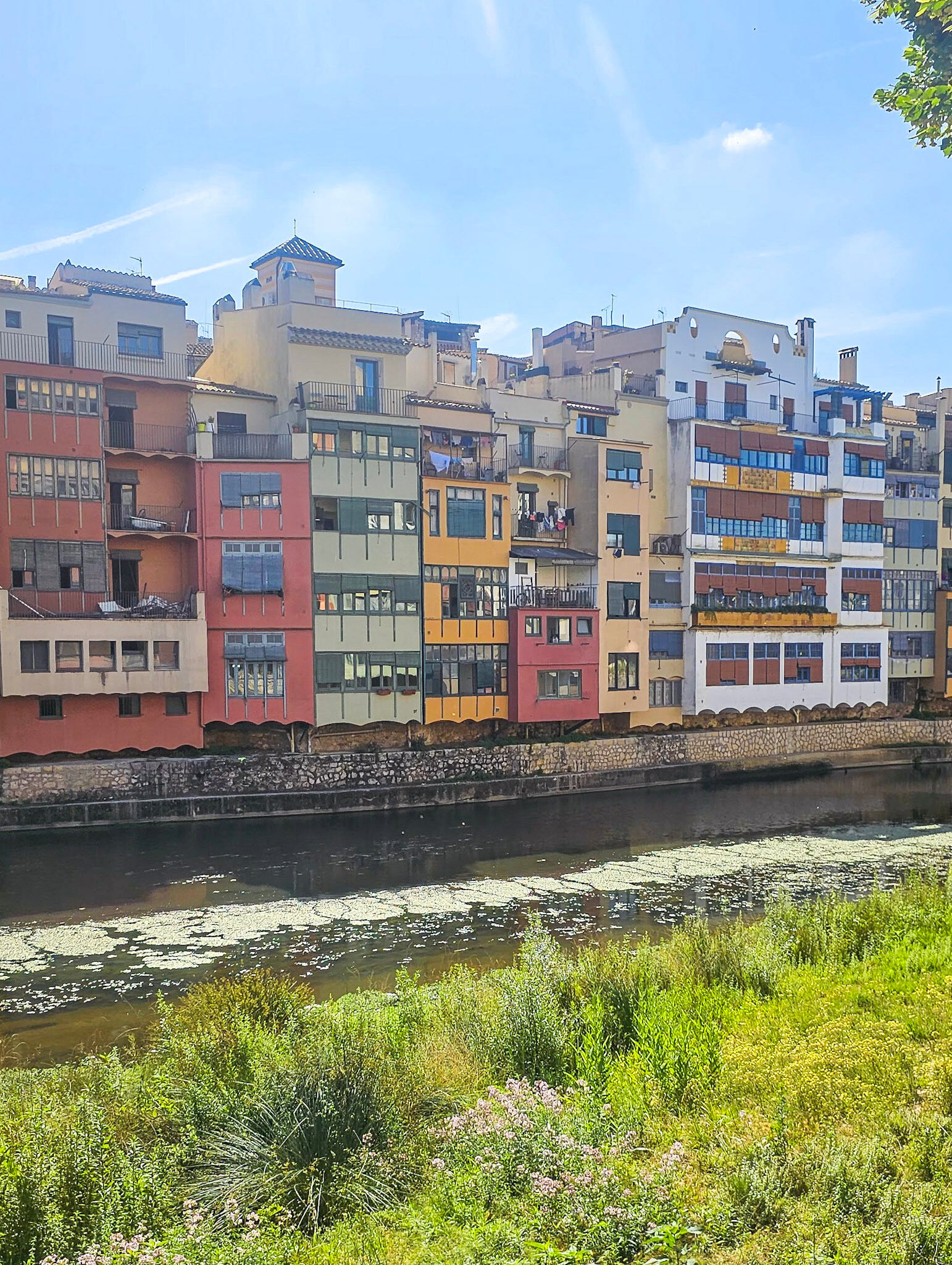
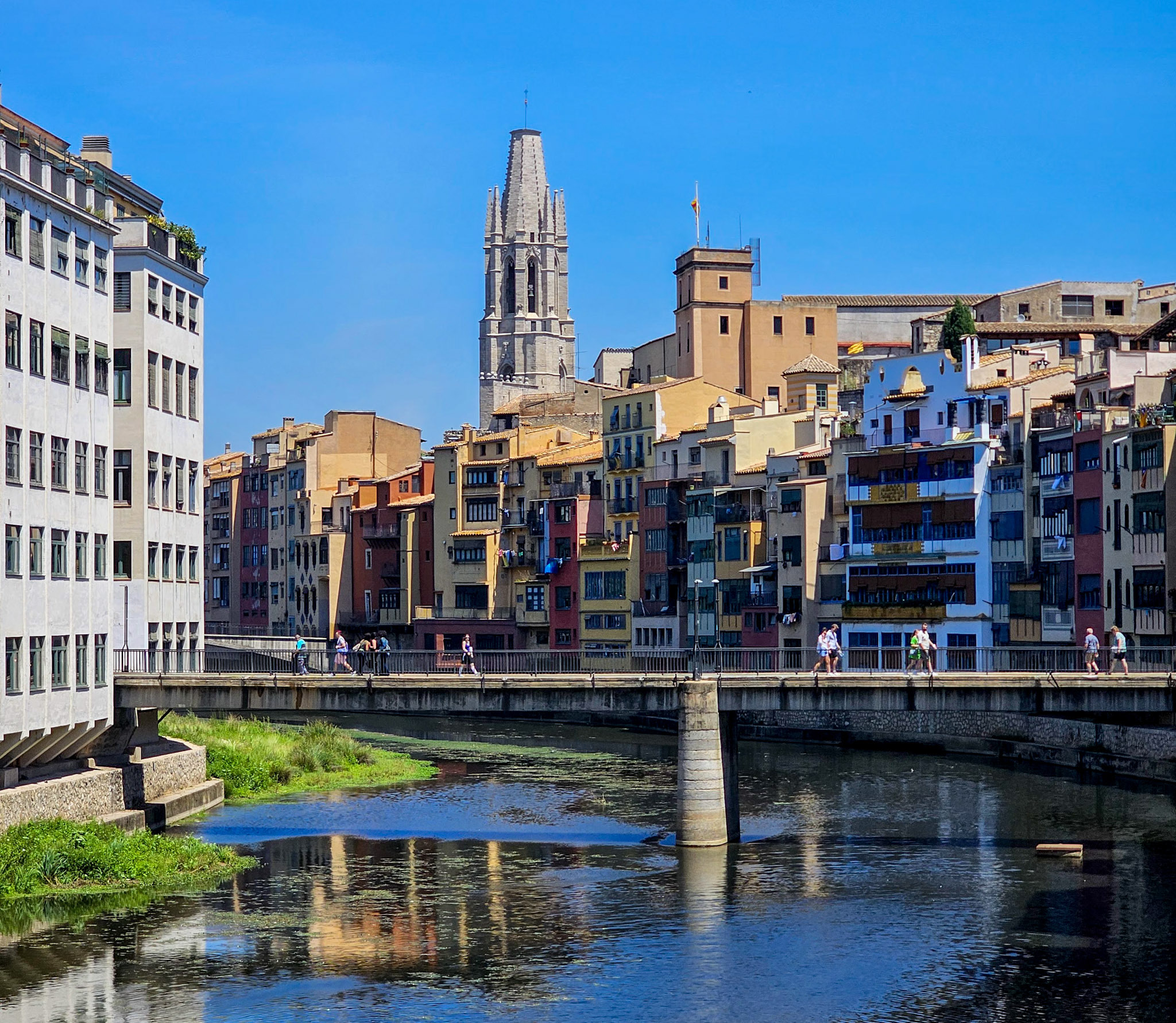
After leaving the museum we head back at a calm pace towards the old town, keeping to the bank of the river Onyar. The colourful houses are reflected in the water like on a postcard, and the closer to the centre, the more life there is. On the way we pass Casa Masó, a distinctive house fitted into a row of pastel façades, linked to the architect Rafael Masó. It is one of those details that are easy to overlook, yet they create the atmosphere of the whole place.
Because dinner is waiting at the hotel, we make only a short stop for quick tapas and something cold to drink. The classics: olives, patatas bravas, chorizo and cold sangria.
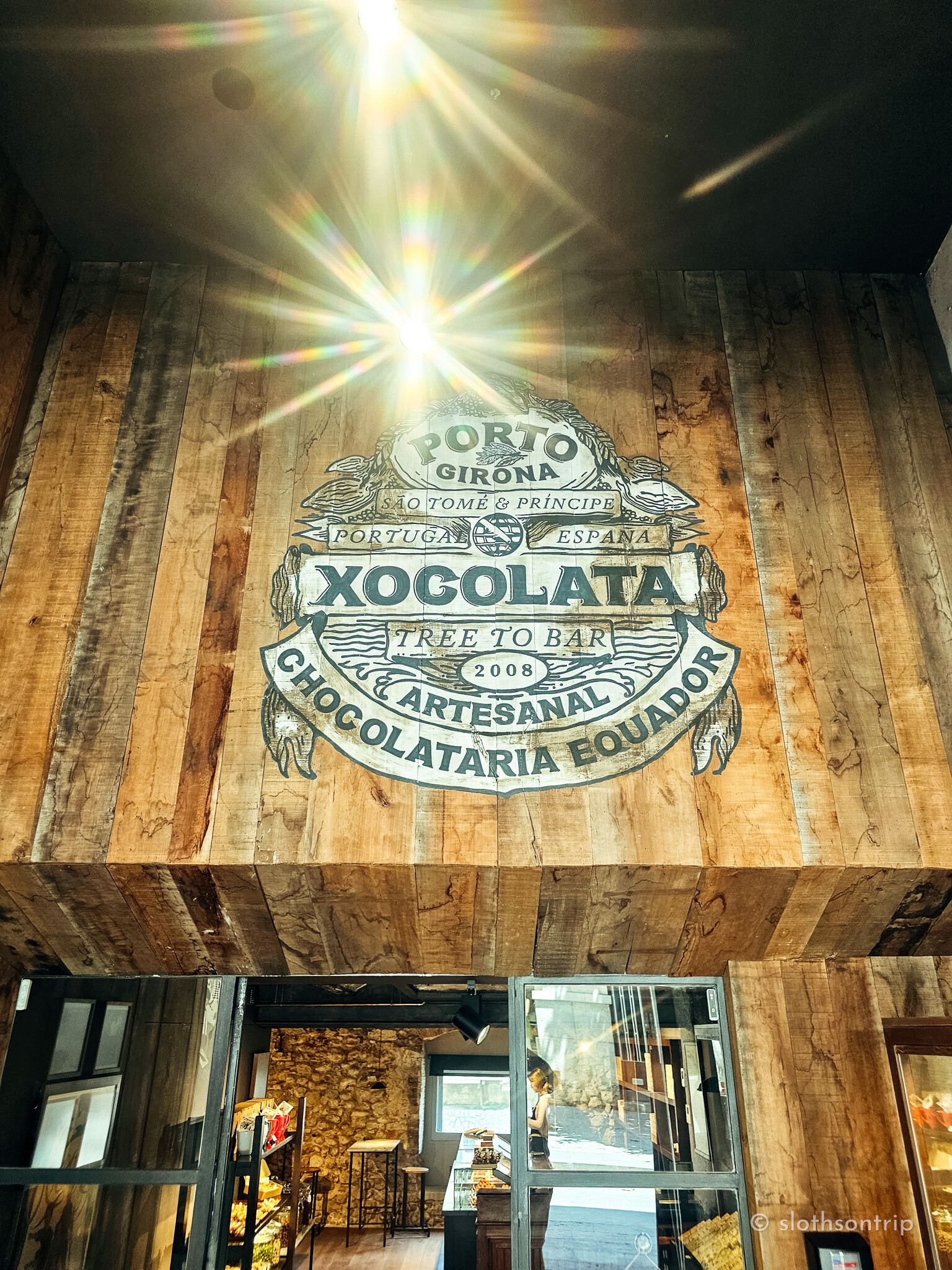
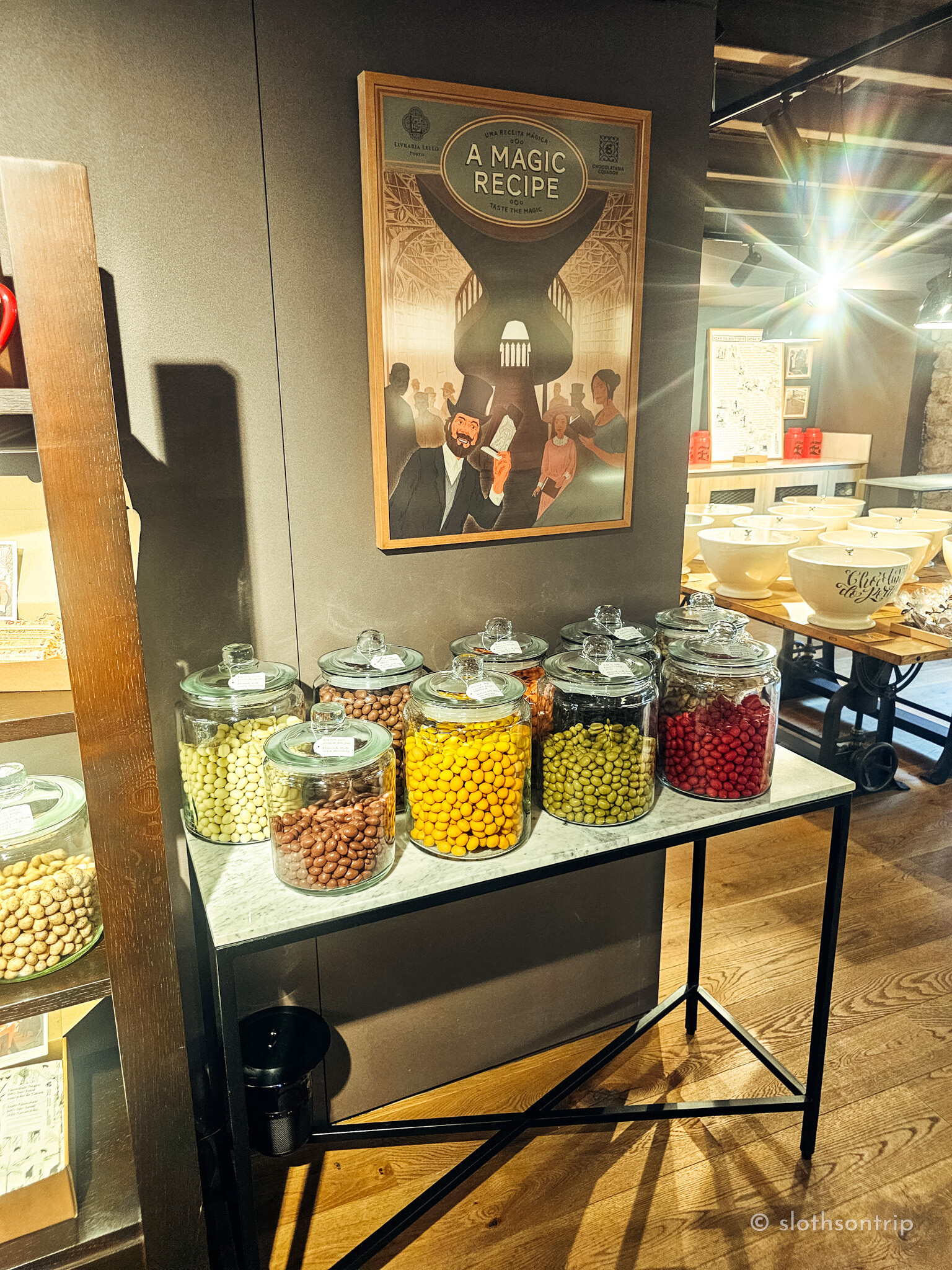
If you want a sweet souvenir from Girona, it is worth visiting Xocolateria Xocolata Girona, where everything revolves around chocolate at its best. The place works in a tree-to-bar style, so the cocoa goes all the way from bean to finished bar here, and the taste really does the job. Inside you will find dozens of variants, from classic chocolates through colourful dragées to more inventive sweets that easily make a gift. The vibe is a little retro, a little artisanal, with a touch of travel between South America and Catalonia. It is an ideal stop if you want to take home something more than just photos.
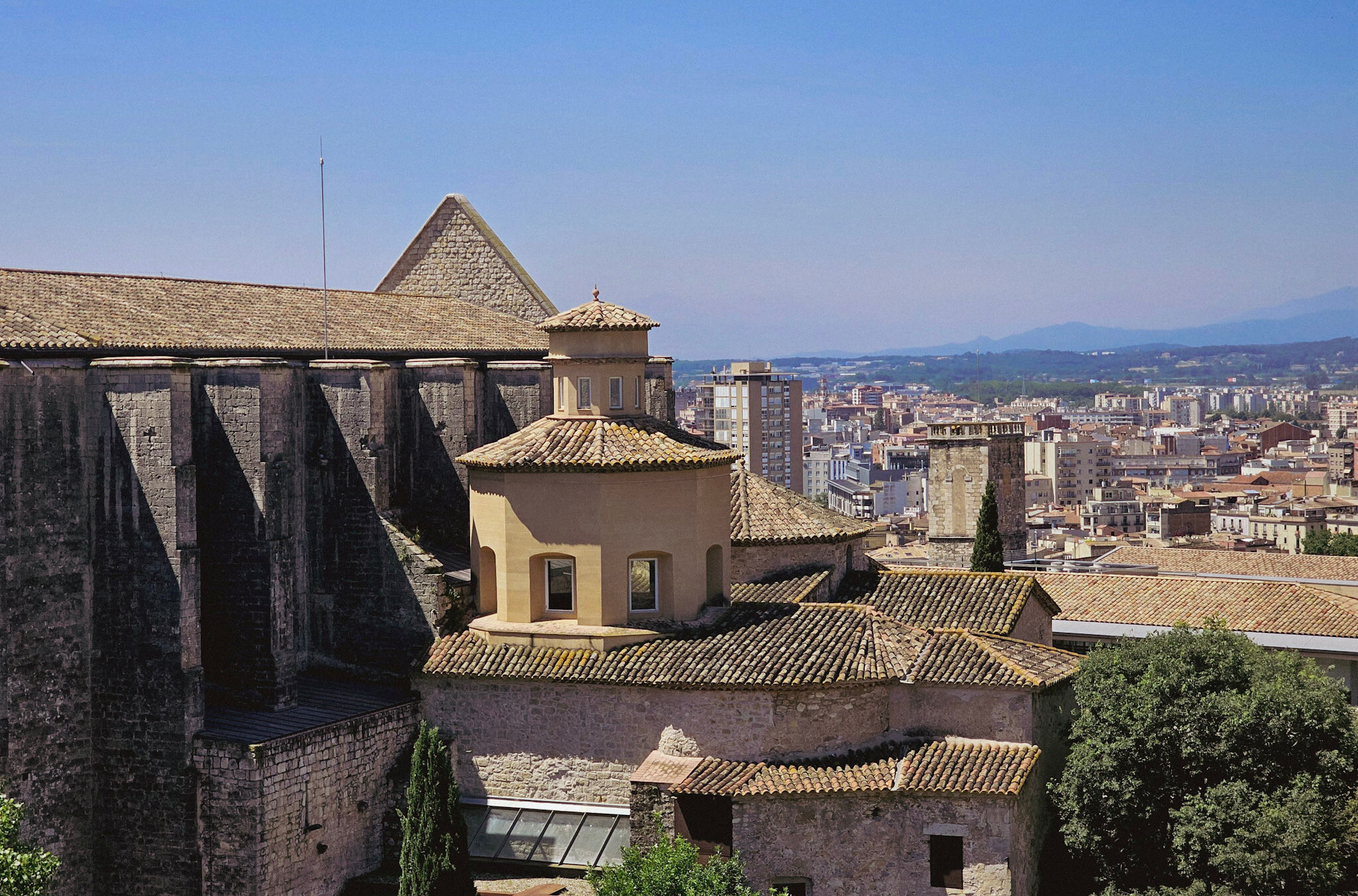
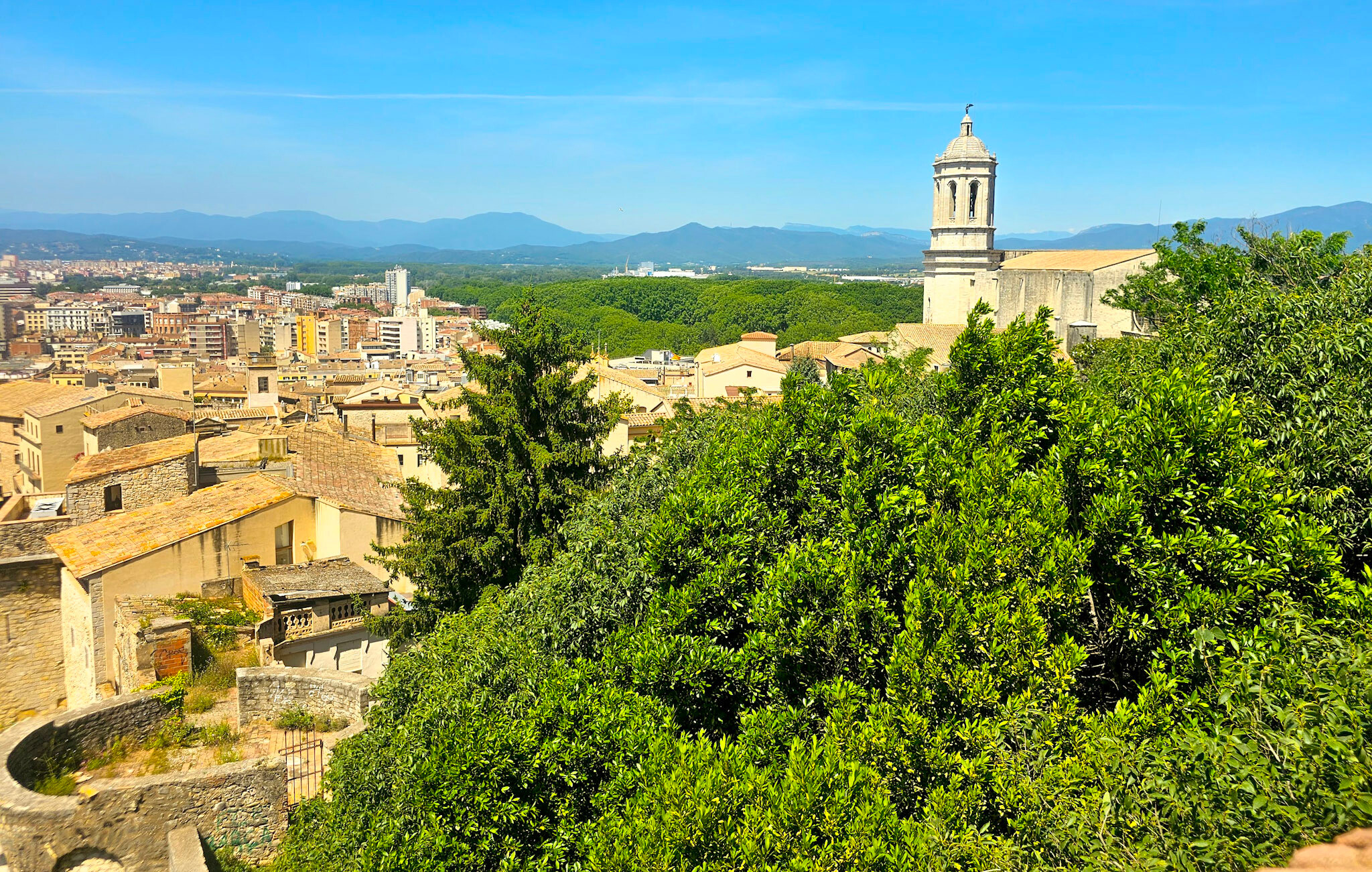
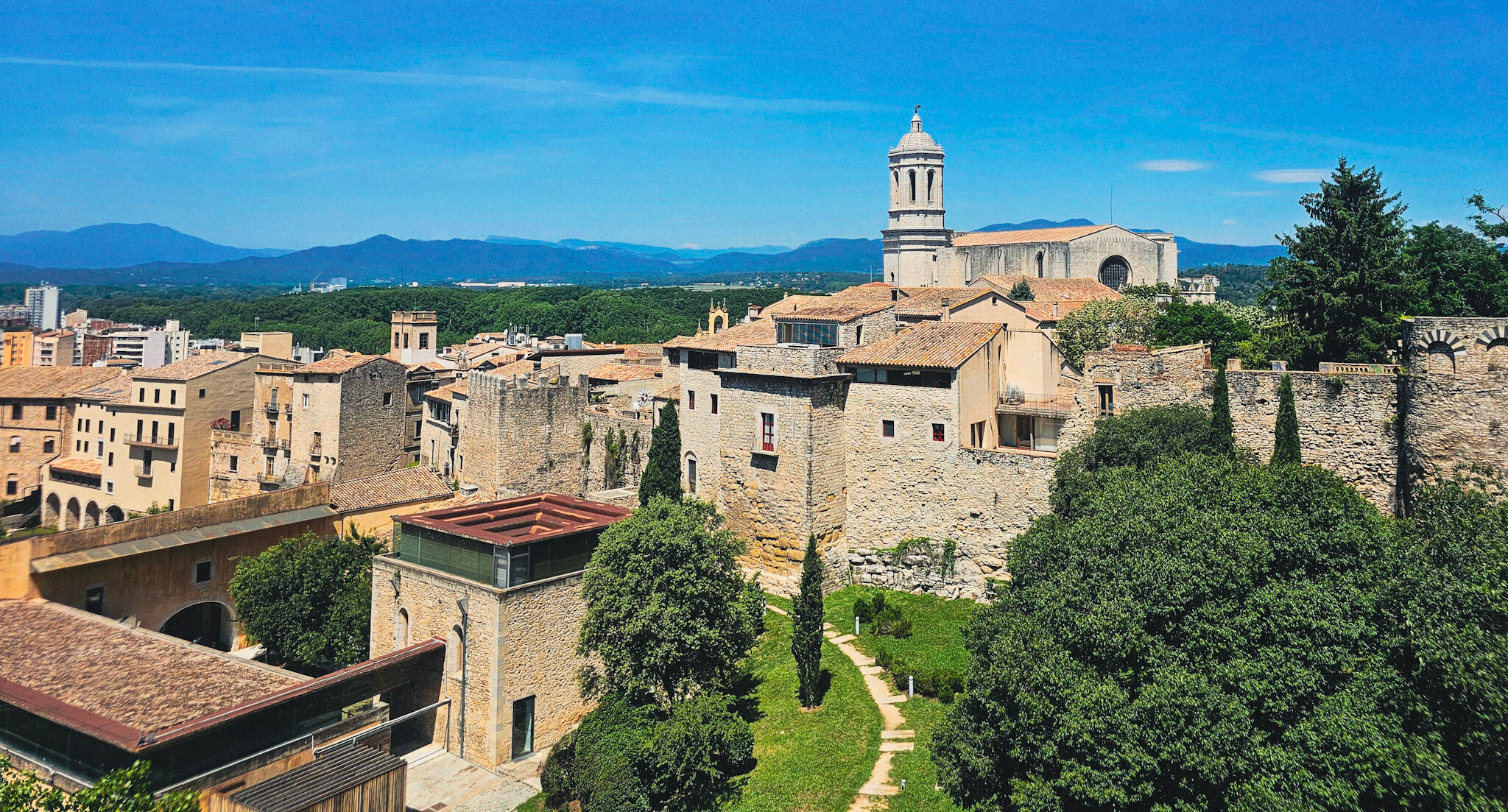
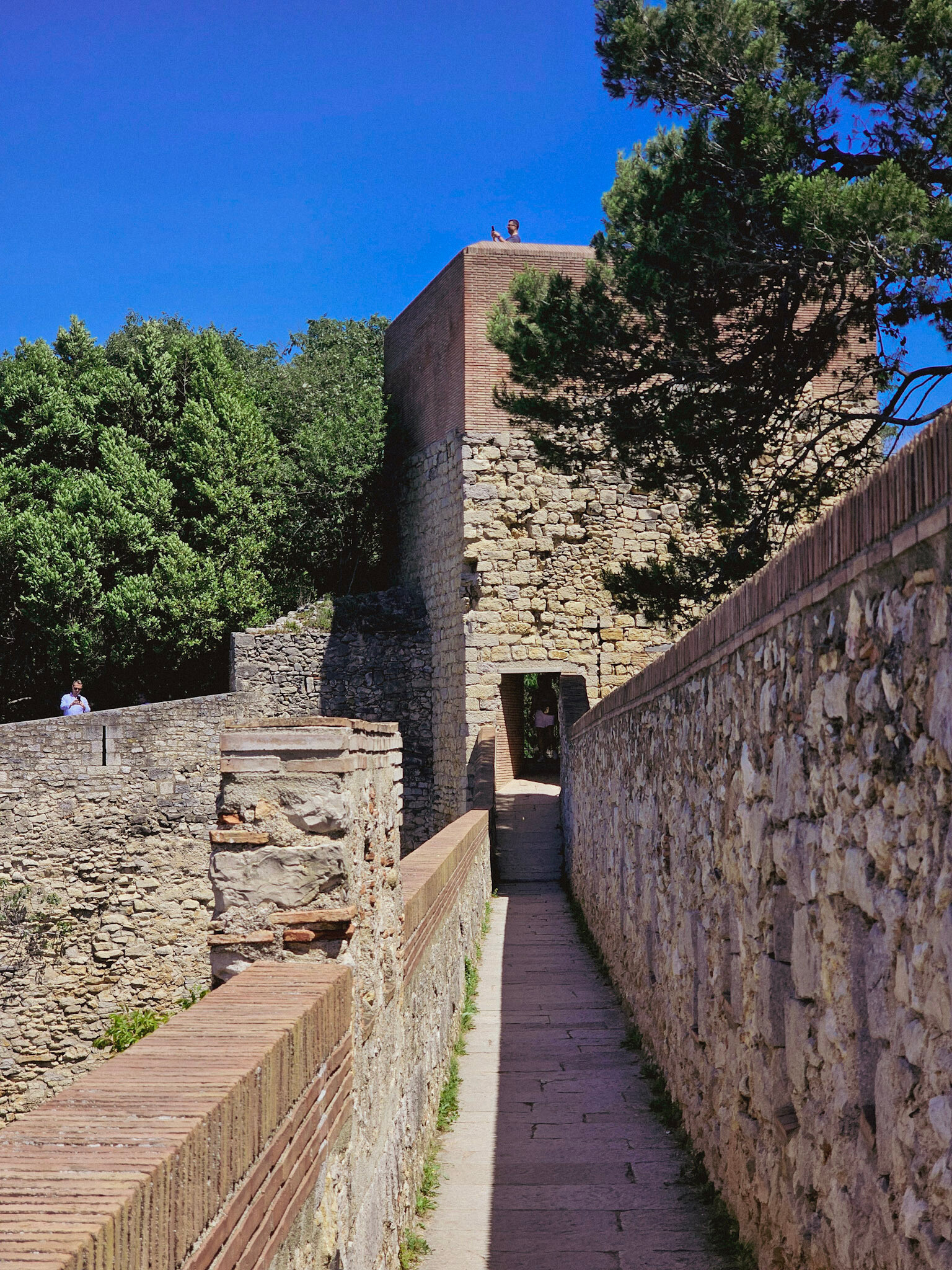
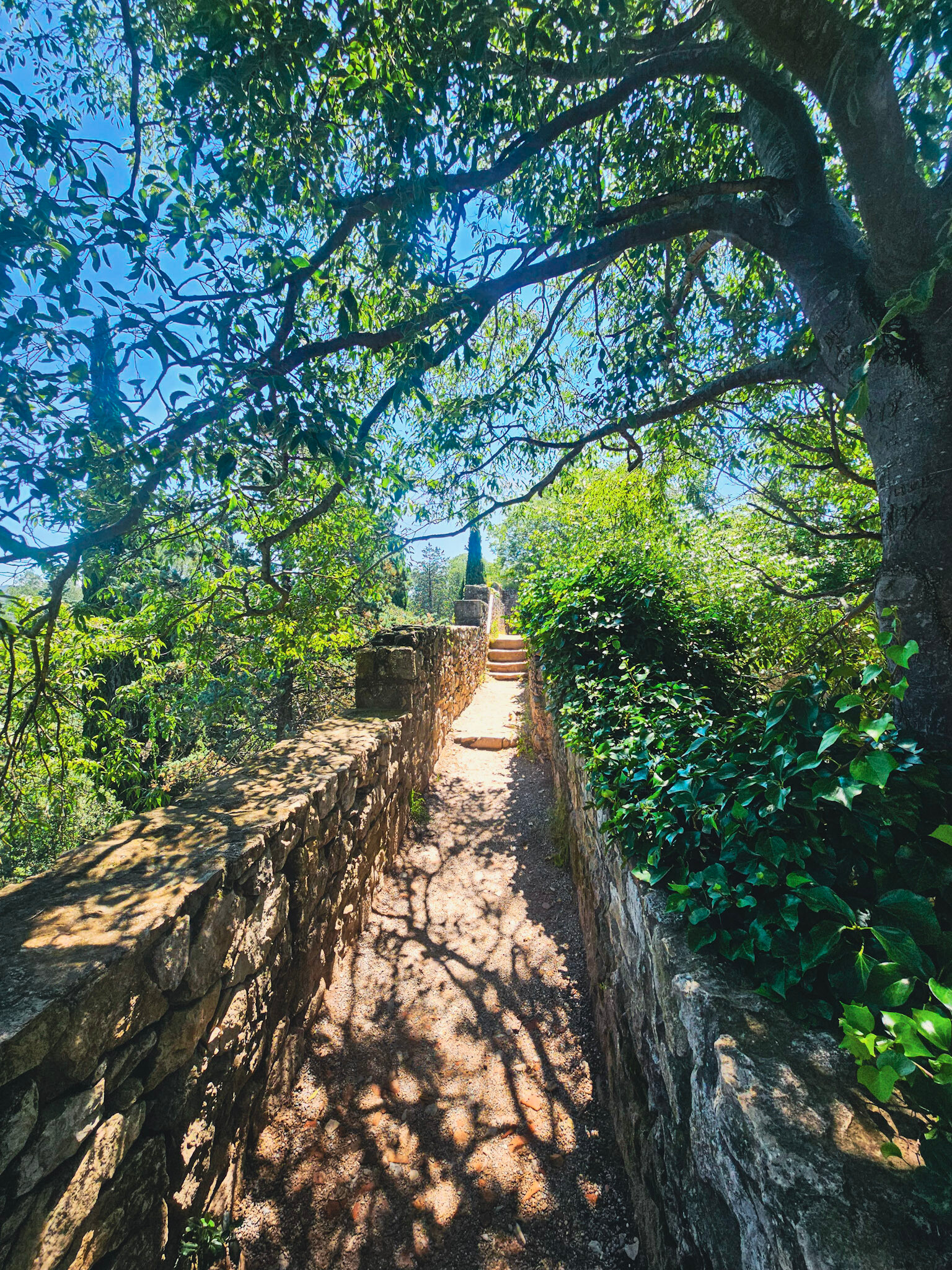
After leaving the cathedral we naturally head for the city walls, one of the coolest walks in Girona. A narrow path runs along the stone fortifications, with views of the old town and the surroundings opening up every now and then. It is an easy route, more for soaking up the atmosphere than for effort, with a few viewpoints along the way.
From time to time there are towers and defensive turrets you can climb; they once served for observation and defence of the city, and today they are the best viewpoints. From above you can see not only the rooftops of Girona, but also green hills and fragments of the old walls stretching around the old town.
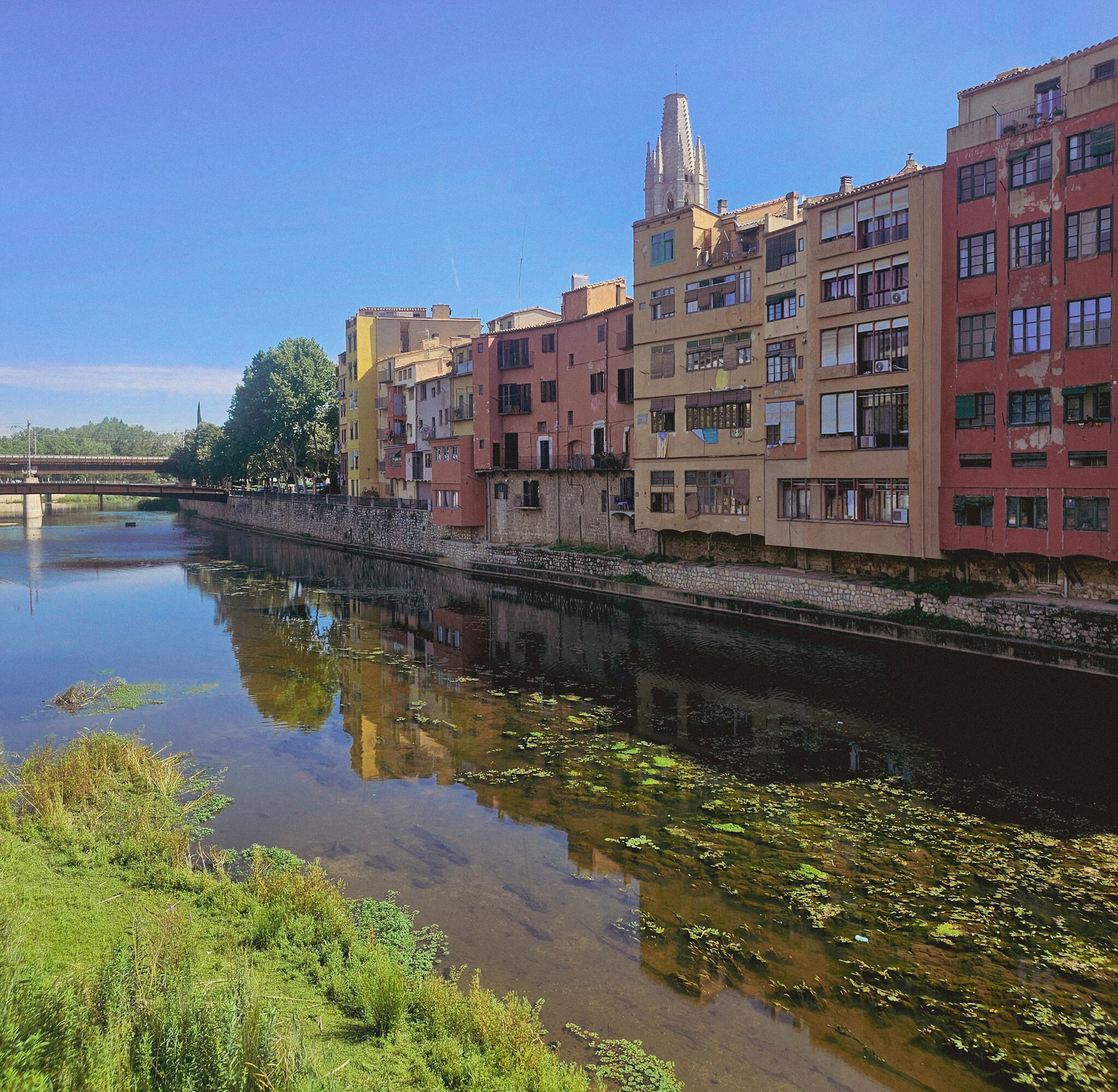
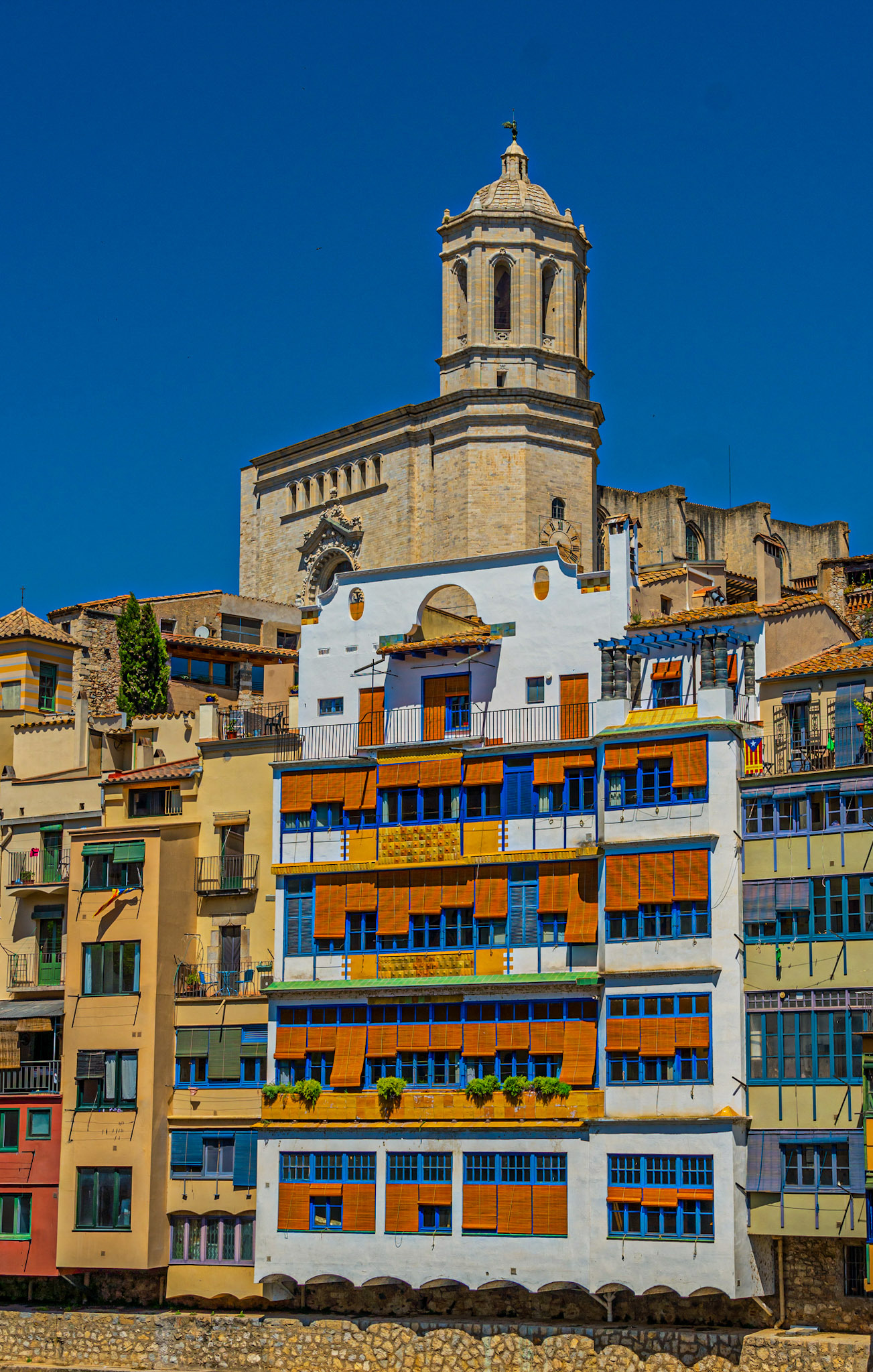
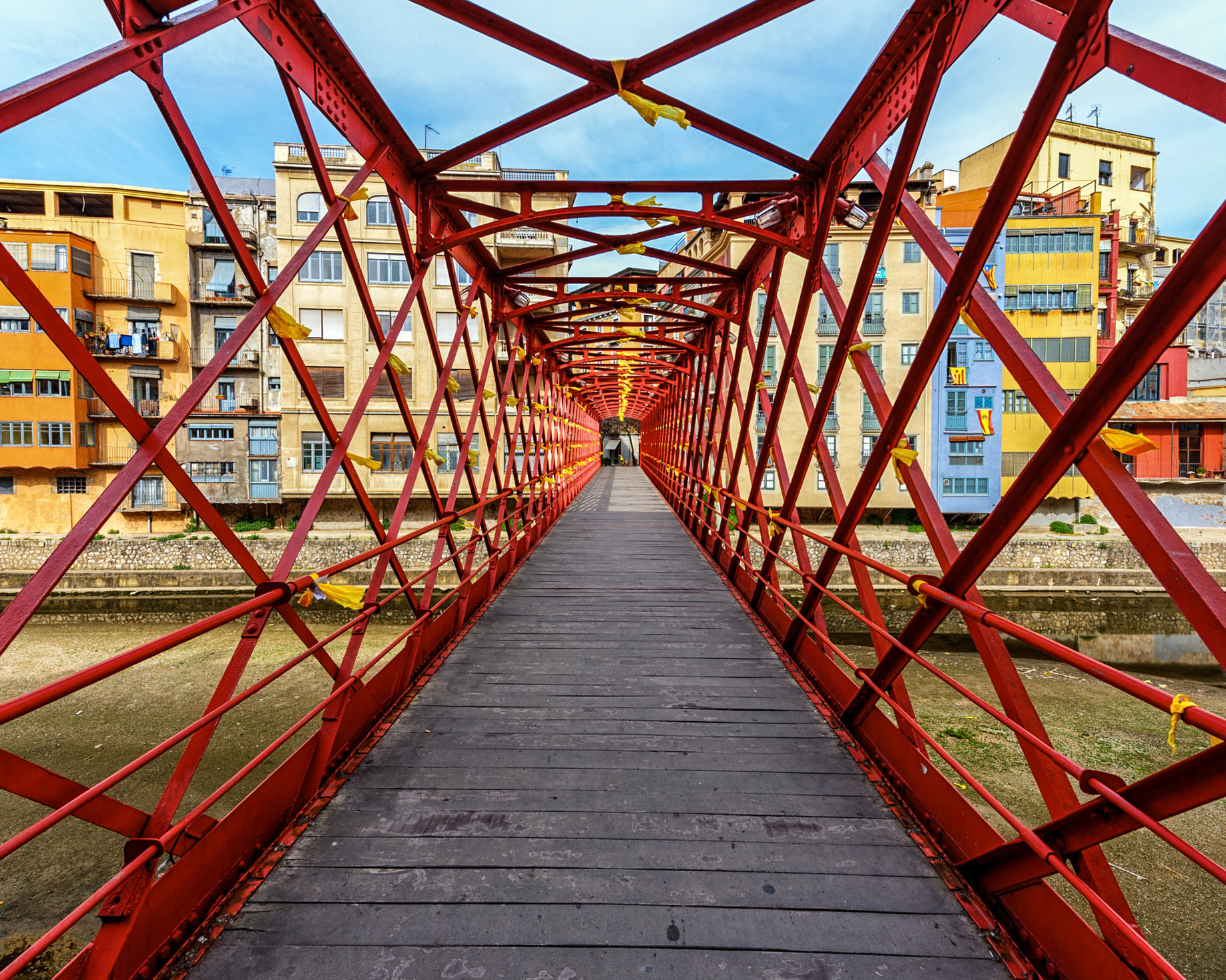
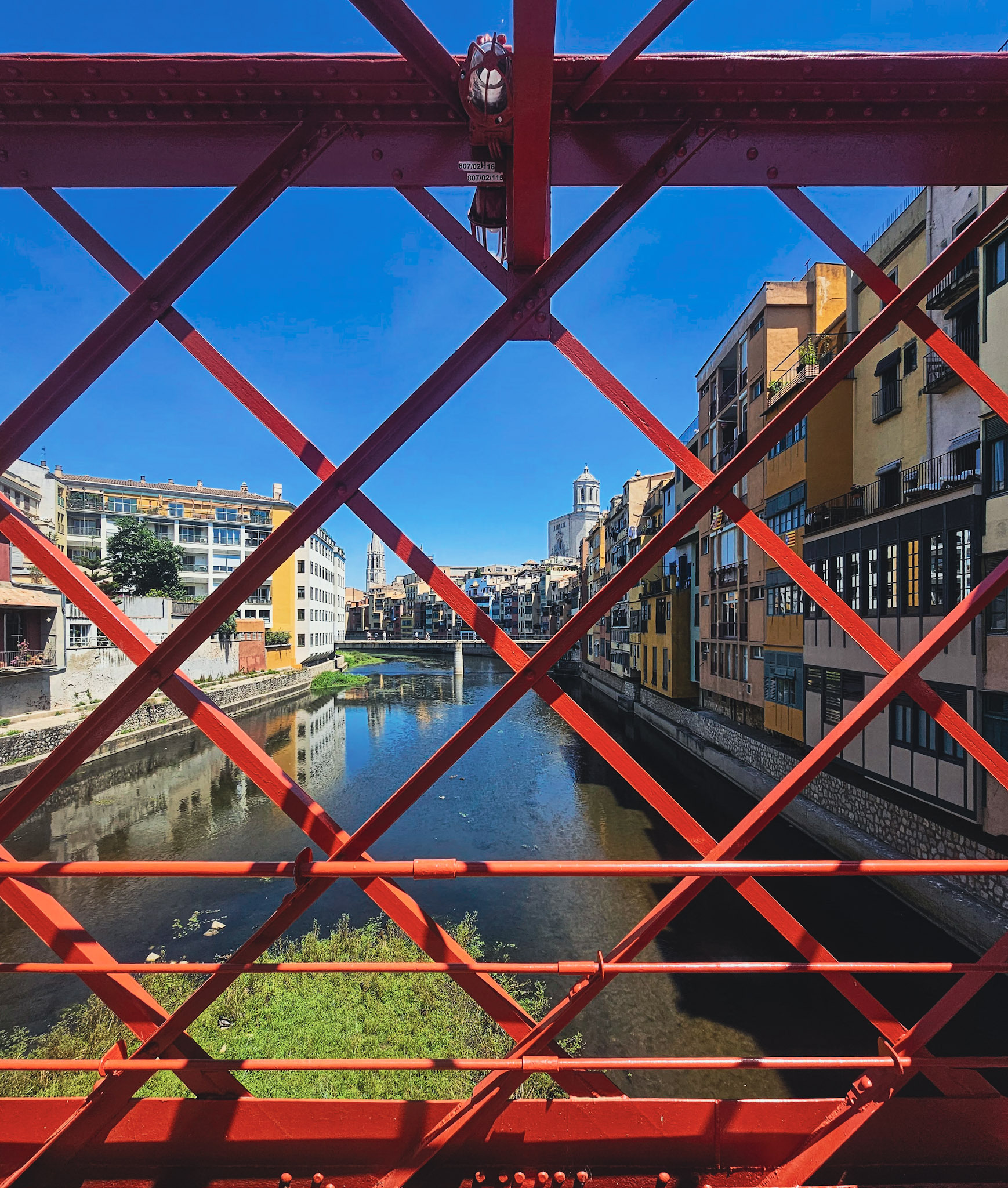
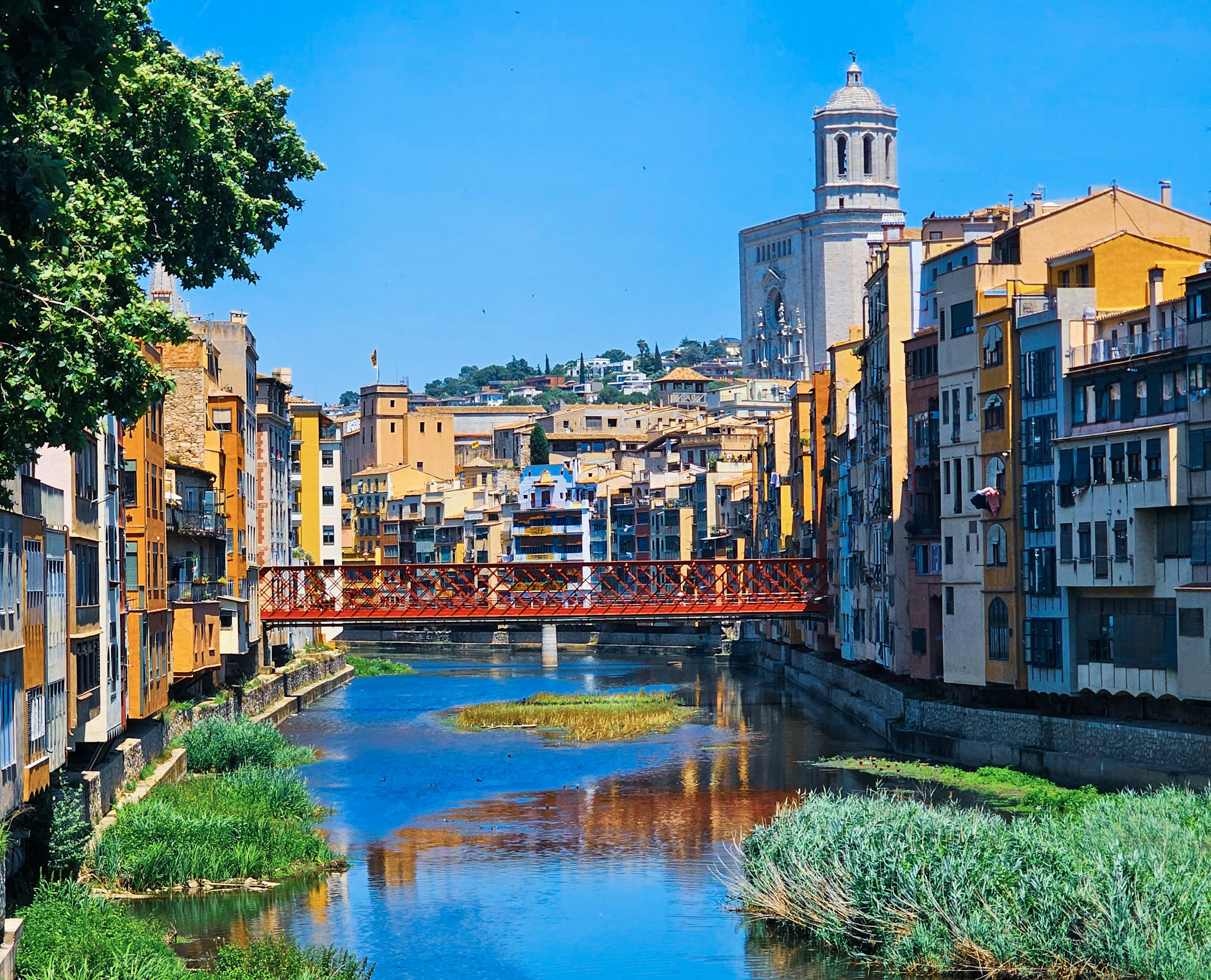
And suddenly, after all this medieval atmosphere, we step straight into something completely different: a red bridge that looks as if it came out of another era. Pont de les Peixateries Velles, the famous Eiffel Bridge, is an iron structure designed even before the tower in Paris by Gustave Eiffel's firm. The red steel lattice forms a characteristic tunnel; after crossing the bridge it is worth stopping for a moment and simply looking at the reflections of the colourful houses in the water, at the details of the façades and at the cathedral tower rising above the roofs.
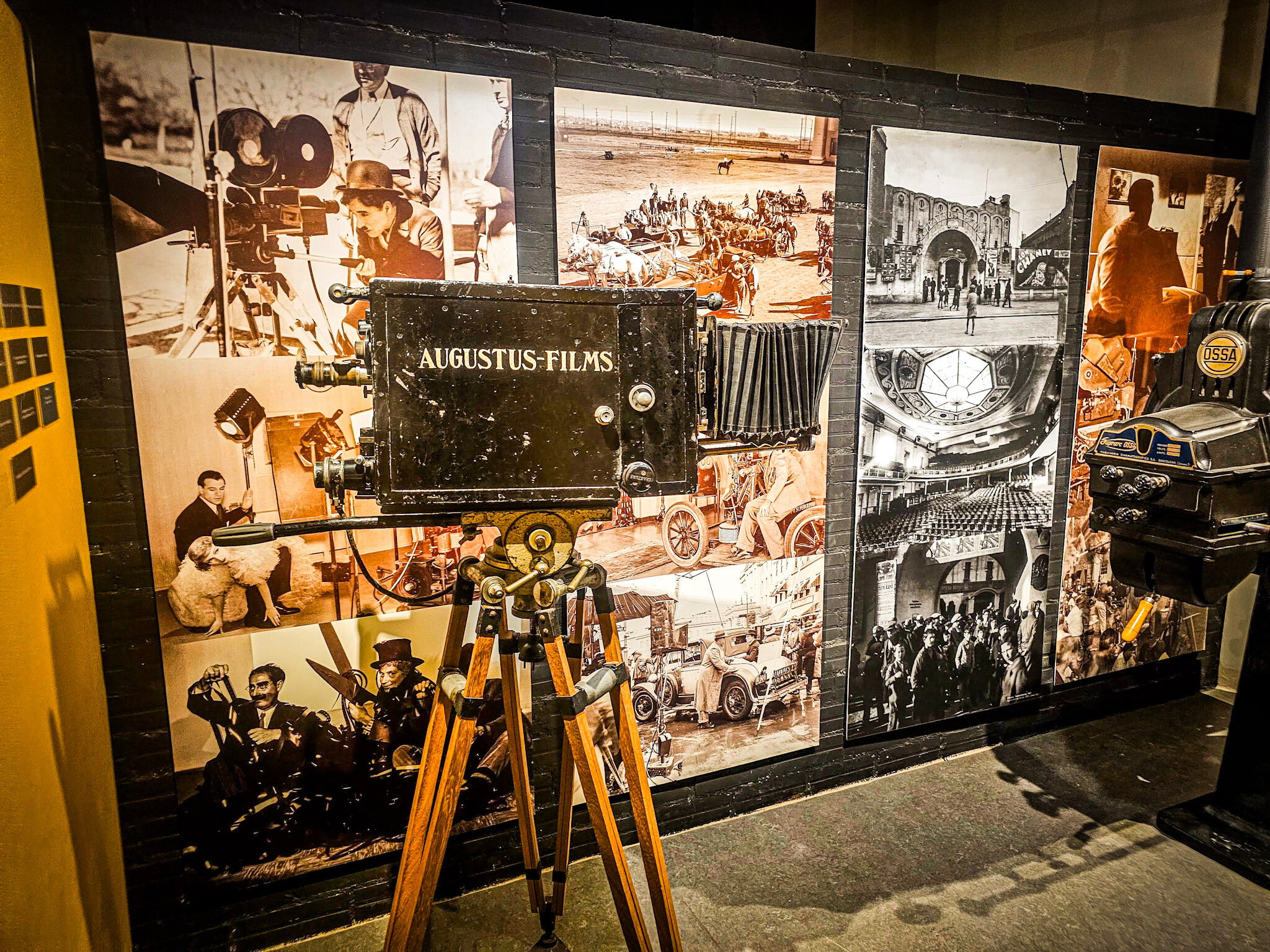
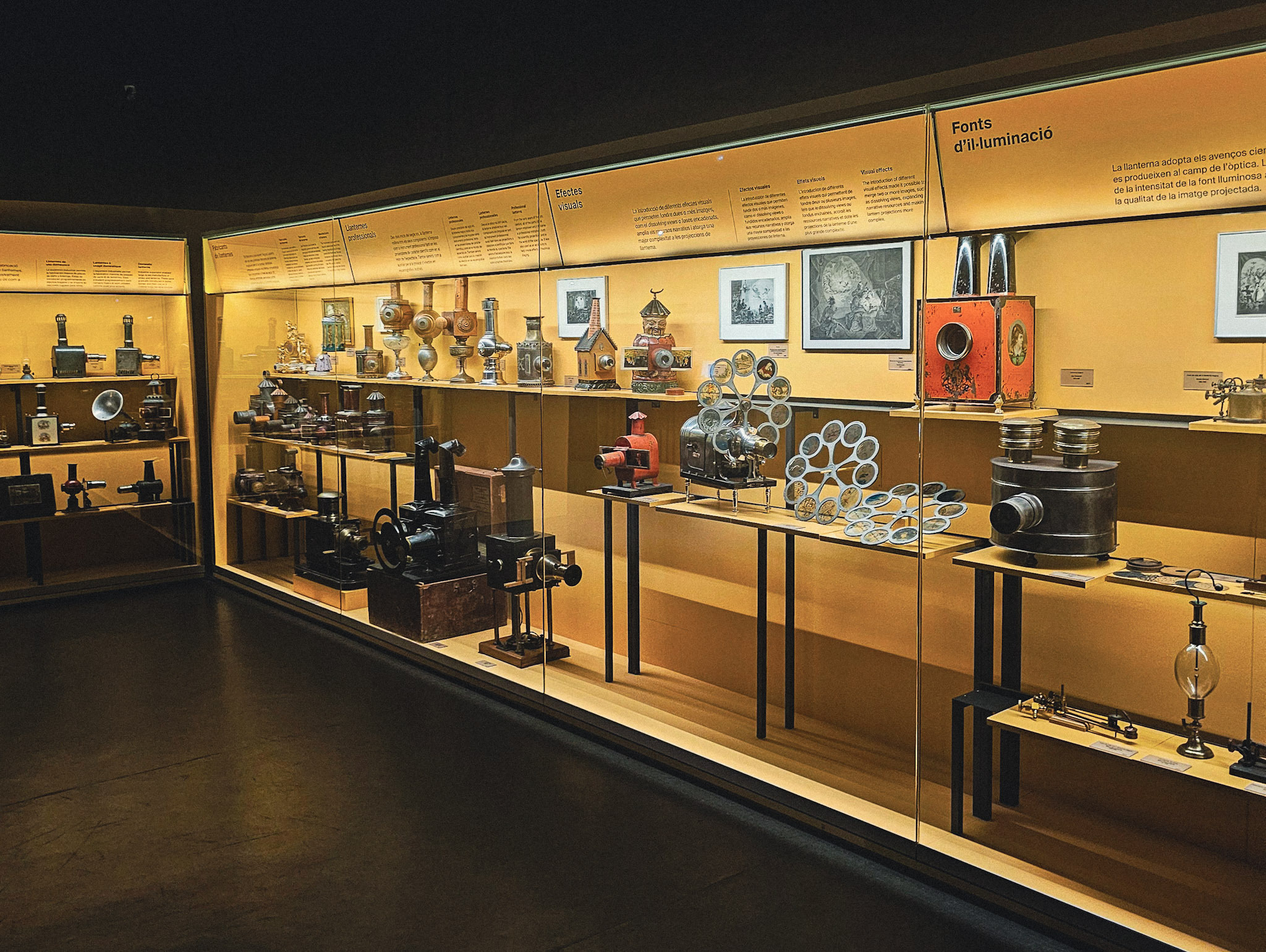
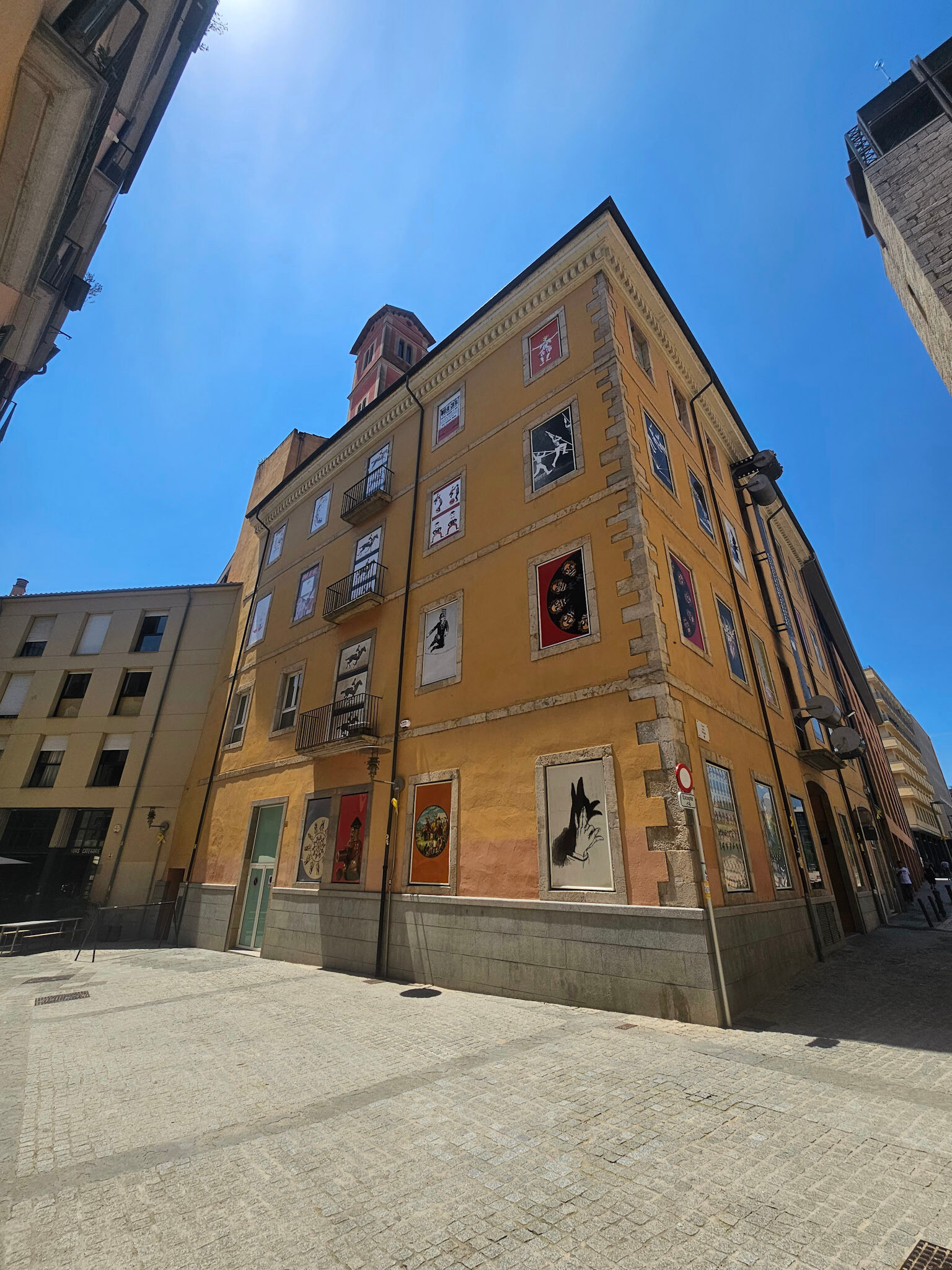
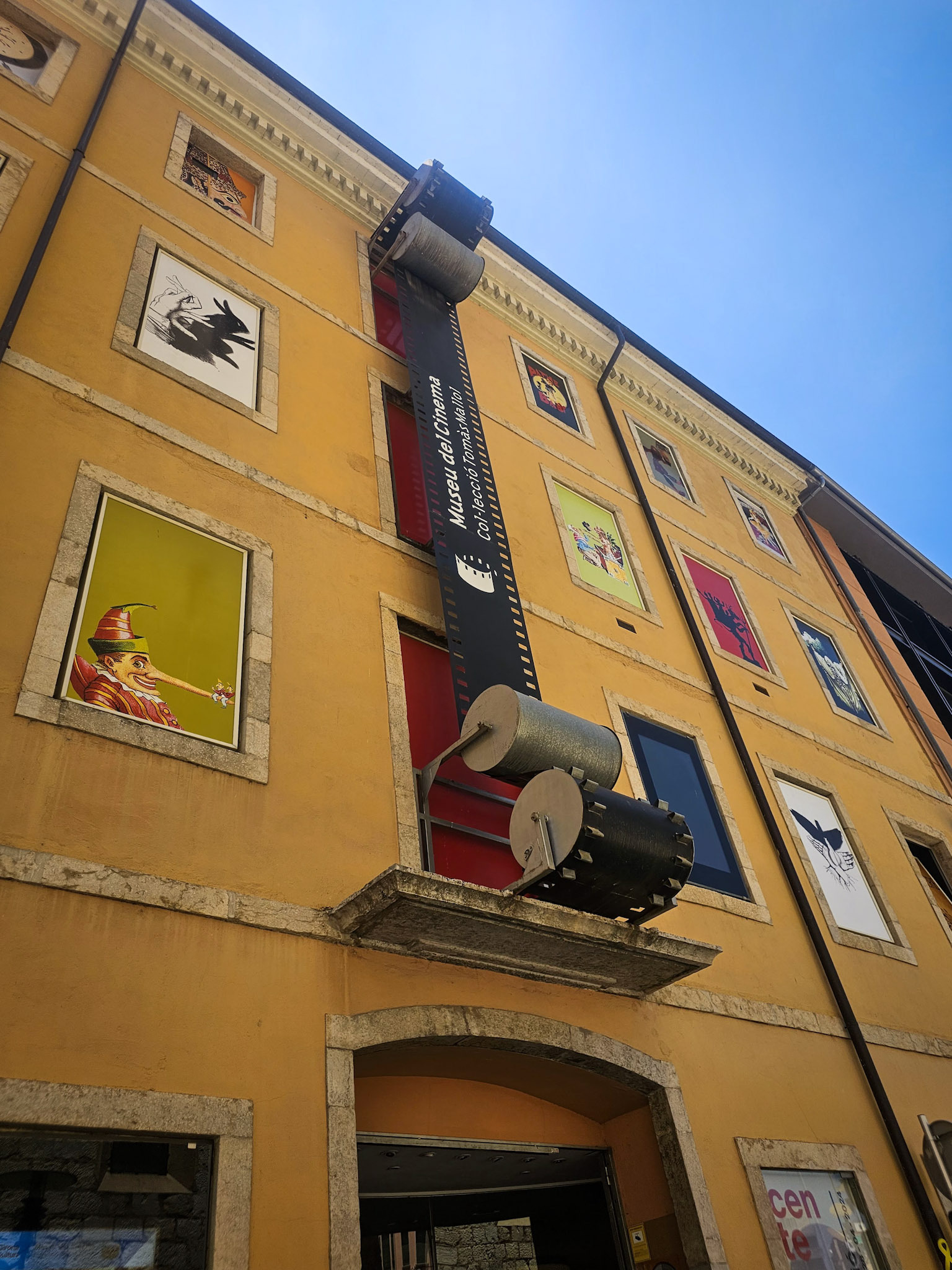
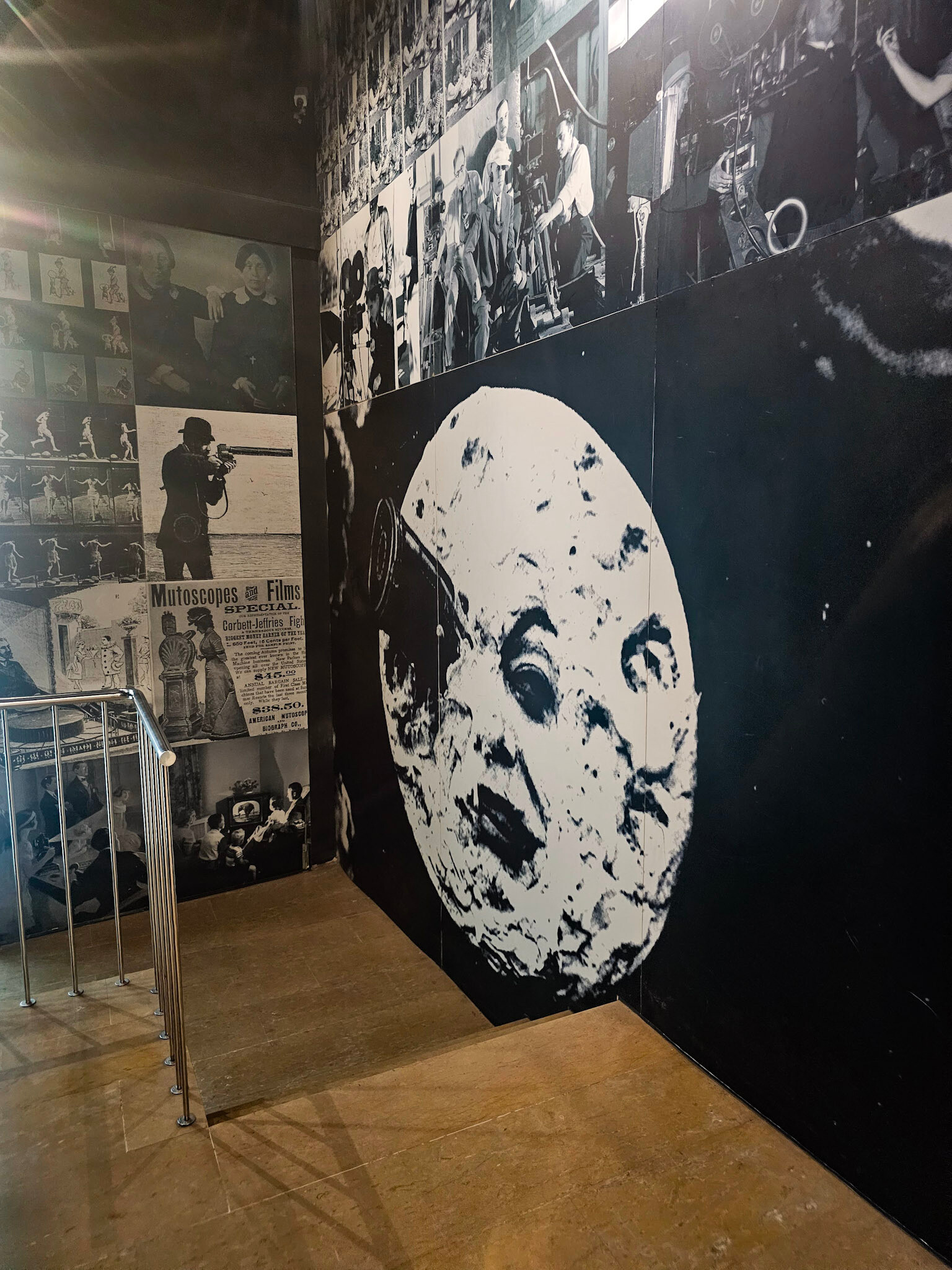
On the other side of the river, in the more local part of the city, it is worth visiting the Cinema Museum Girona. It is one of the more interesting and underrated places in Girona, showing the history of cinema from the very beginnings, even before the film as we know it today existed. Ticket €7.
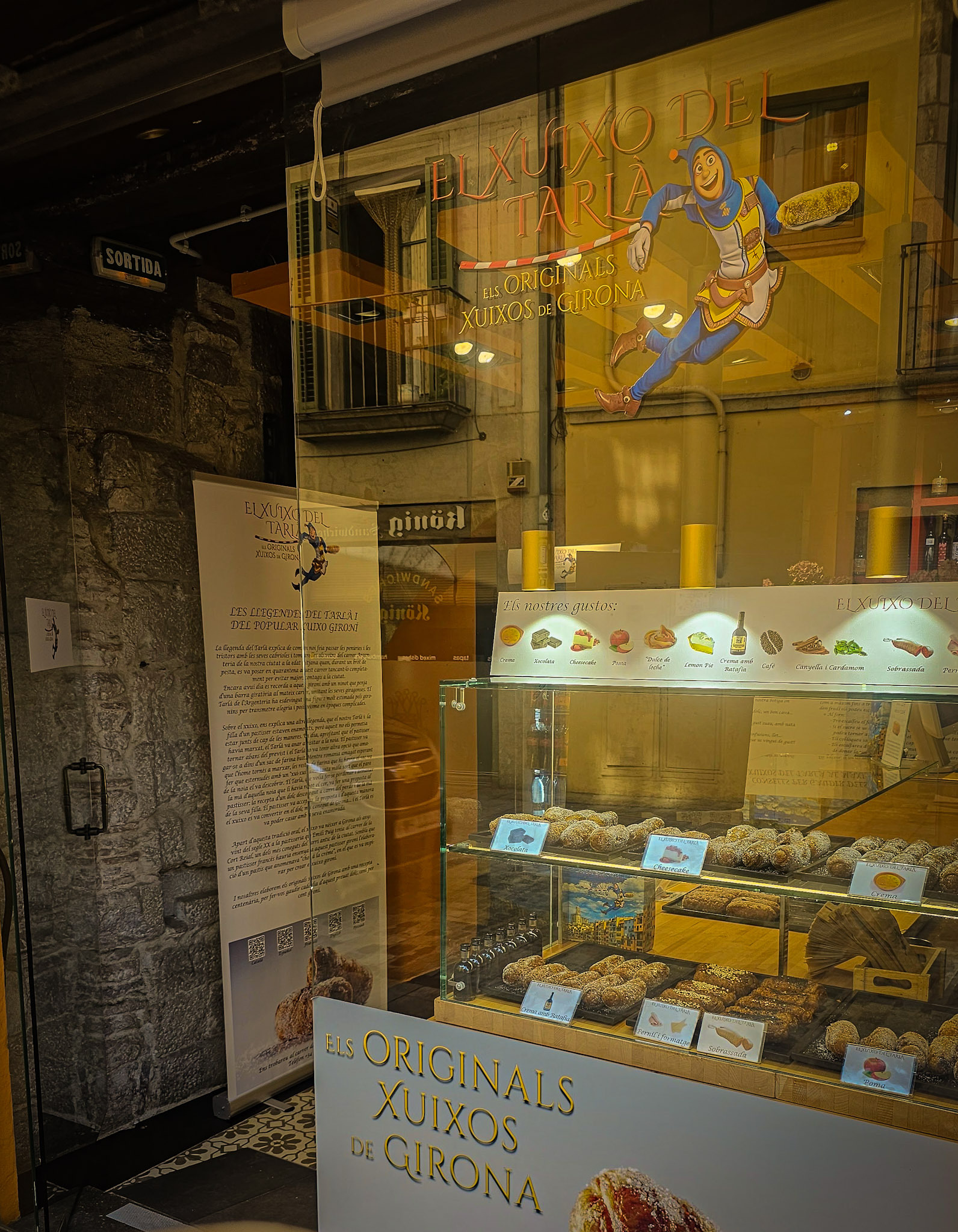
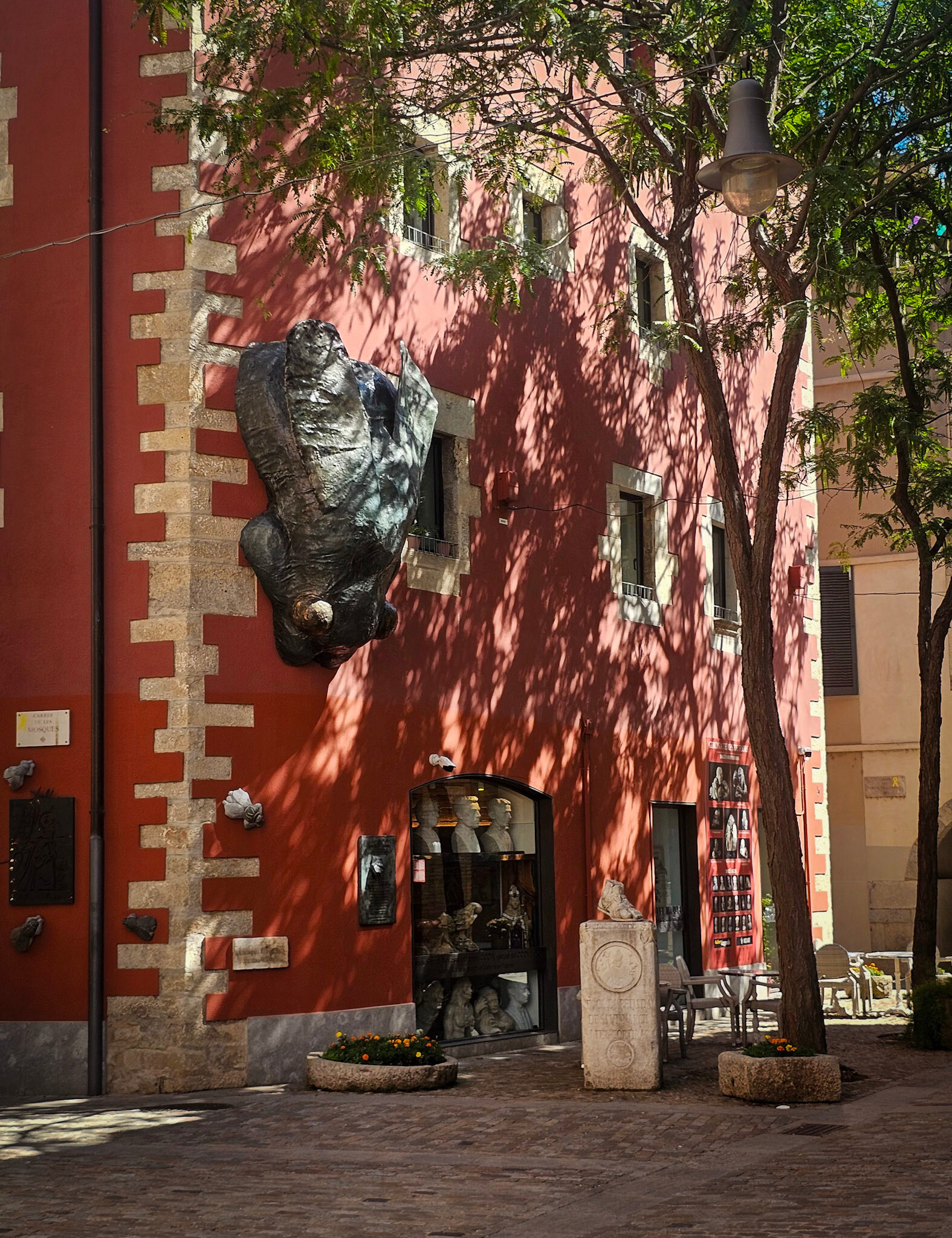
The pastry shop's logo features El Tarlà, a figure from a local legend, according to which an acrobat secretly visited the pastry maker's daughter and, when caught, gave away the recipe for xuixo to avoid punishment.
The second, better-known version says that during a plague epidemic Tarlà entertained residents locked in on Carrer Argenteria by performing acrobatics on a pole; today his puppet appears above the street every year, recalling this story and local tradition. The El Tarlà puppet appears every year in May during the spring festival on Carrer Argenteria, most often around Sant Jordi (23 April) and the local "street festivals" (festes de primavera).
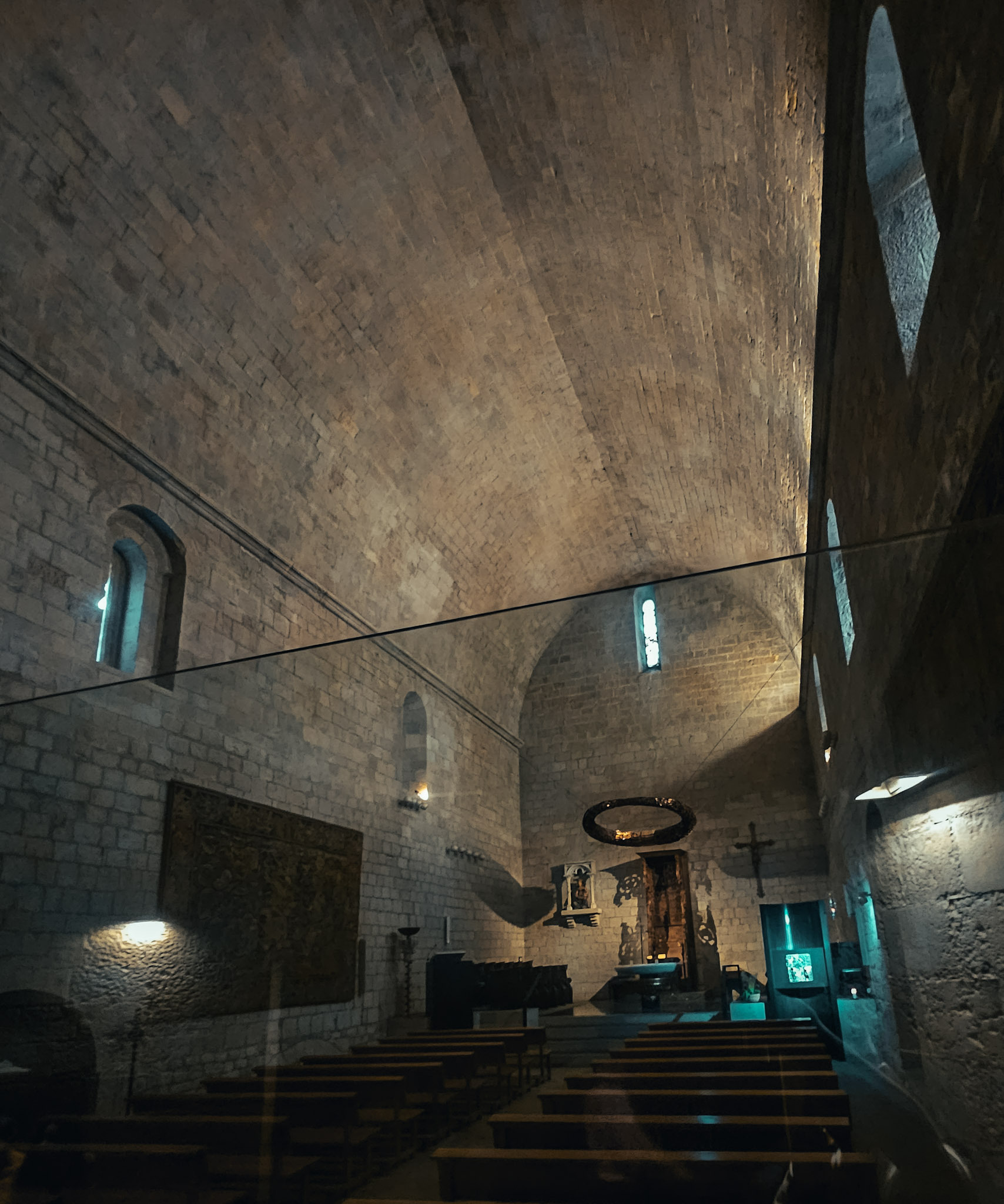
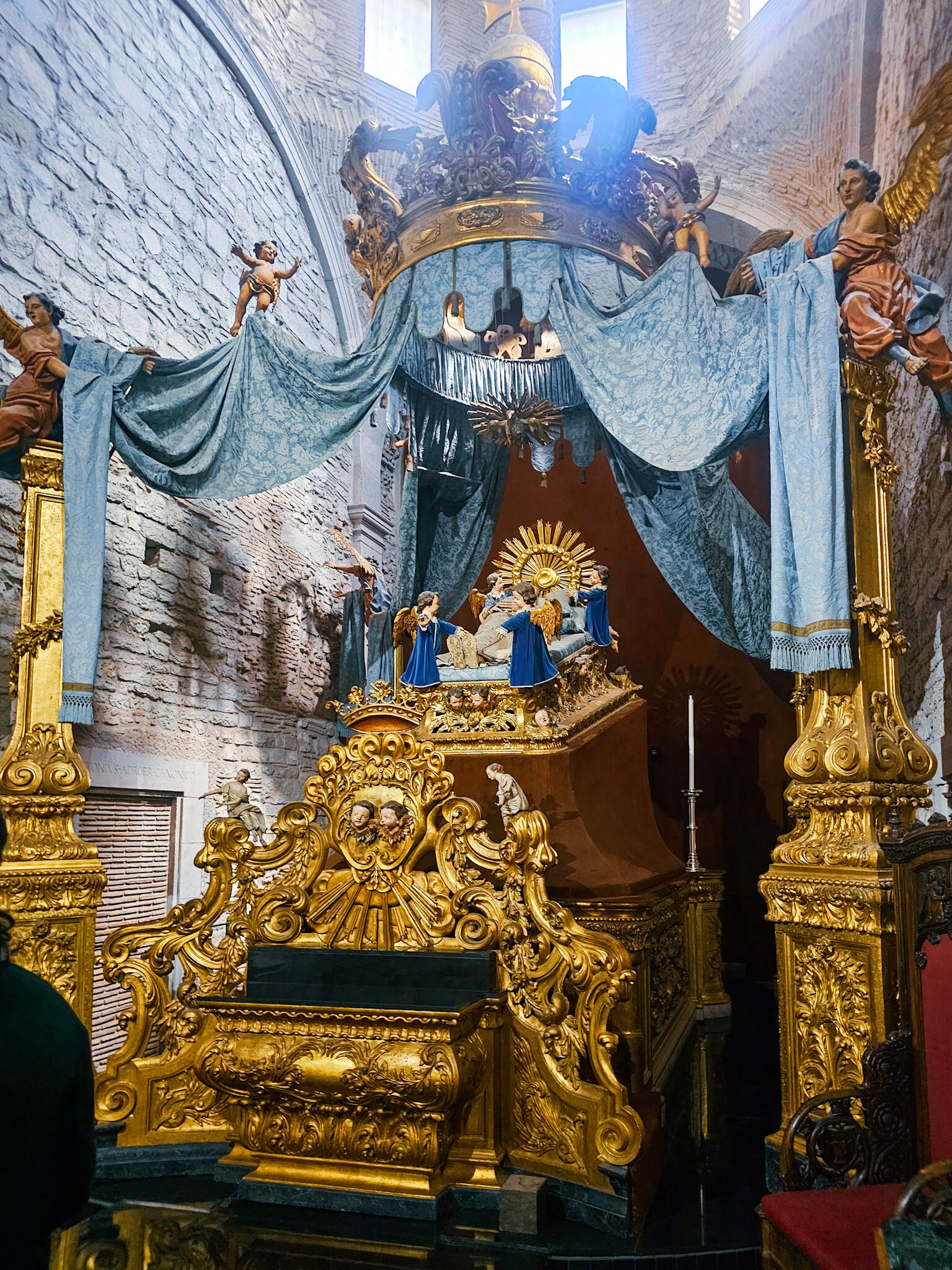
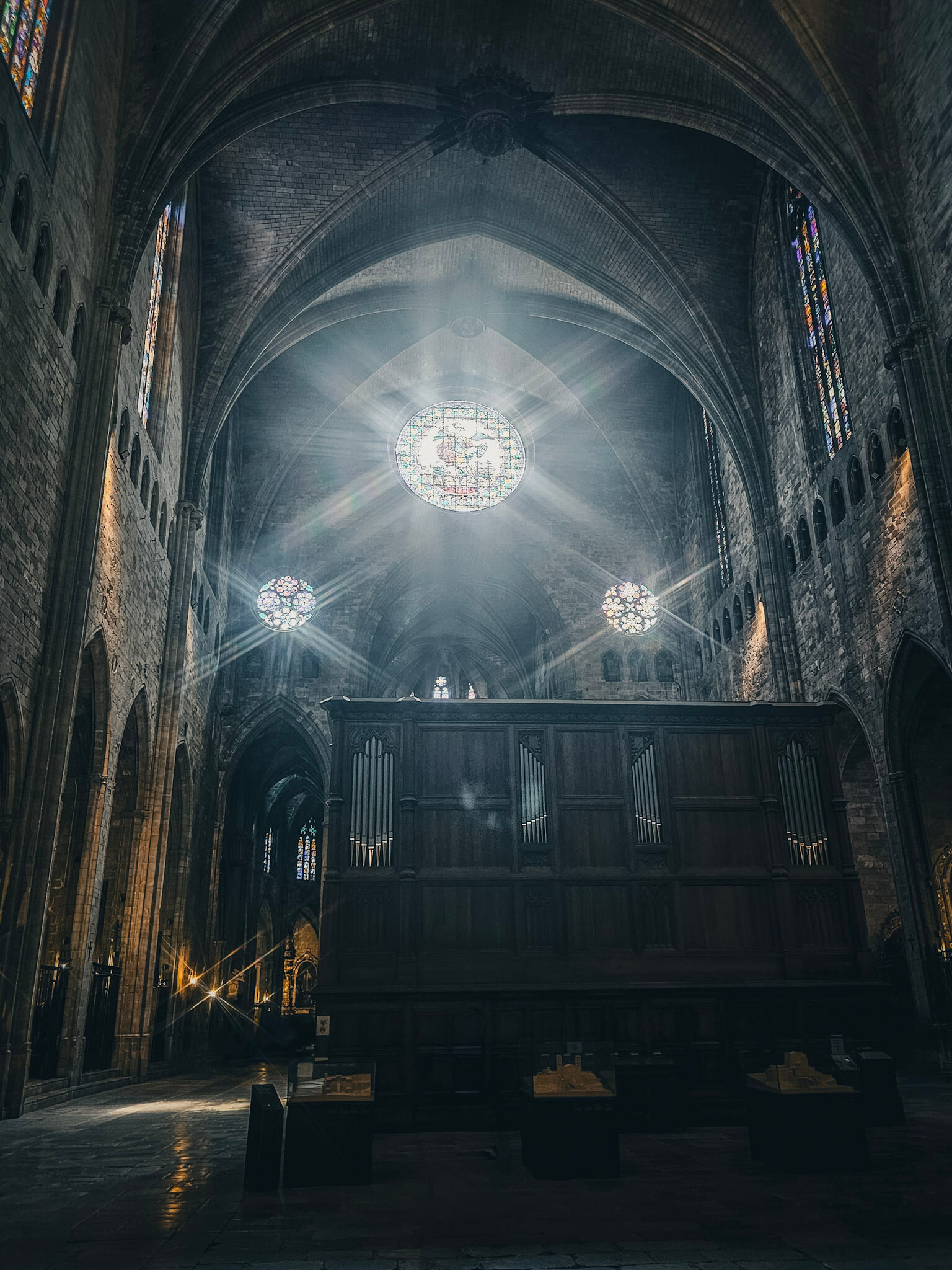
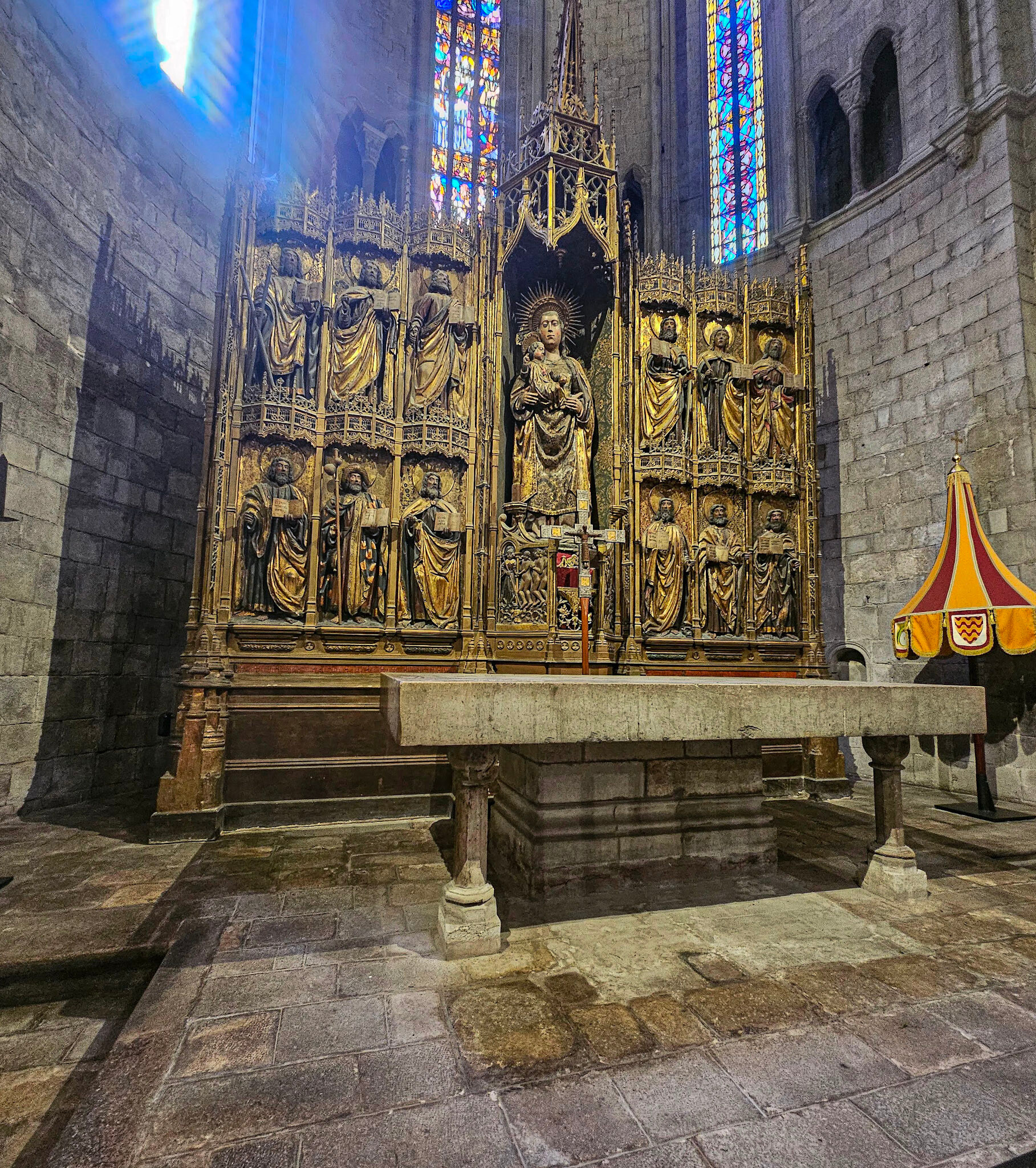
Inside the basilica it is less monumental, more stark and atmospheric. Stone walls, vaults and soft light create a calm, slightly dim space that naturally quietens you. The main nave leads in a straight line to the altar, where gold, detail and a completely different, more Baroque character suddenly appear. This contrast makes the biggest impression: from the silence of stone to a wealth of form in just a few steps.
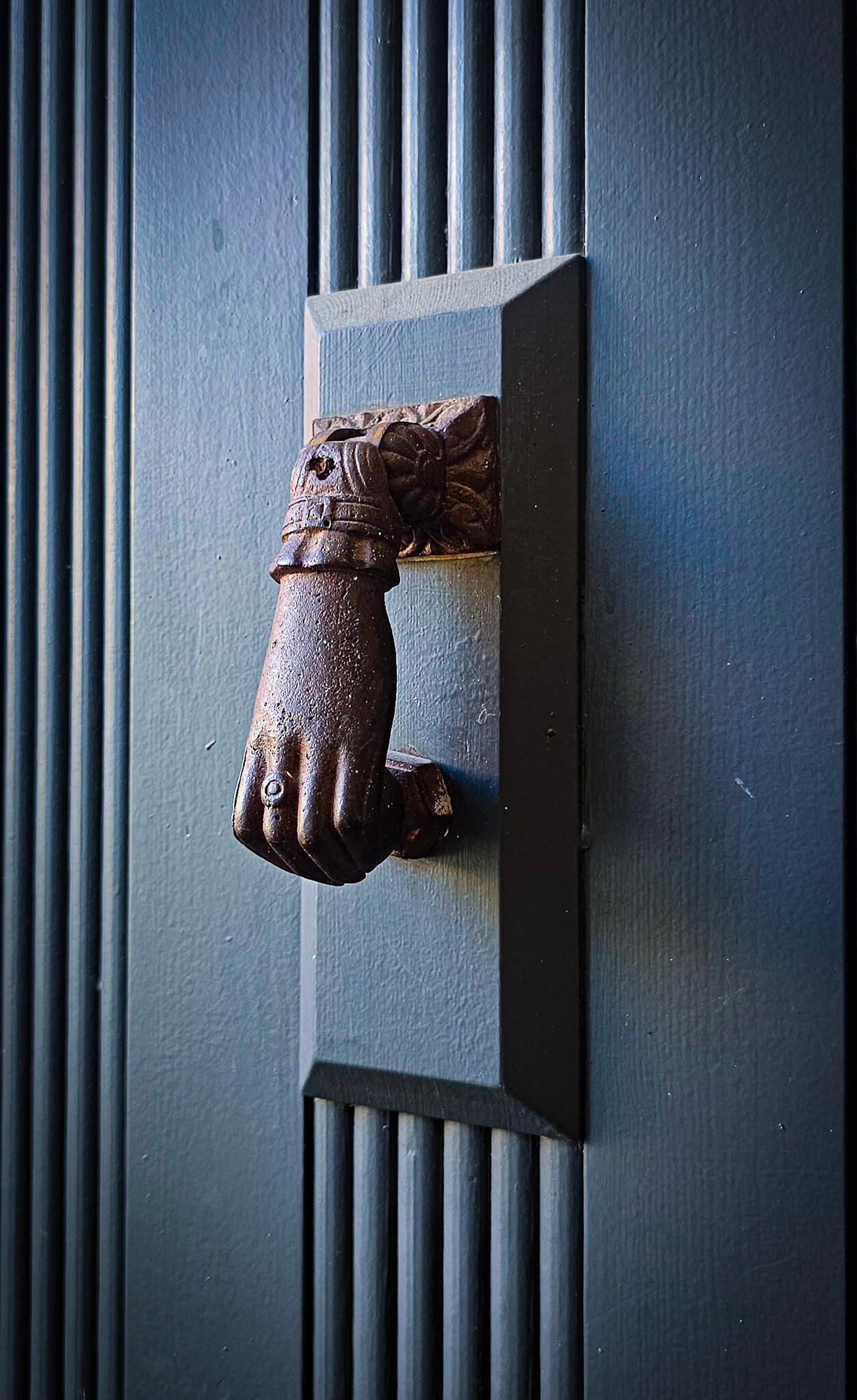
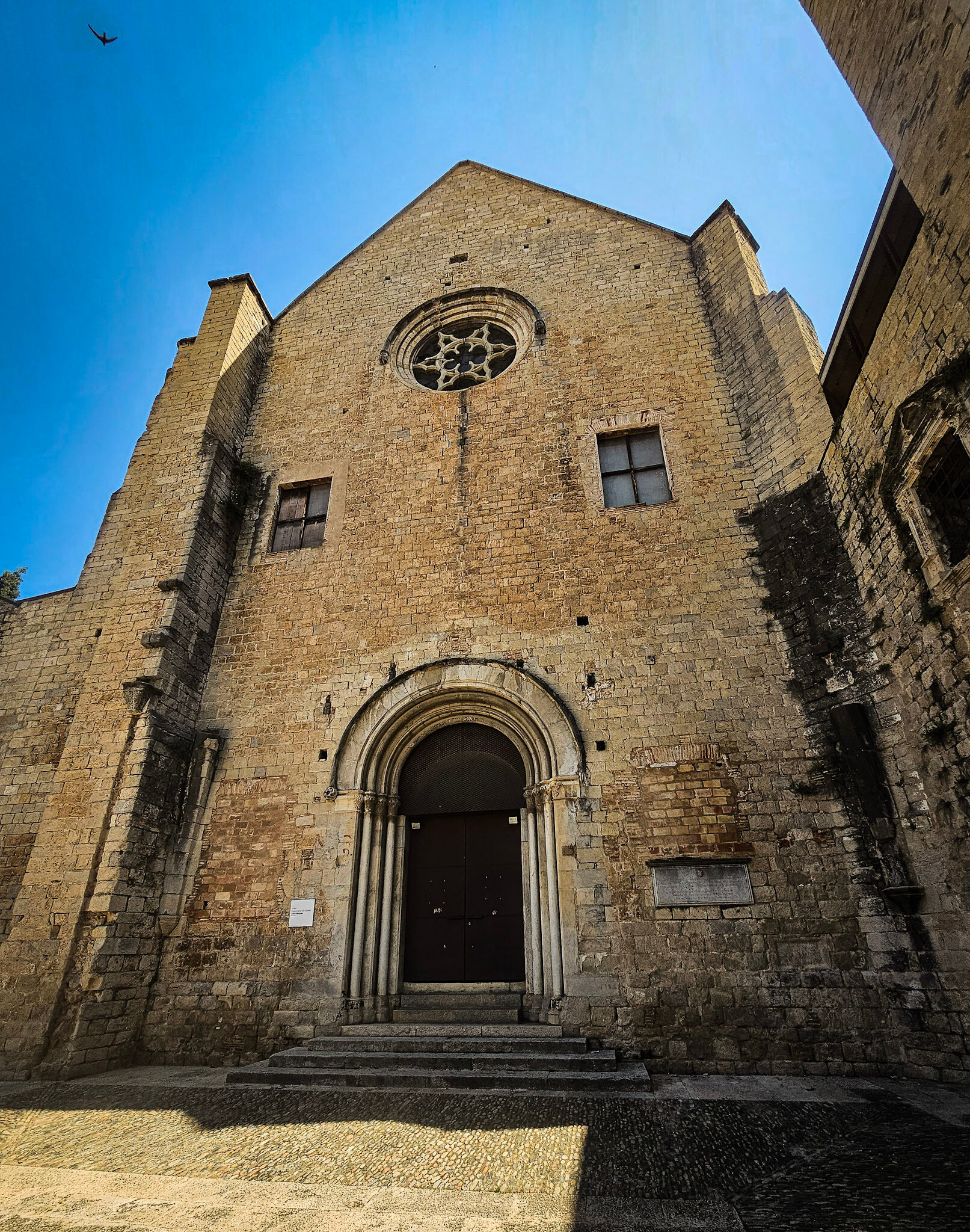
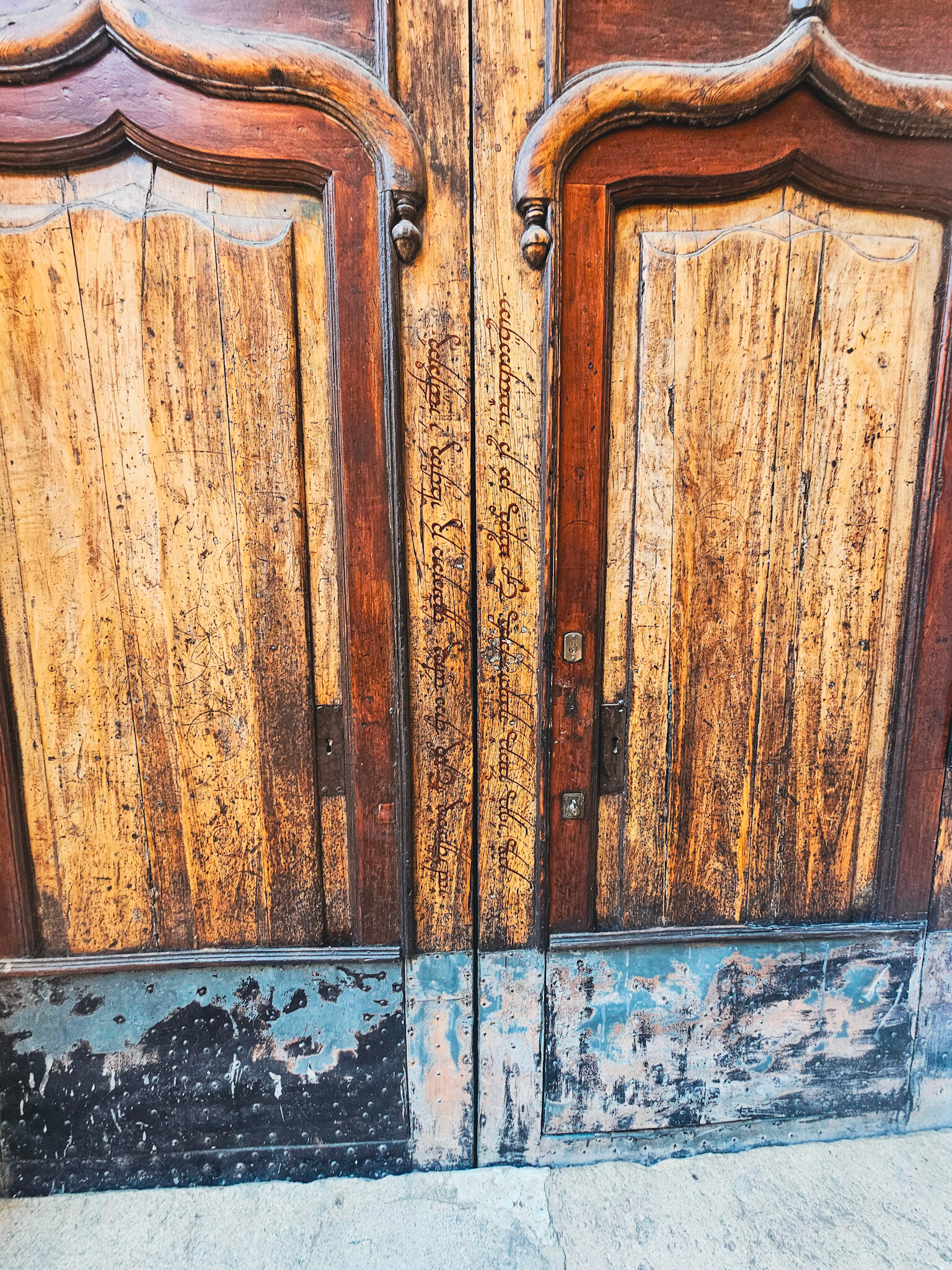
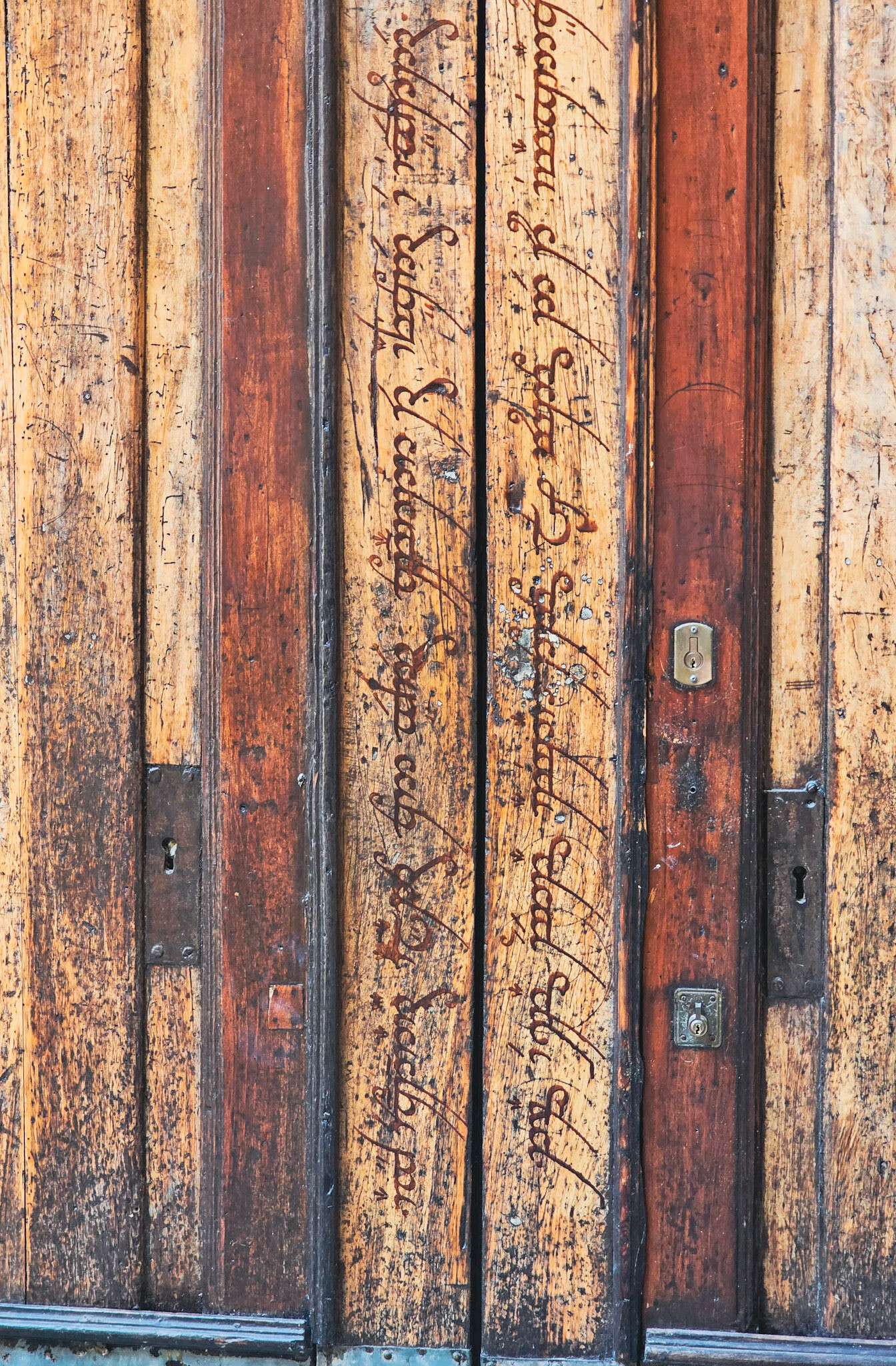
Along the way there are small churches and unassuming buildings with simple Romanesque portals, unhurried, with no tickets, but with history written in stone. All it takes is stepping off the main route to find details that create the atmosphere: old wooden doors, worn by time, with faded paint and hand-written inscriptions that look like traces left by former residents. It is a bit like a chronicle of the city written not in a museum, but on ordinary walls and house entrances.
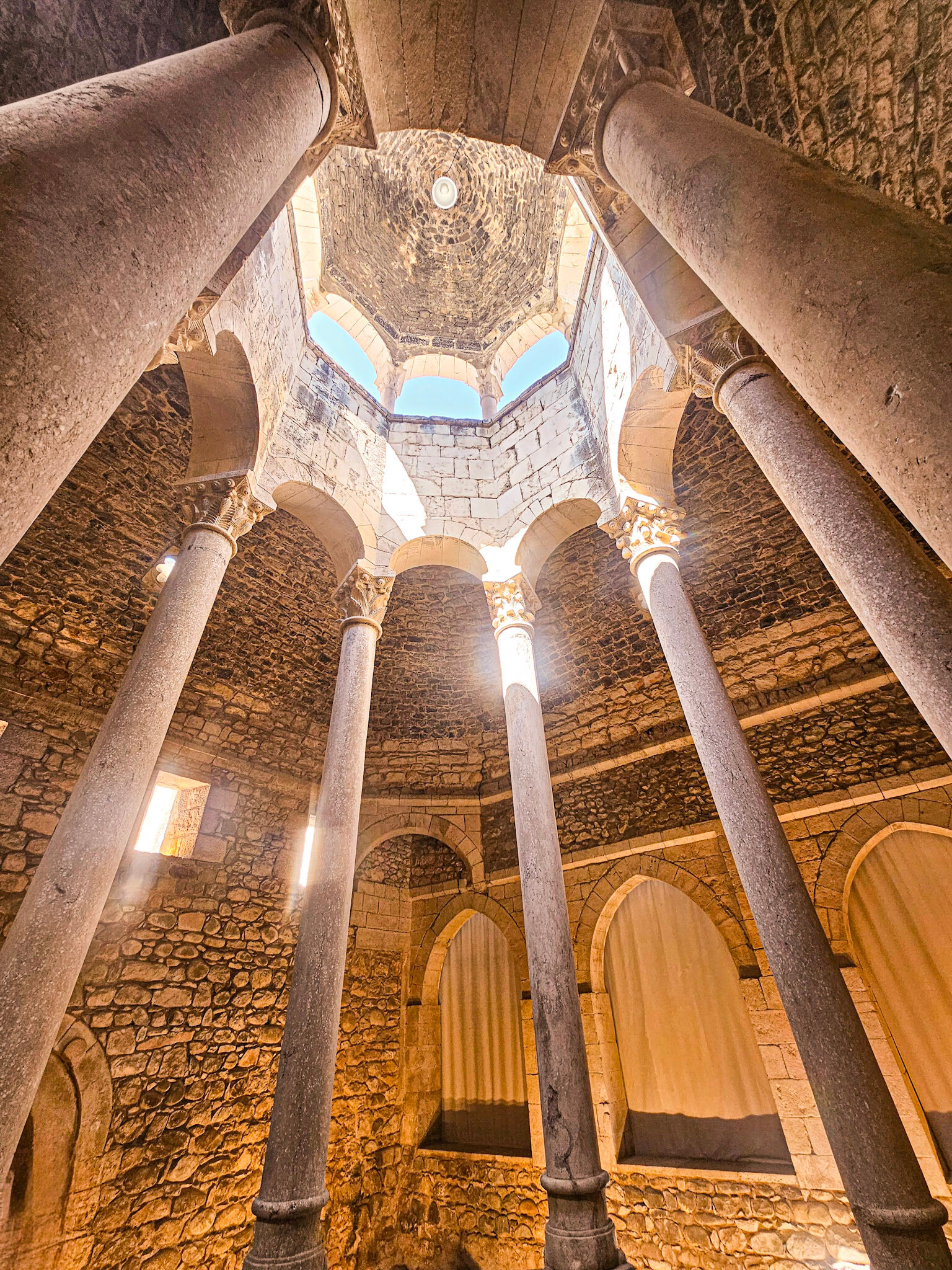
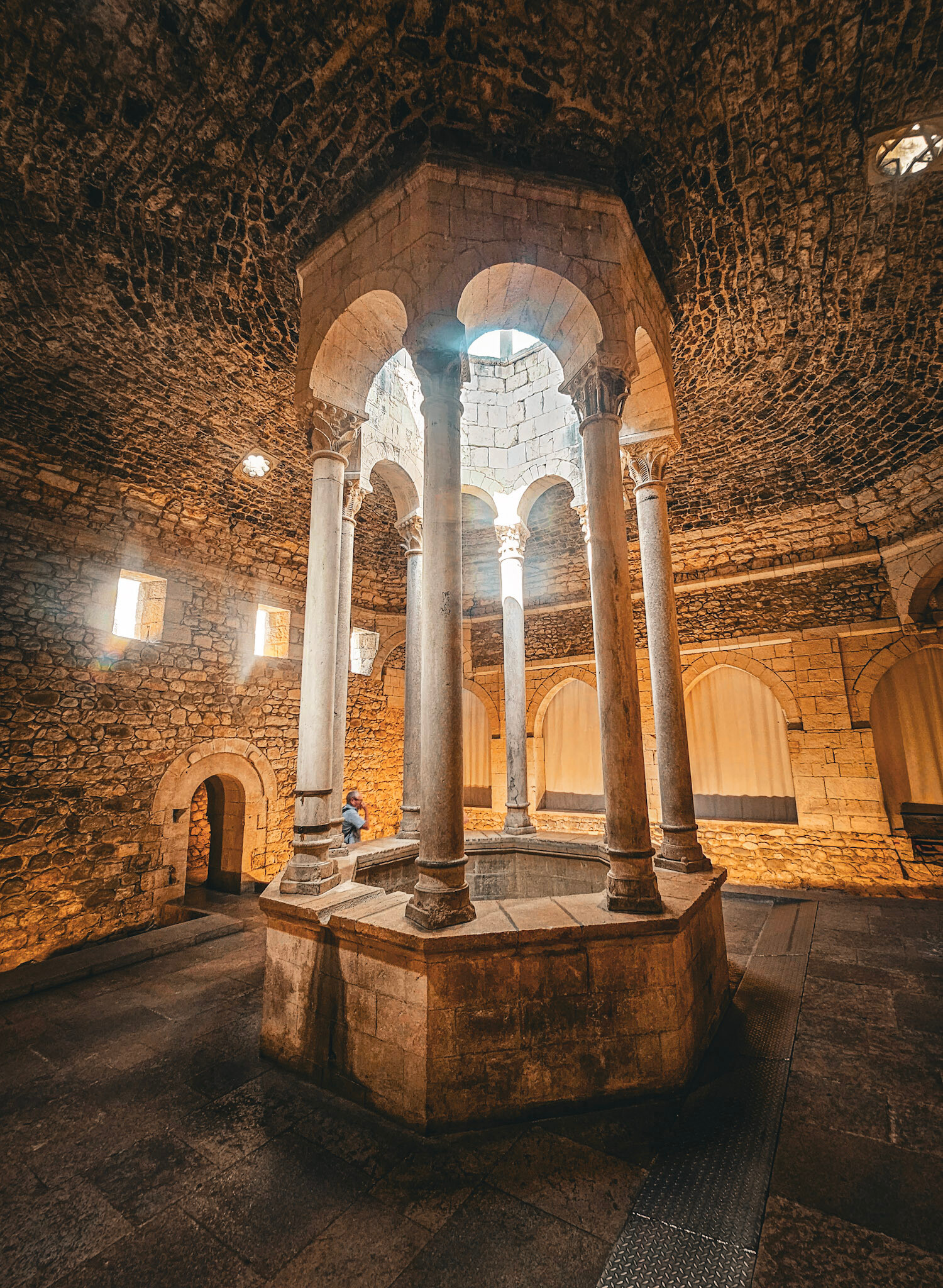
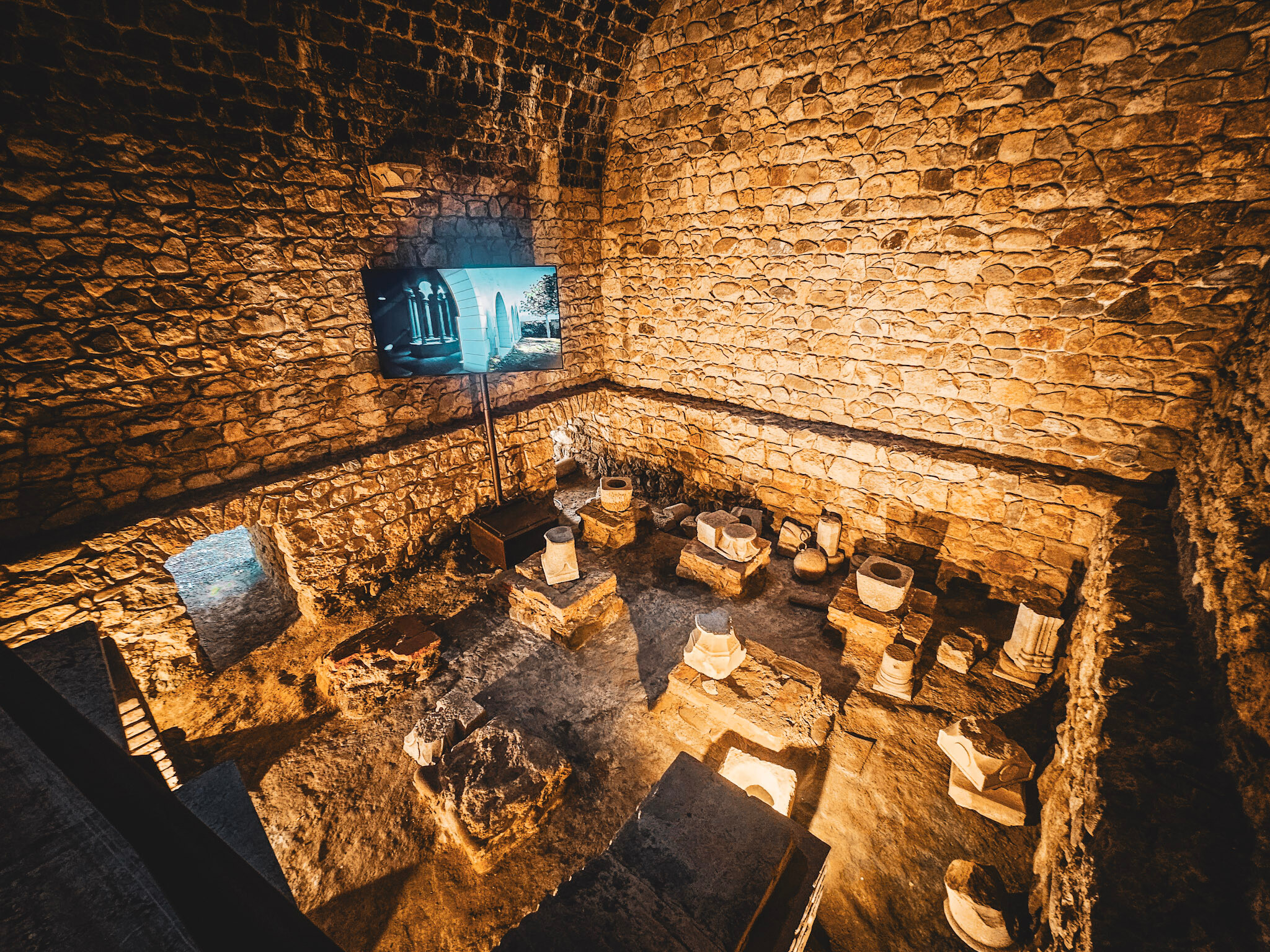
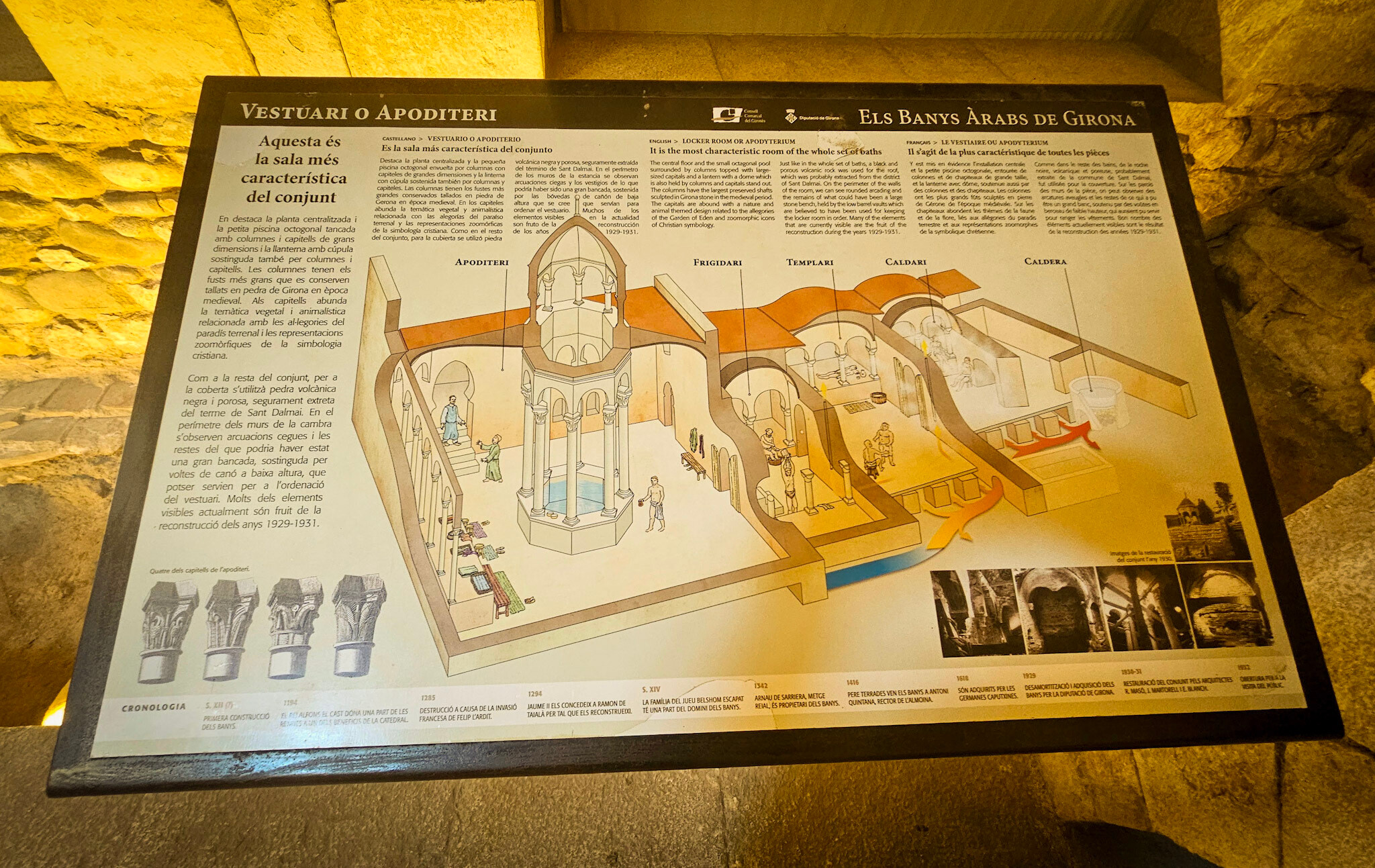
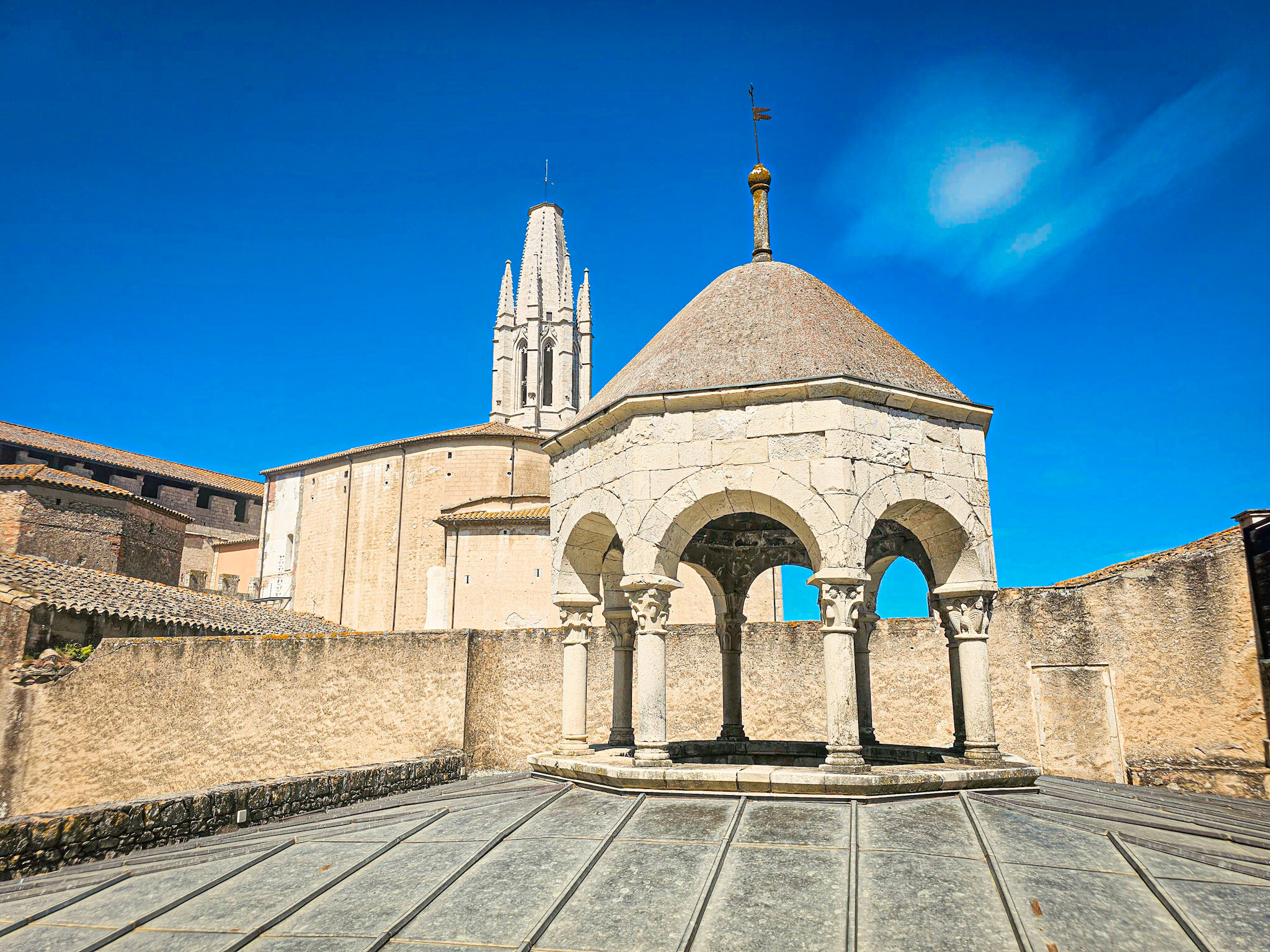
Next we head to Banys Àrabs in Girona, one of the best-preserved medieval baths in Spain, although despite the name they are not Arab, only inspired by the Moorish style. They were built in the 12th century on the model of Roman thermae and served as a place of hygiene, meetings and rest. The whole layout is based on passing through successive rooms of different temperatures, from cool to hot. The most characteristic is the entrance hall with an octagonal pool and columns under a dome, which looks as if it came straight out of another era. This is where a visit began, something like today's relaxation zone. In the following rooms you can see how the medieval "spa system" worked, based on simple but effective solutions. The baths were partly destroyed during wars, later rebuilt and changed their functions over the centuries. Only in the 20th century were they restored to their present appearance and opened to visitors. Today they are not a big attraction, but they have an incredible atmosphere and let you feel history without the crowds. It is a place more for a calm walk-through and soaking up the atmosphere than for a long visit. Tickets €3.
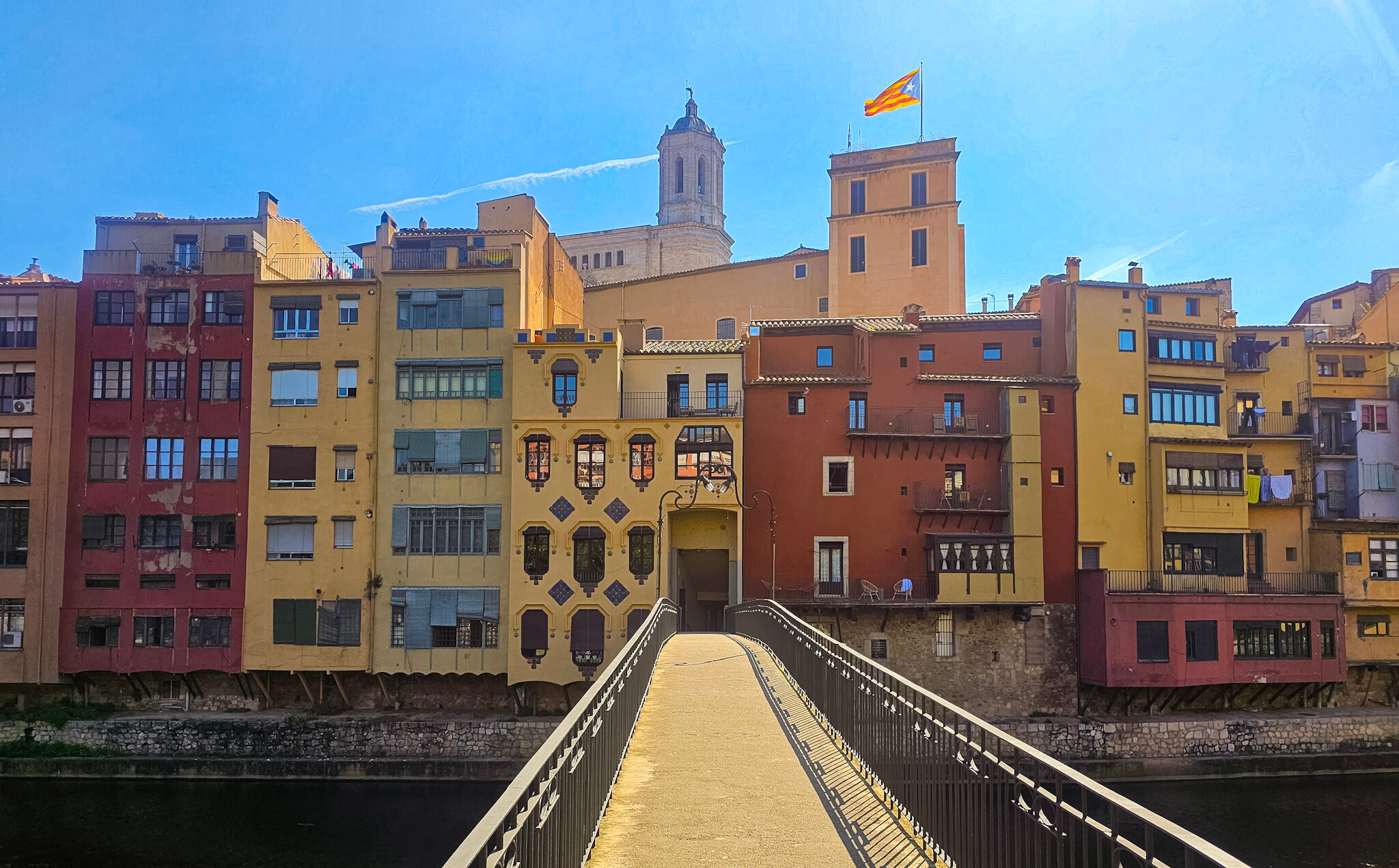
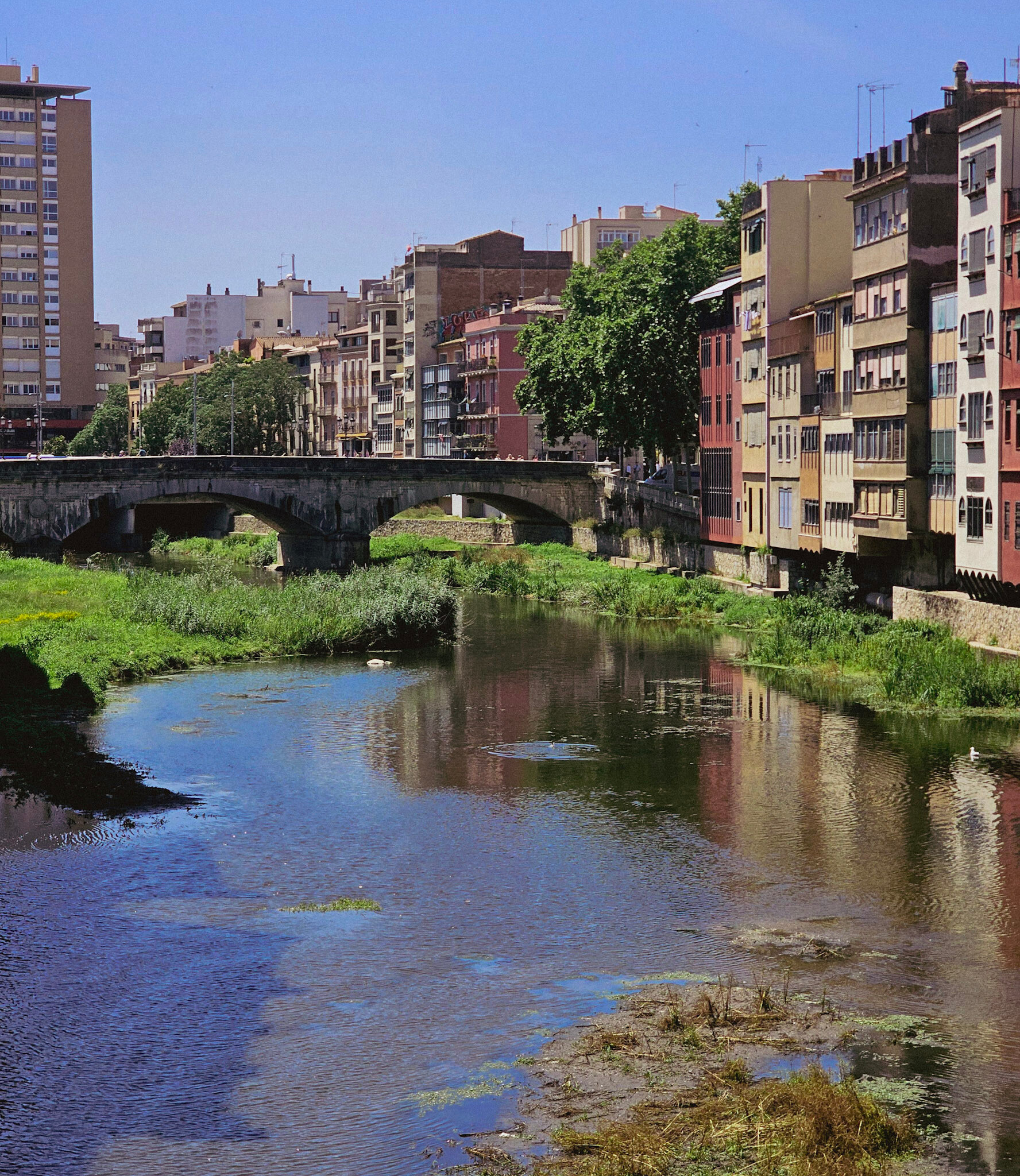
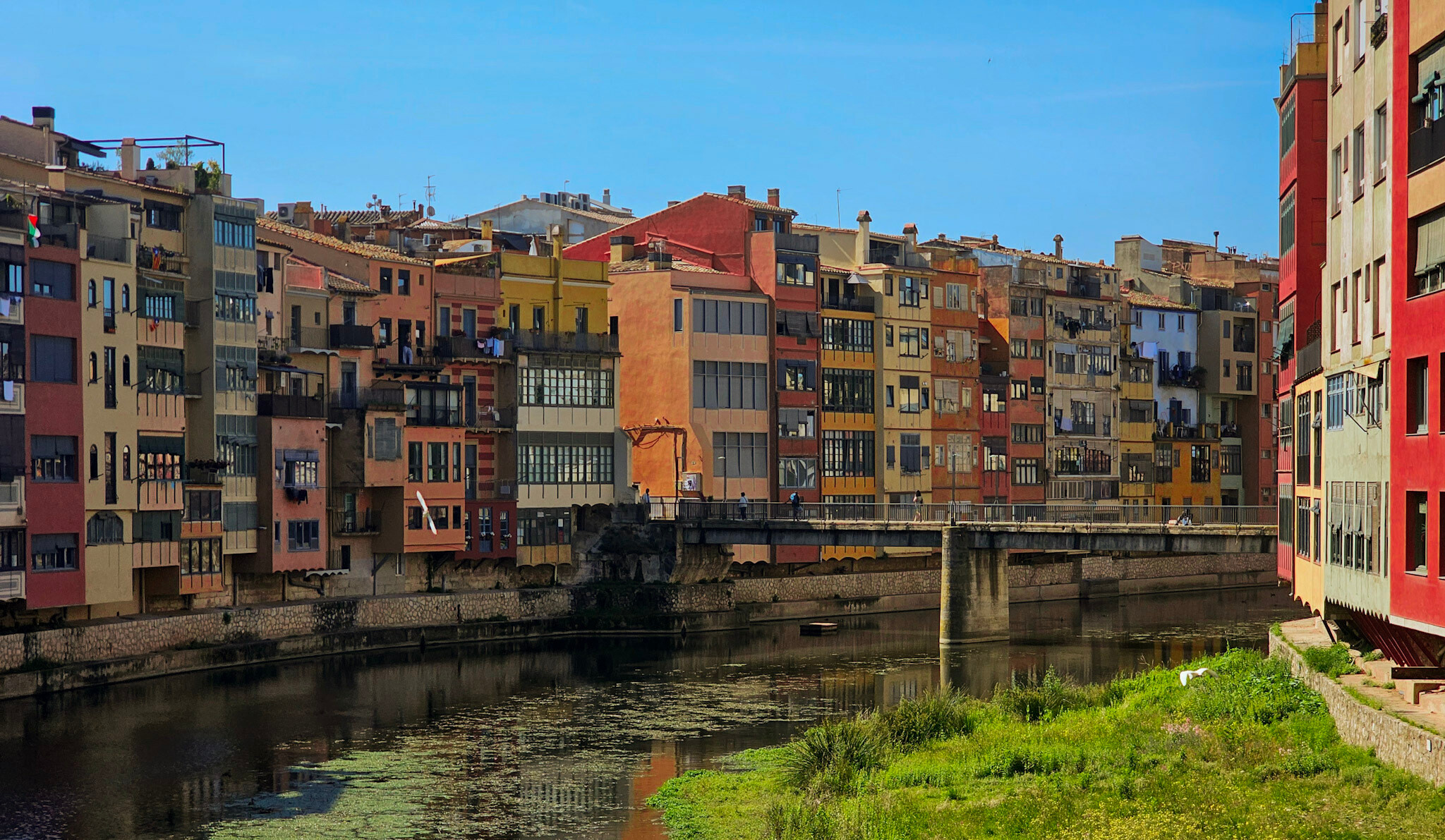
Beyond the park we quickly reach the river Onyar, where Girona shows its most characteristic face: colourful houses stand practically right on the water. Their facades are uneven, a bit "patched together", but that is exactly what creates the atmosphere you see on postcards, with the cathedral tower rising above the roofs in the background. They used to be ordinary houses of craftsmen and merchants; today they are one of the symbols of the city. We cross a narrow bridge that leads straight towards the old town and gives one of the best views of the whole row of buildings.
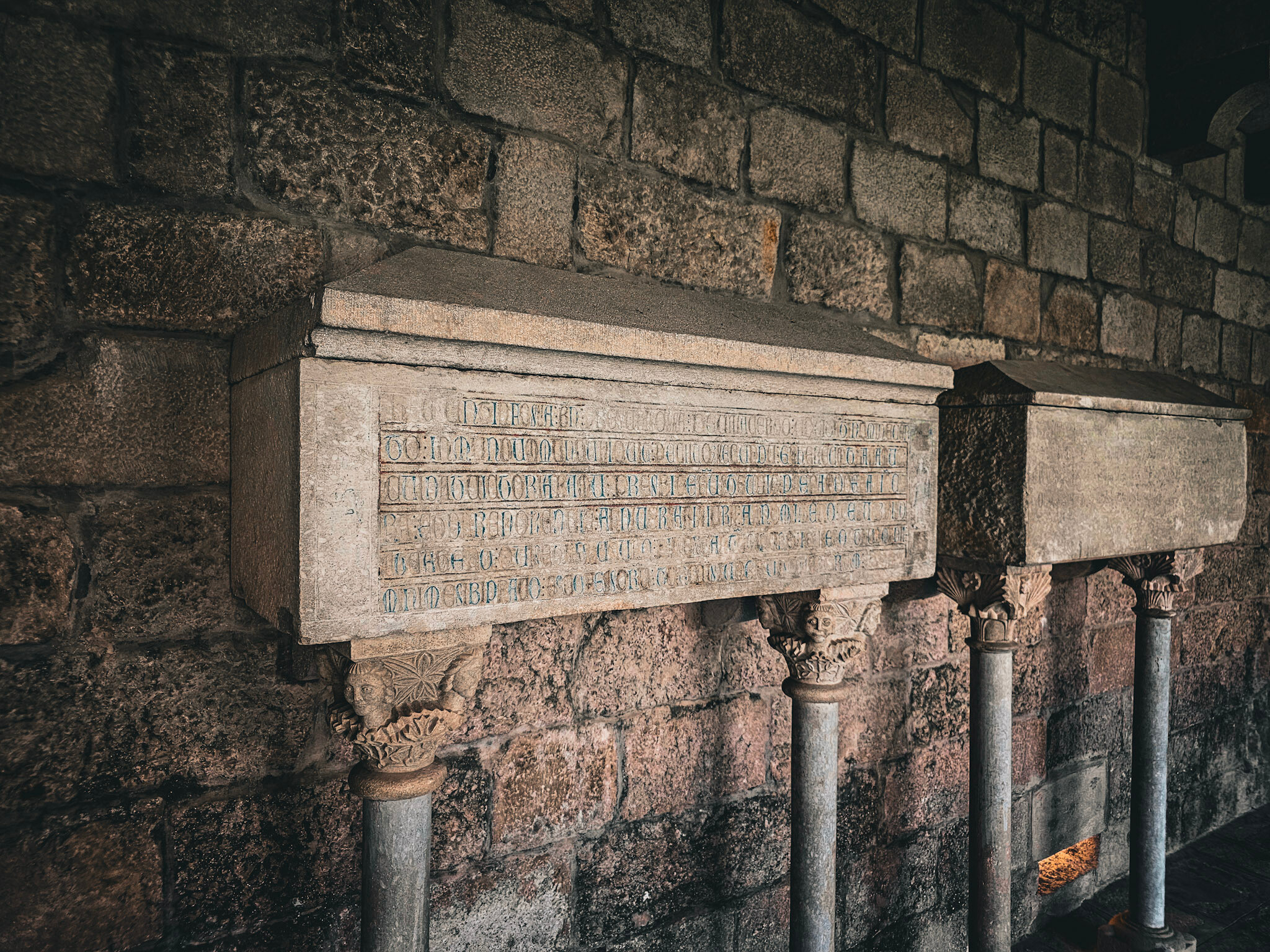
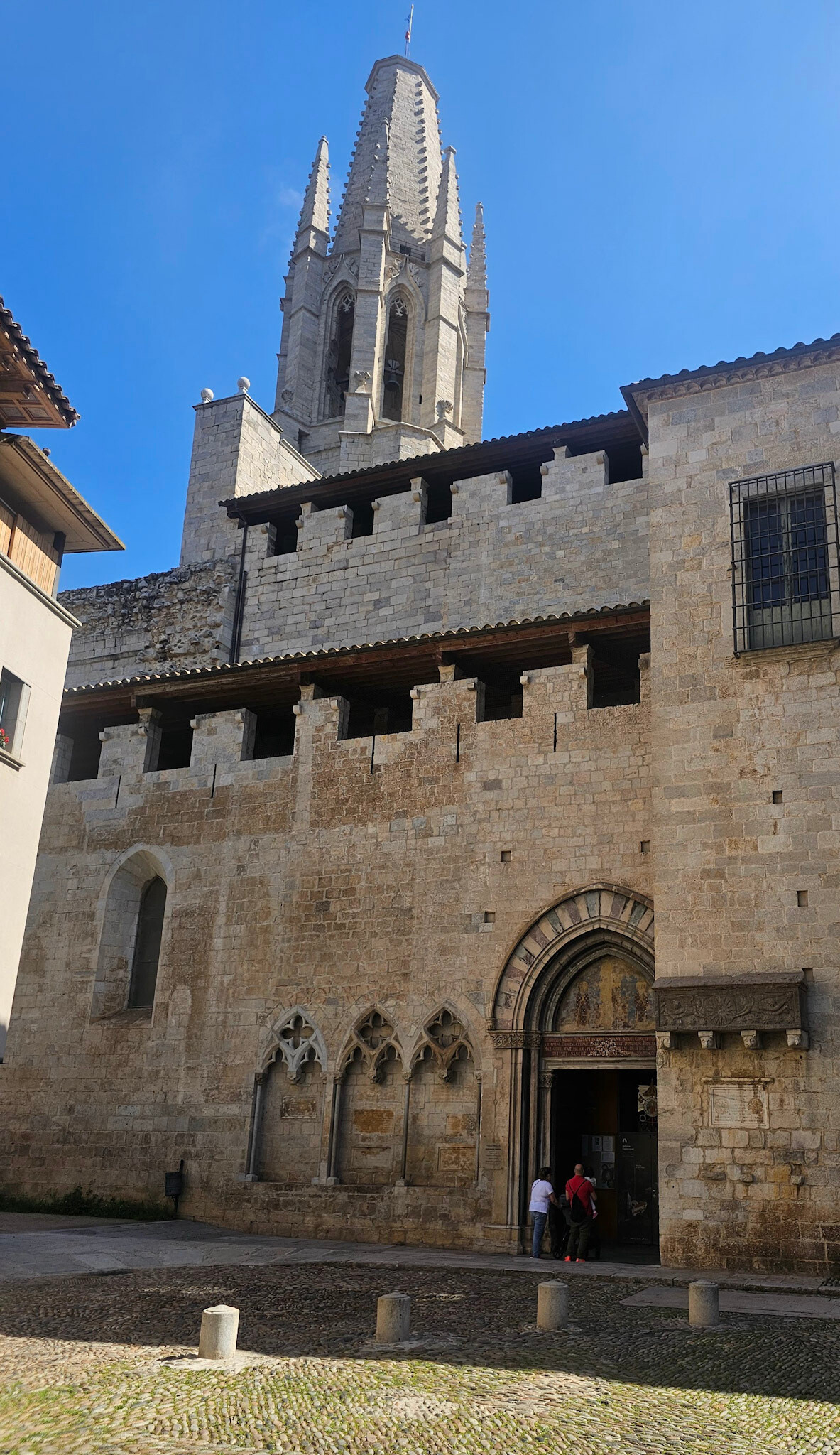
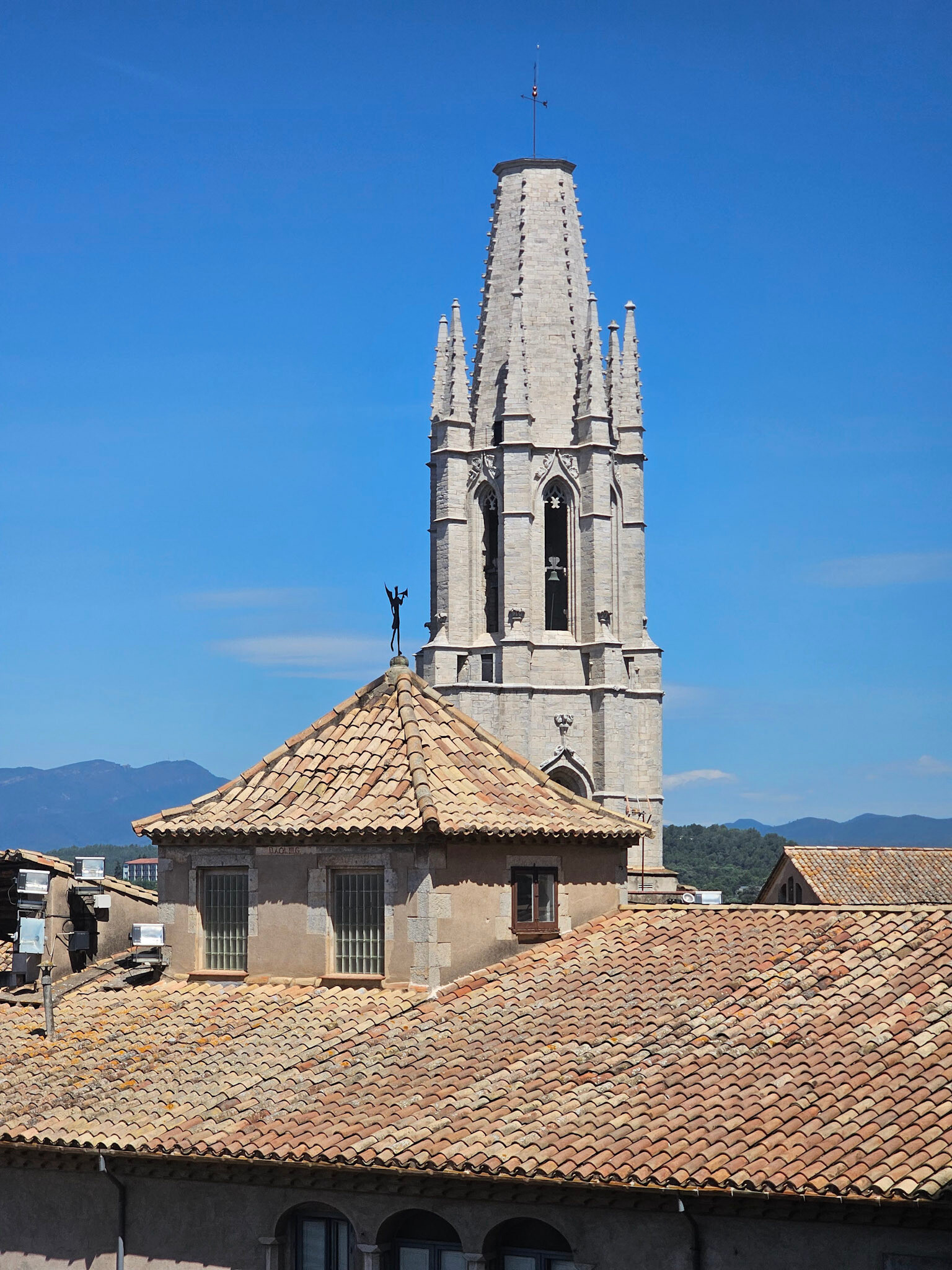
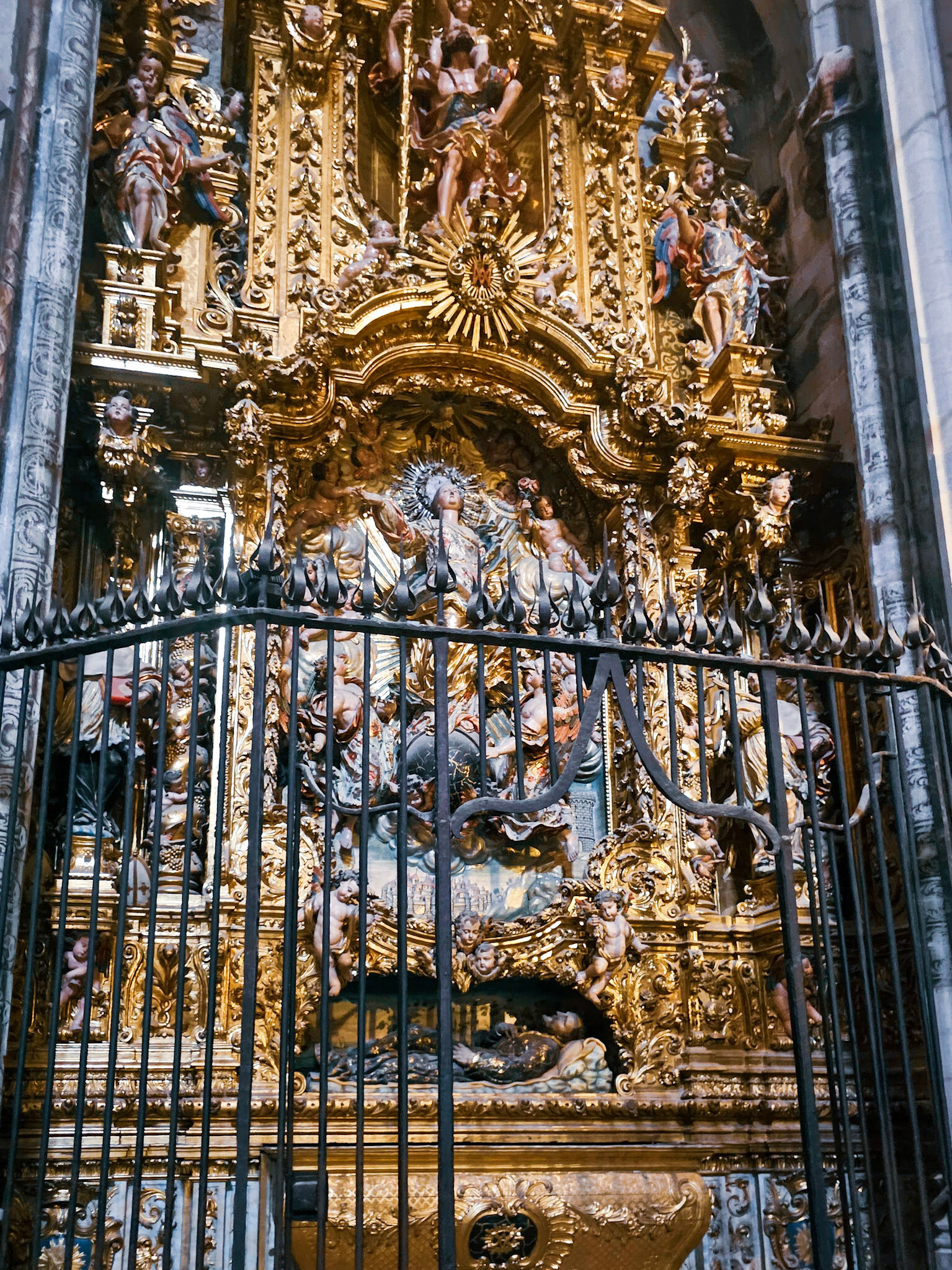
Our first steps lead to the Basilica of Sant Feliu, which stands right next to the cathedral but has a calmer, less touristy feel. The church was built on the site of an early Christian church raised over the grave of St Felix, who died in Girona during the persecution of Christians under Emperor Diocletian (3rd/4th century). According to tradition he was executed for his faith, and his tomb quickly became a place of worship. In Roman times Girona was known as Gerunda, and the sarcophagi preserved inside are a remnant of that era – originally the tombs of local elites, later built into the church walls. From outside, the eye is drawn to the distinctive tower with a "cut-off" top, while inside the stark atmosphere makes it a short but very concrete stop at the start of sightseeing.
+
We were in Girona for only one day, a bit "in passing", before our flight during a stay in Barcelona, but it is one of those places that can pleasantly surprise you. The city is compact enough that you can see quite a lot in one day, yet atmospheric enough that you want to stay longer. On our map we marked a few more spots we did not manage to reach, so there is a good excuse to come back. Girona has something calmer and more authentic than Barcelona, and yet it is not at all inferior in beauty. It is an ideal destination for a short city break or just such a stop before a flight. And definitely a place that stays in your head for longer.
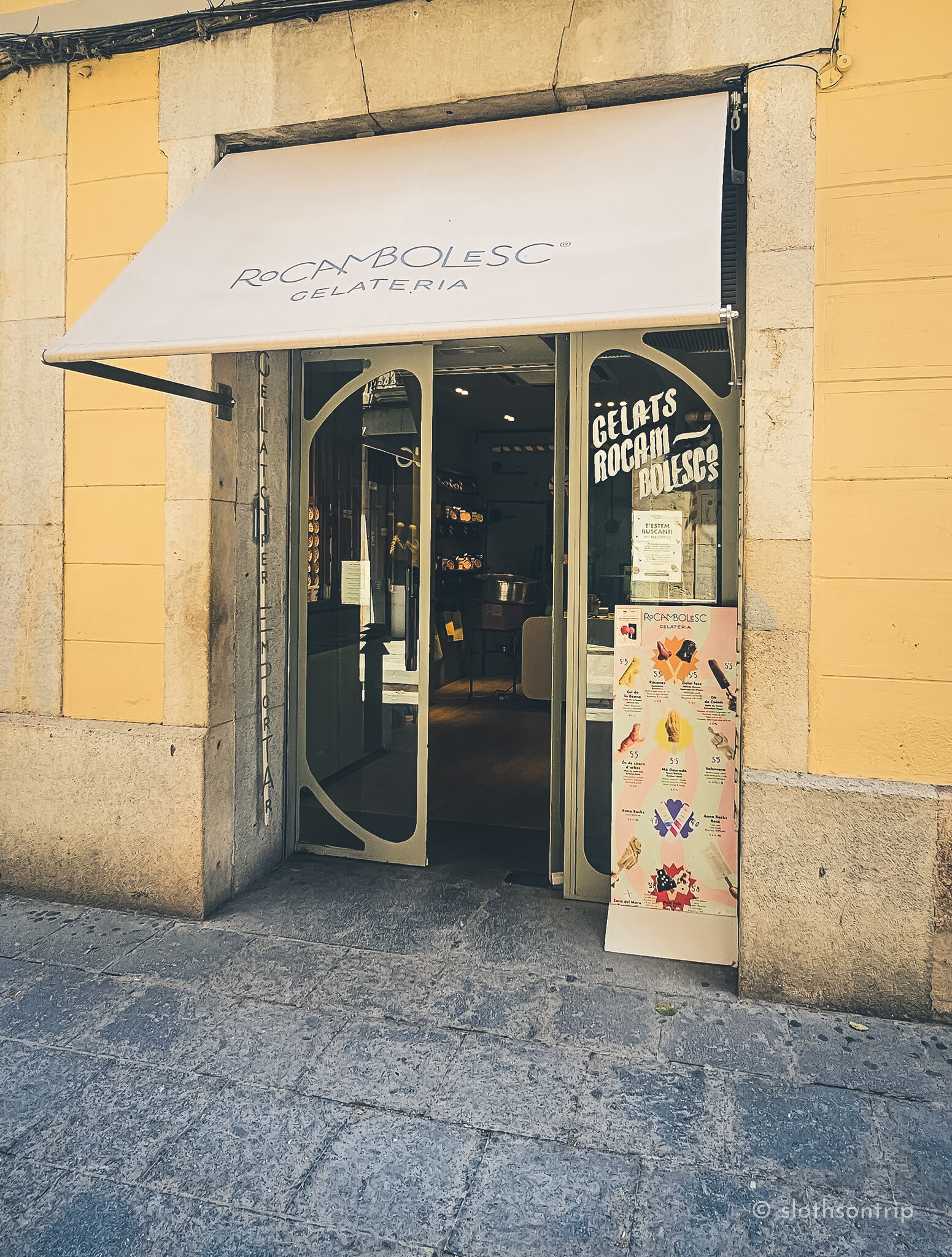
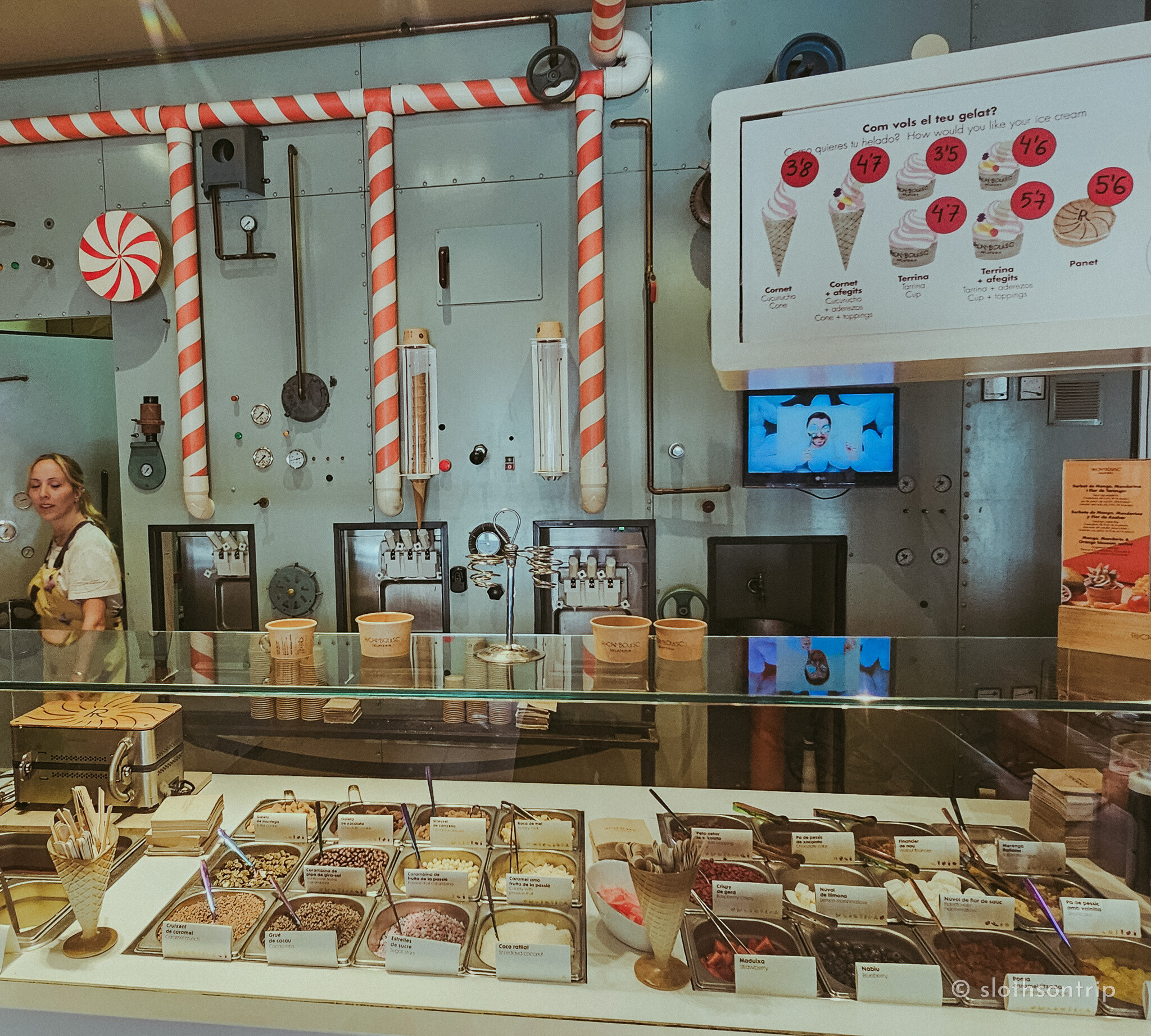
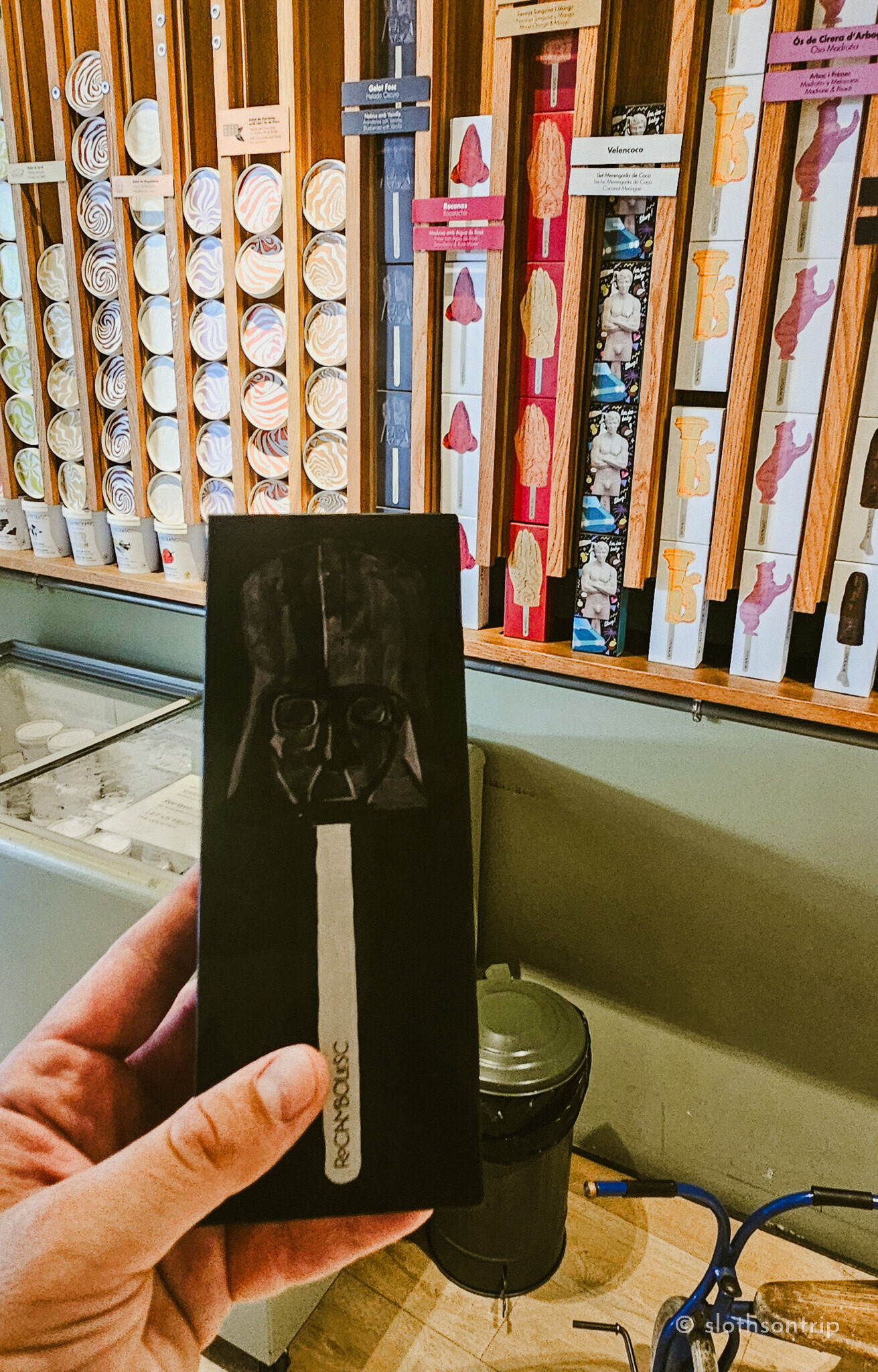
On the way to the old town we make one more stop at Rocambolesc Gelateria, which at first glance looks like an ordinary ice-cream shop, but quickly turns out to be much more. The place was created by Jordi Roca, so instead of classic ice cream we get little works of art in a cone. Inside it feels a bit like Willy Wonka's confectionery laboratory: machines, colours and dozens of toppings that resemble fine dining more than a street dessert. We choose something simple, but it still ends up as a cone that looks like it came from Instagram and tastes even better than it looks. As a Star Wars fan I could not resist and also devoured an ice-cream version of Darth Vader. With a dessert like that in hand, Girona tastes even better.
Inside you will find old projectors, optical devices and inventions that created the illusion of movement – something between science and magic. It is all very interactive, so it is a great stop even with kids, because you can see how cinema "was born" step by step. A good break from the historic sights.
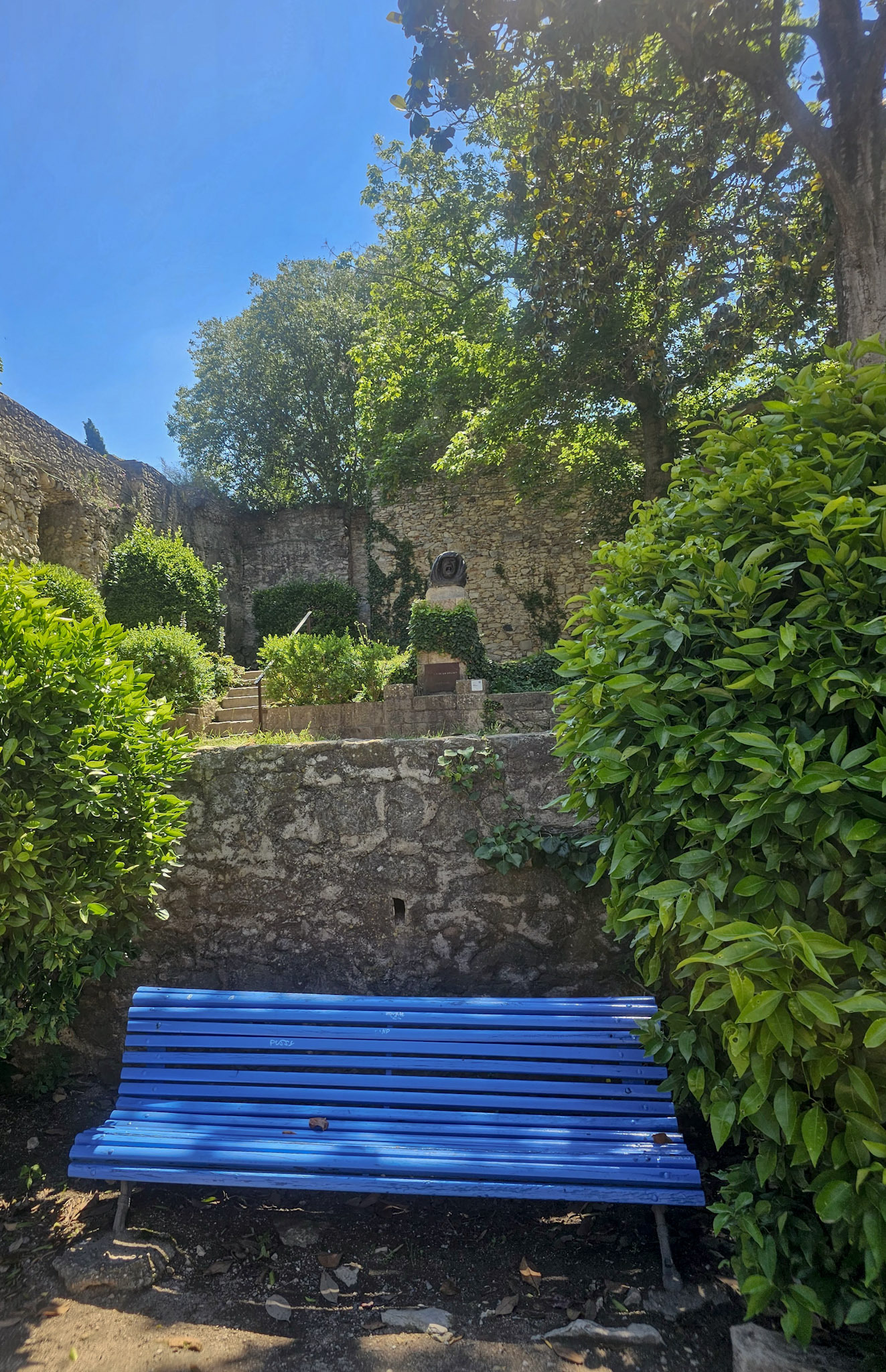
After a while we go down to Jardins dels Alemanys, a small, calm park hidden right by the walls. The shade of the trees, benches and a view of the old fortifications make it an ideal place for a moment of rest. Its name refers to the period of the Napoleonic wars, when Napoleonic troops (including soldiers of German origin) were stationed here during the sieges of Girona. After the wartime destruction, the area gradually ceased to serve a military function and over time was turned into a green space.
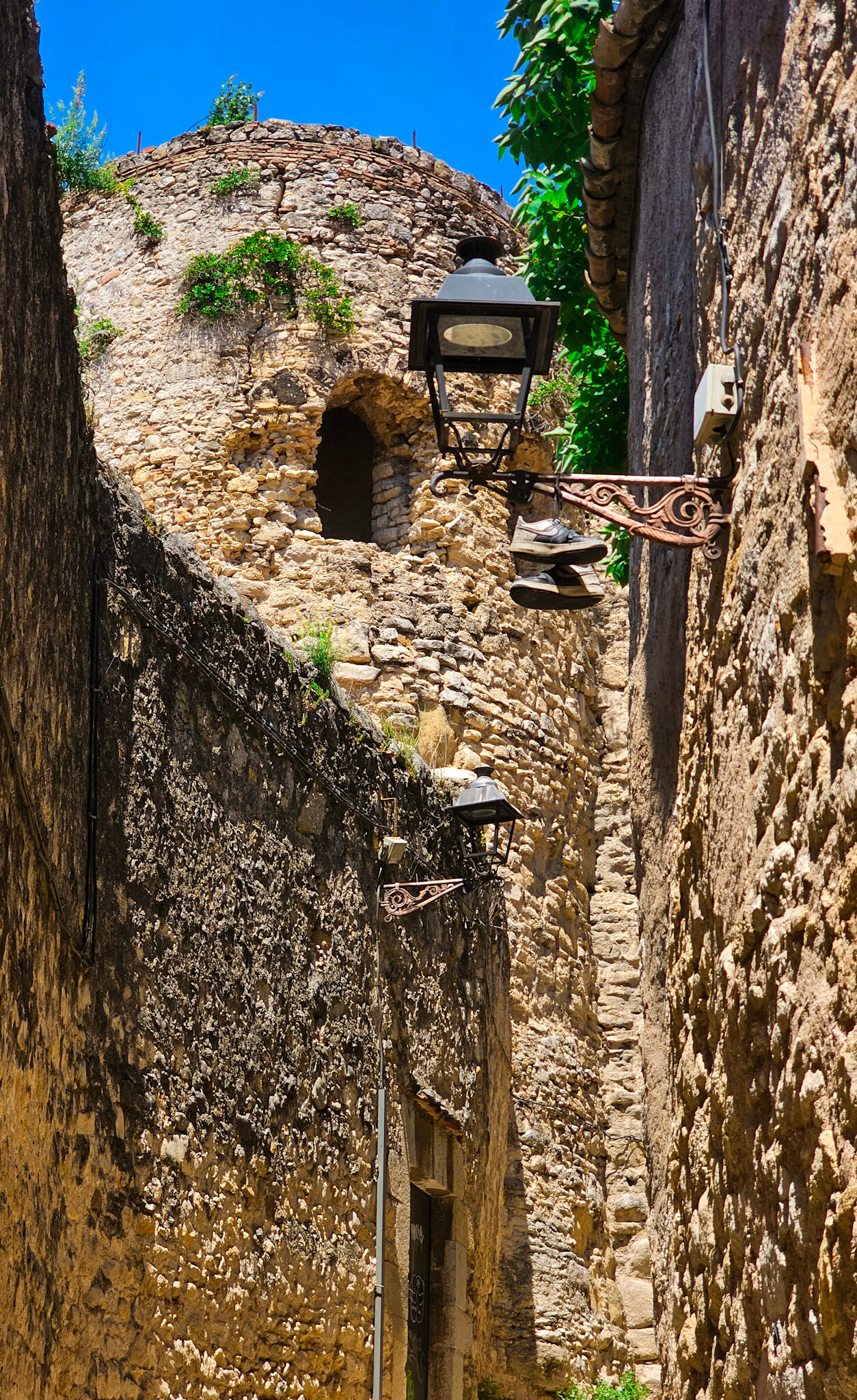
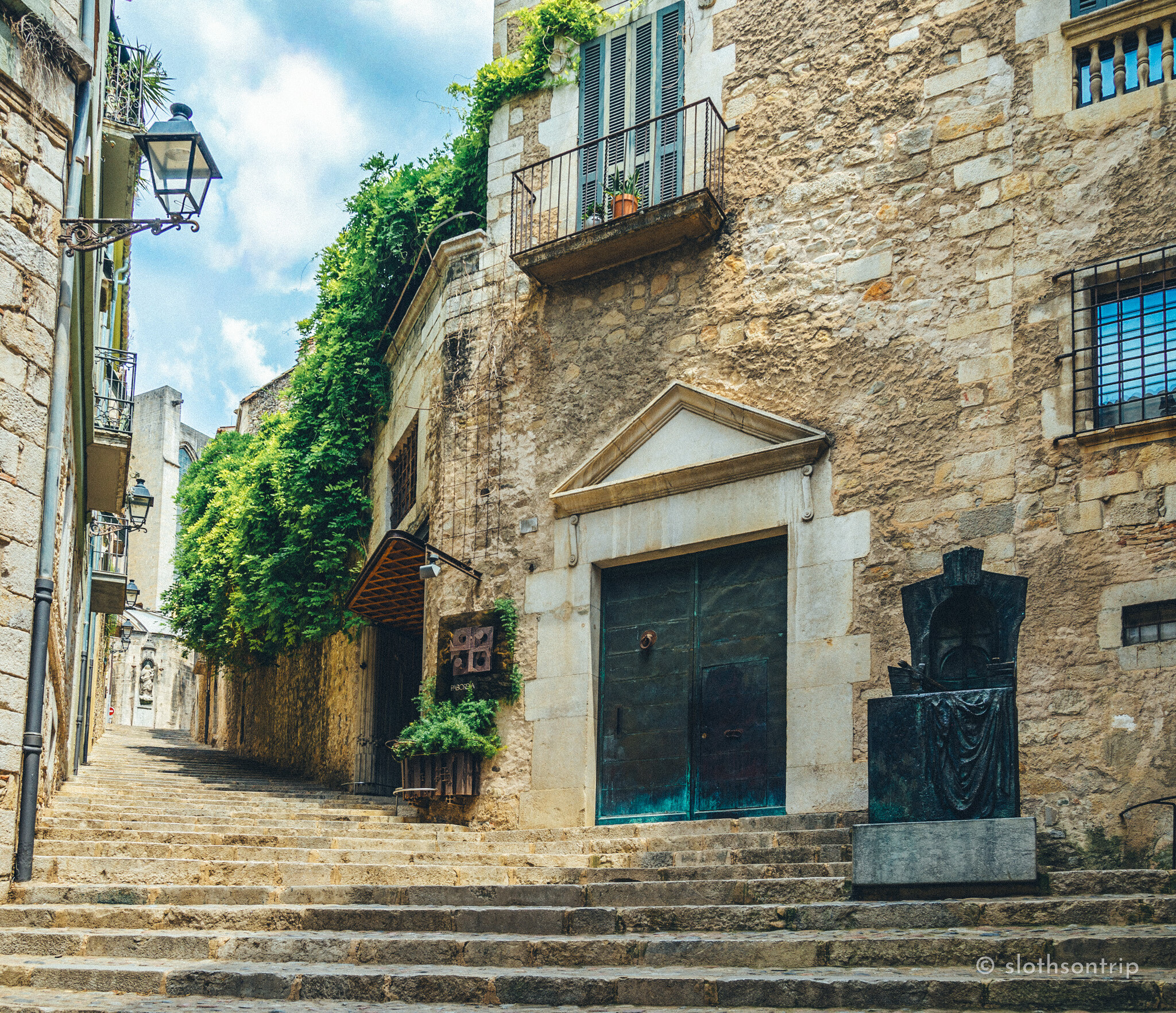
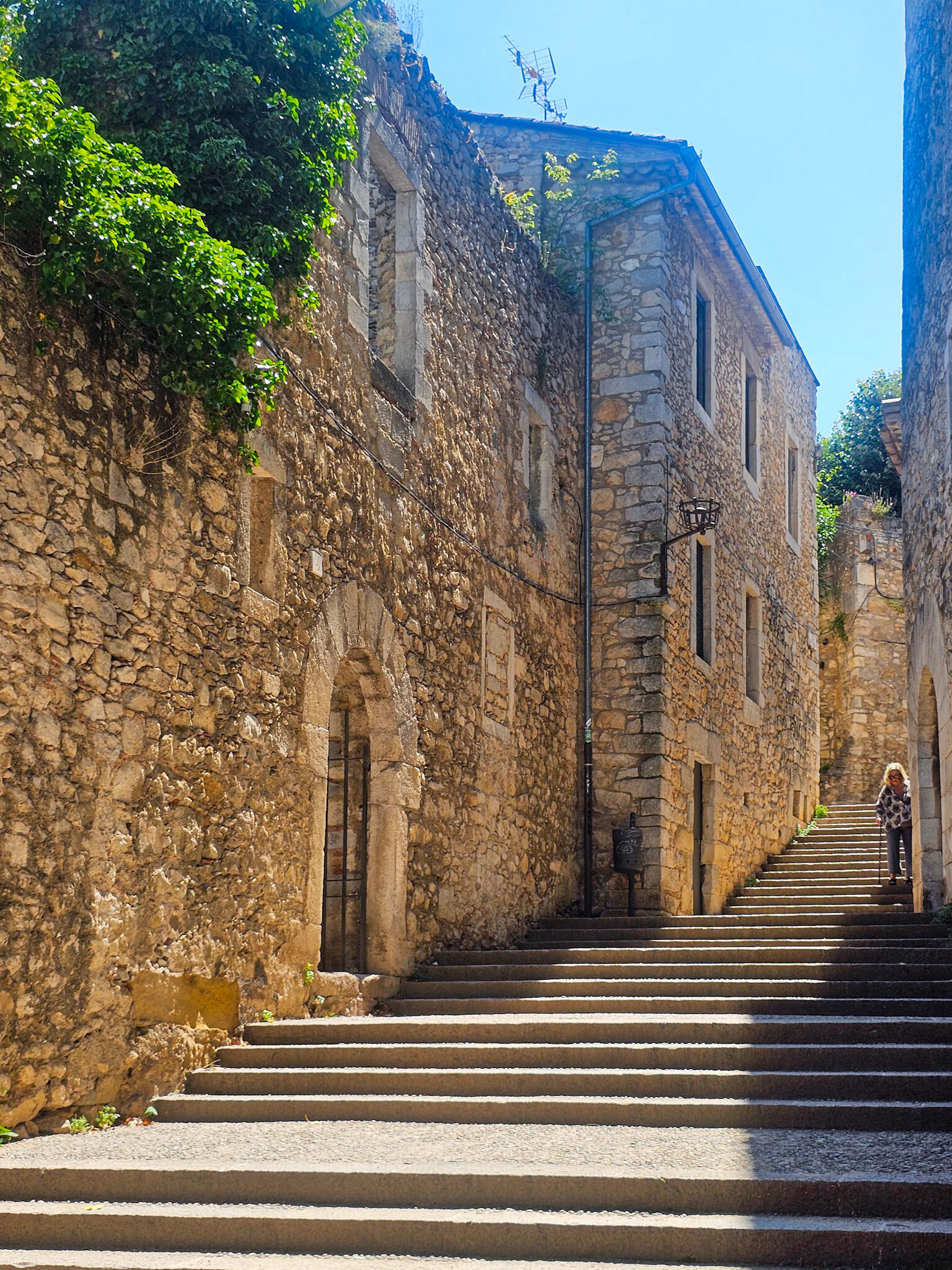
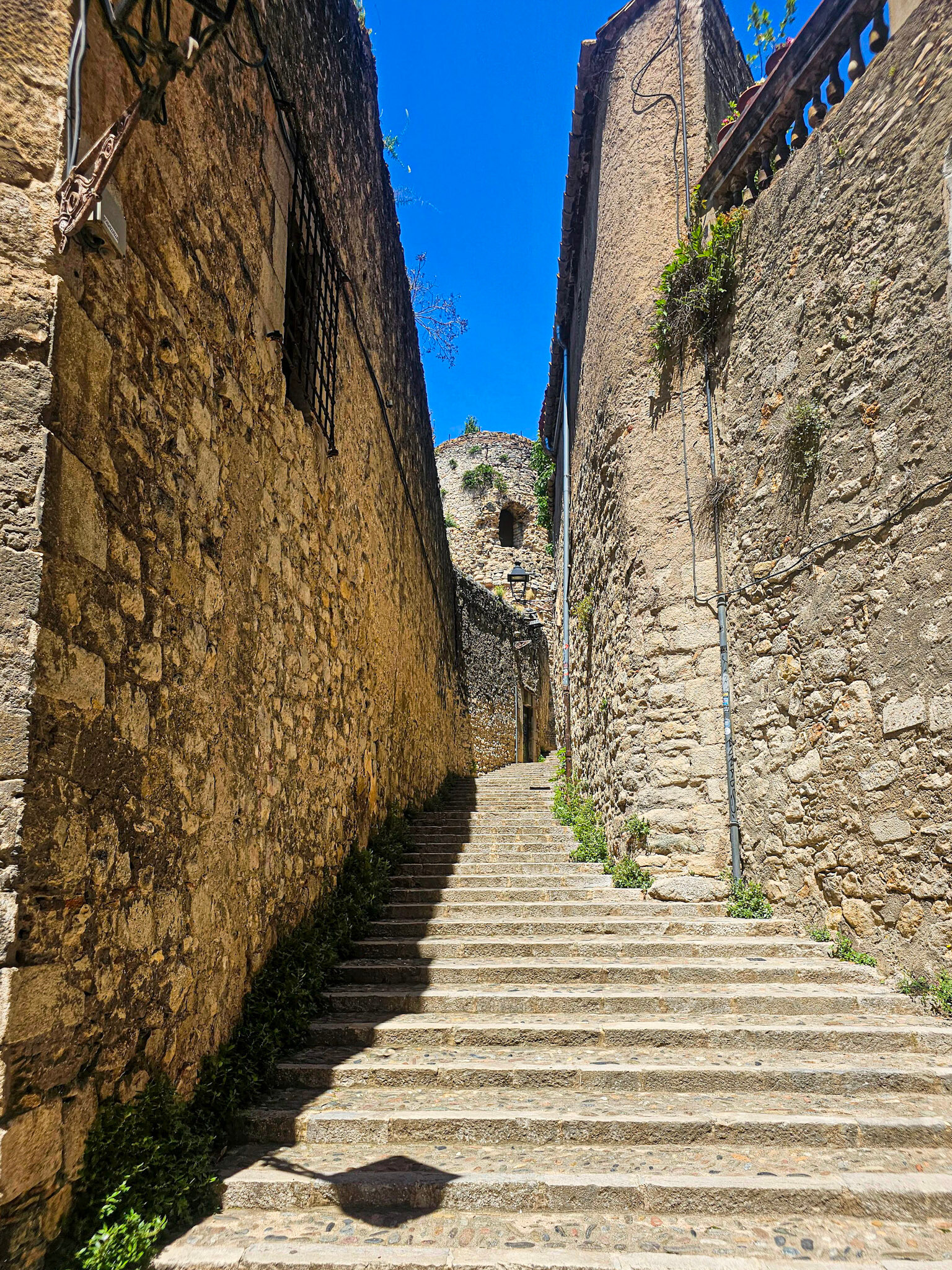
Continuing down towards the old town, through the former Jewish quarter of El Call, we enter a real maze of narrow lanes, where Girona shows its most authentic face. Stone walls, tight passages and steep stairs create an atmosphere that at times feels more like a medieval fortress than a tourist town.
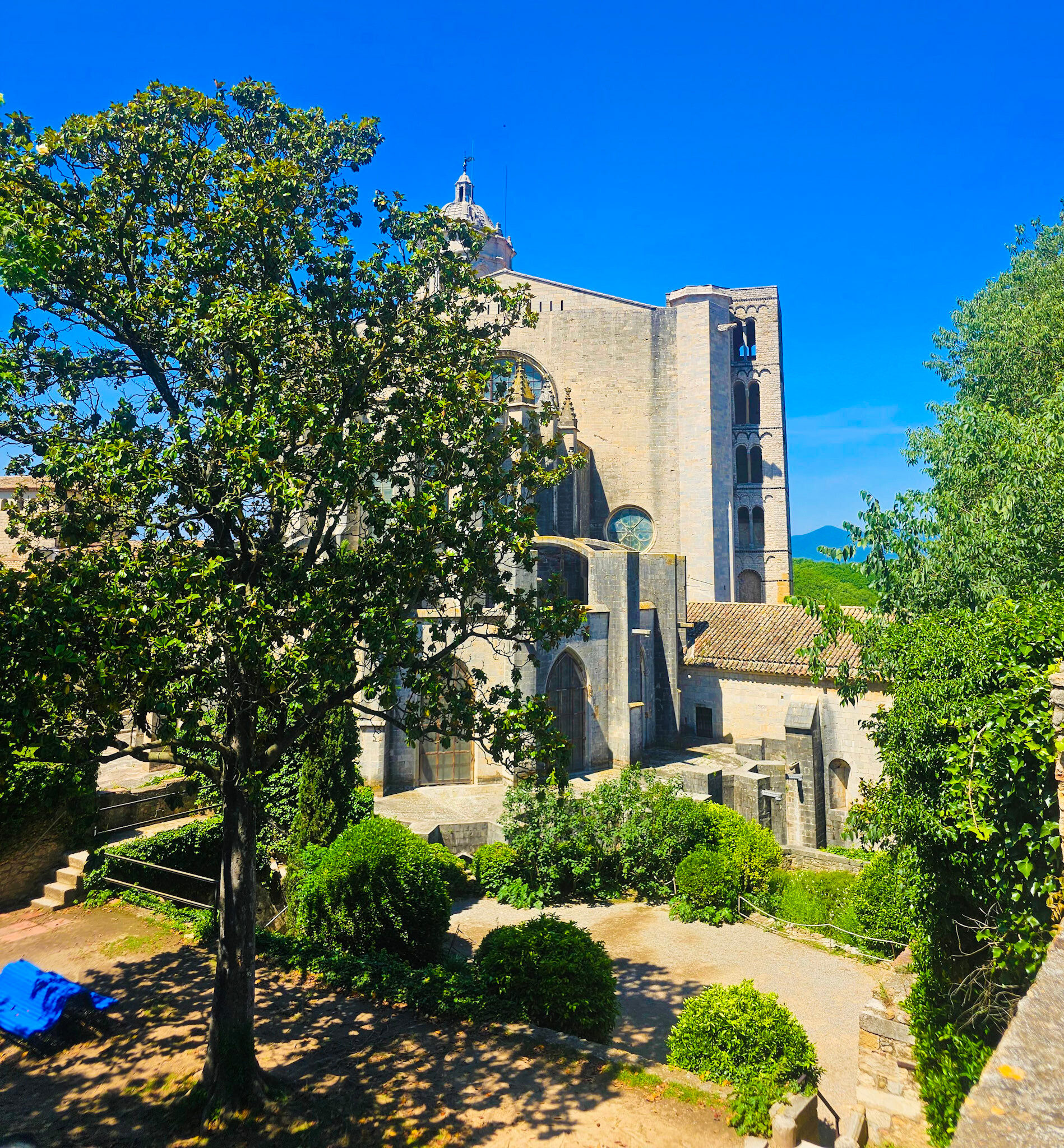
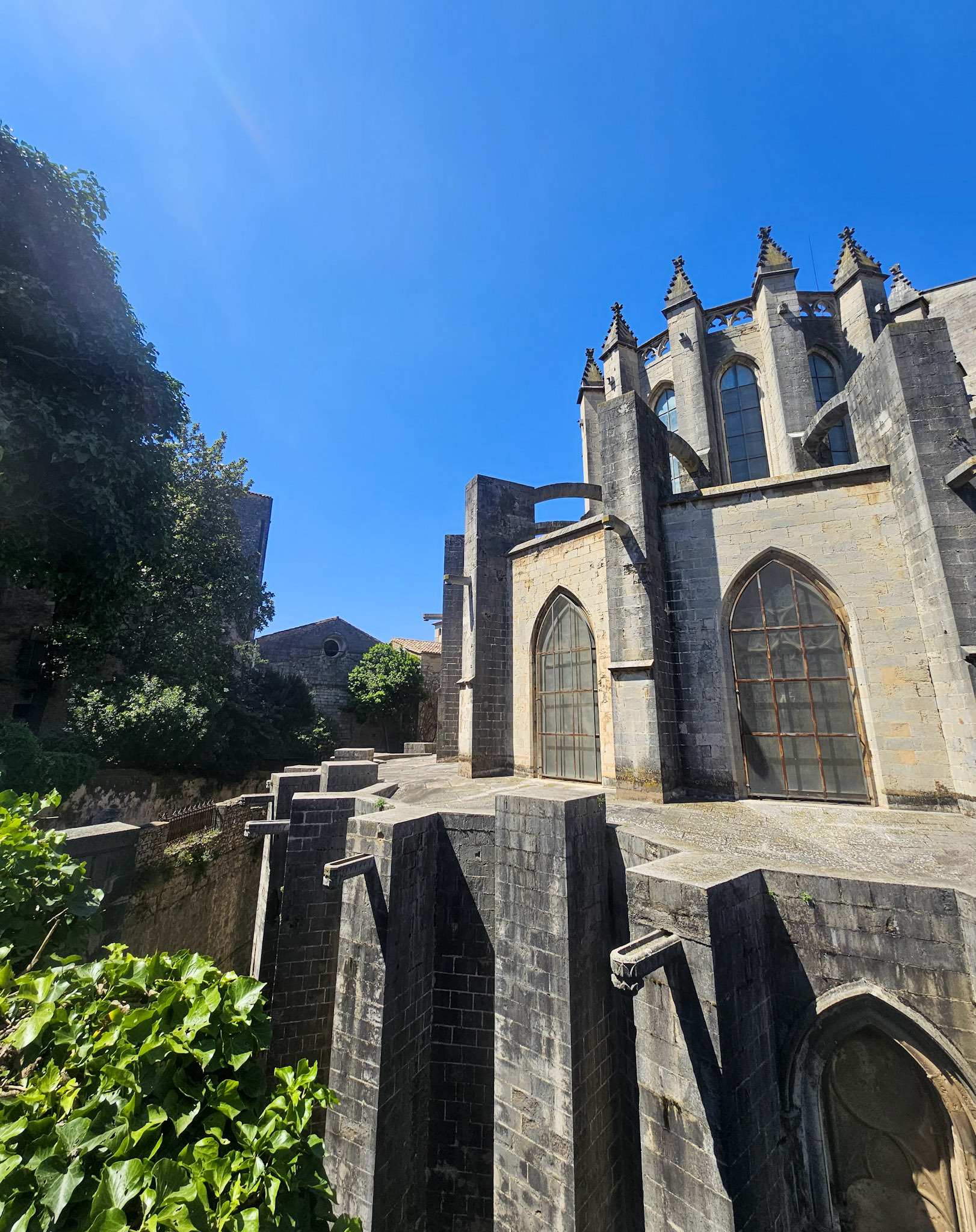
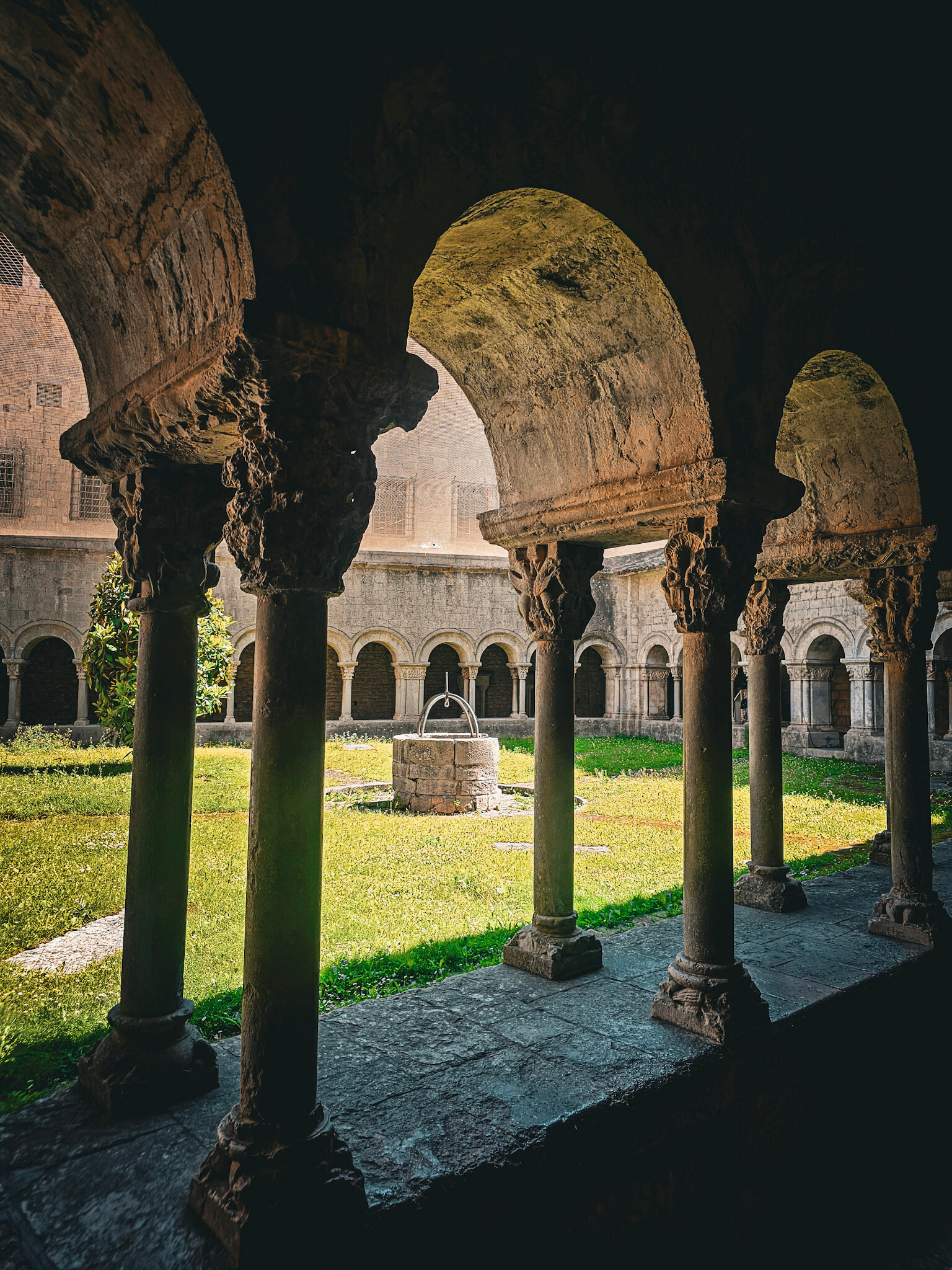
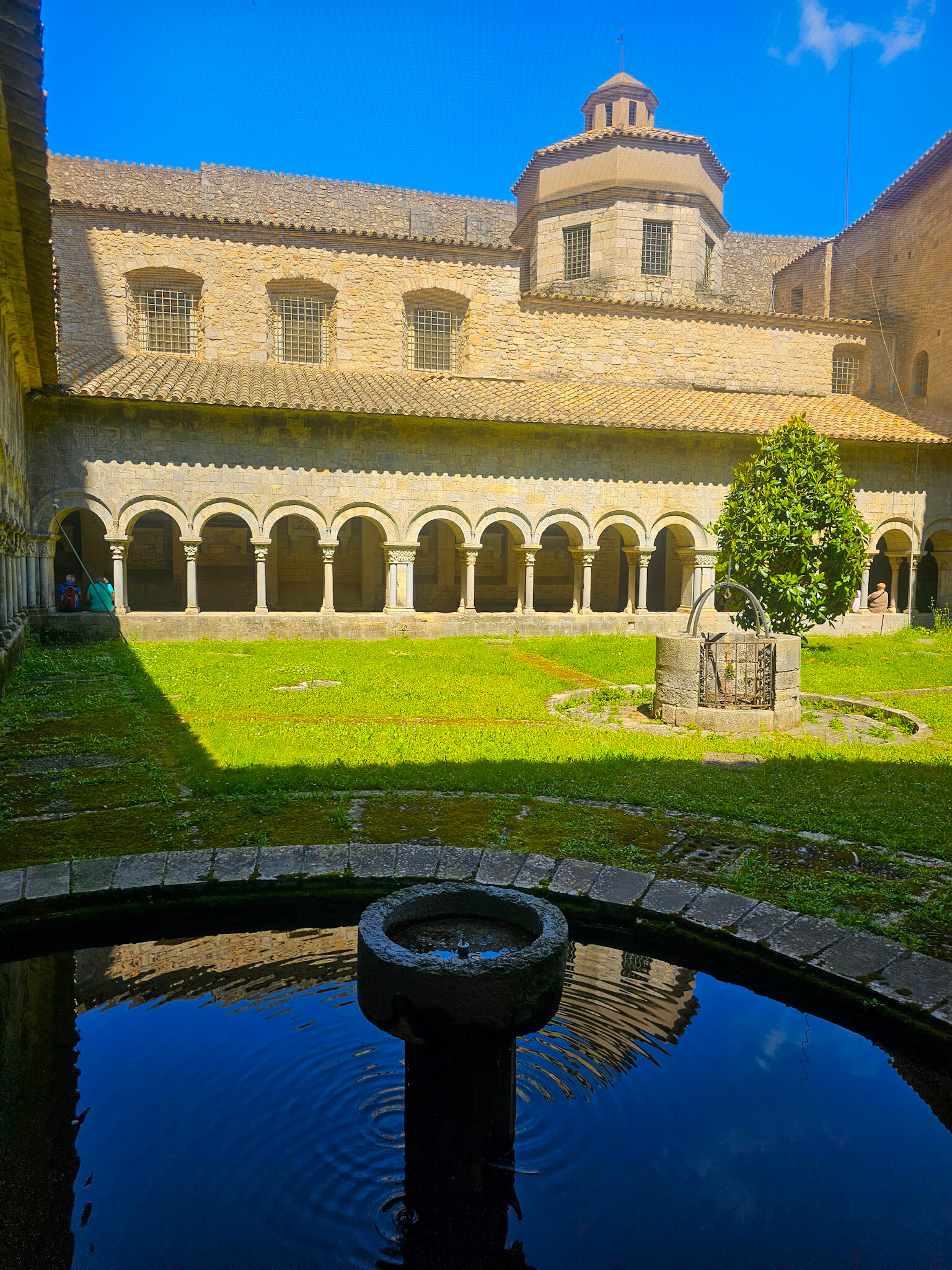
Also impressive are the richly decorated presbytery and the numerous side chapels – this is not only a sacred place, but also a witness to the city's history from Roman times to the present. The cathedral was extended over several centuries, so today it combines Romanesque, Gothic and Baroque styles. It hides not only an impressive nave, but also one of the most interesting spots – the Romanesque cloister from the 12th century. It is a calm space with arcades and a garden in the middle, which for centuries served the canons as a place of daily life and reflection.
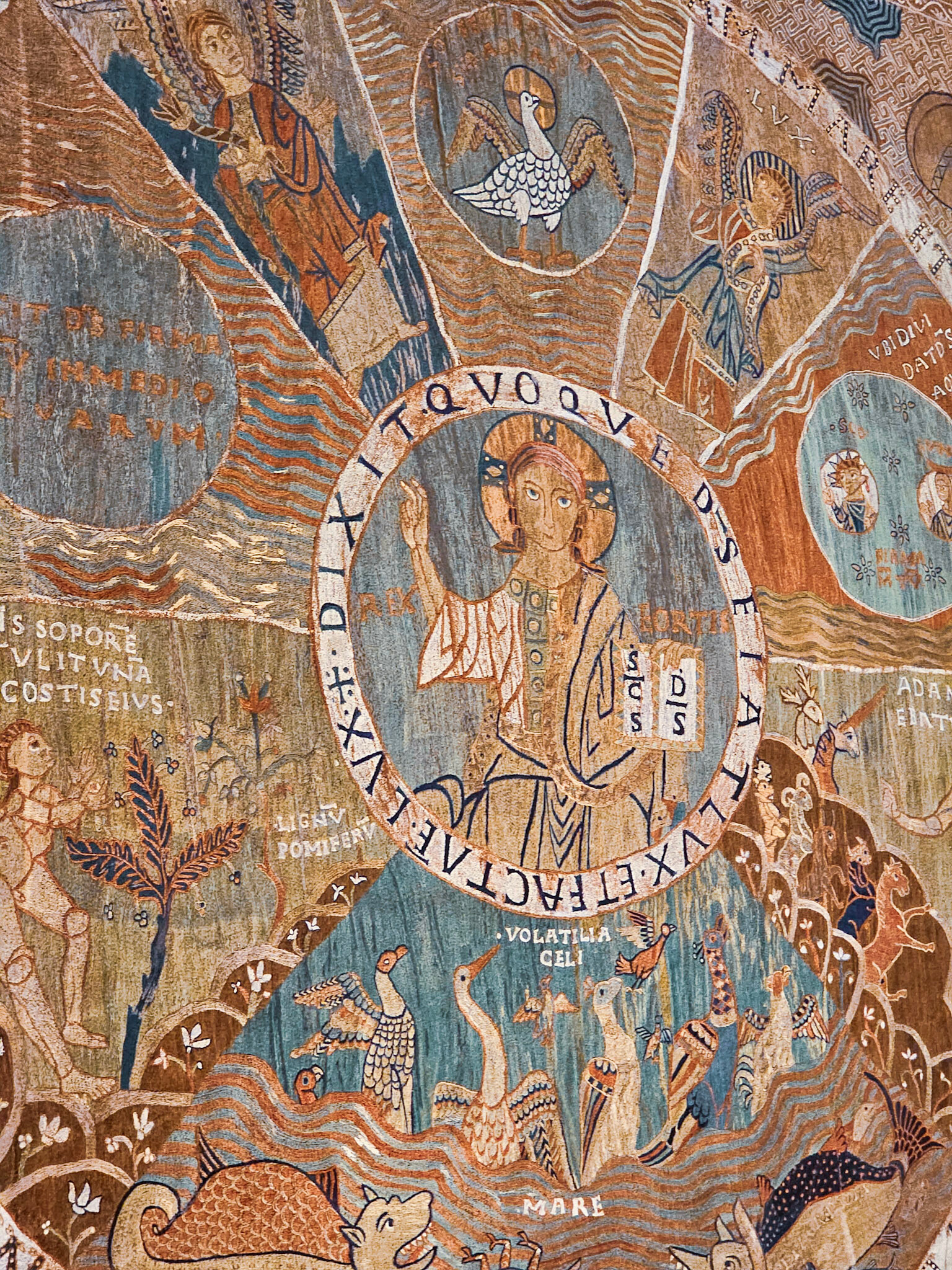
Pay attention to the details of the columns and capitals, where biblical scenes and plant motifs are carved. From the cloister you can enter the former chapter house and the cathedral museum. Inside you will also find the famous Tapís de la Creació, a medieval tapestry depicting the creation of the world. It is one of the most valuable treasures in the whole cathedral and a real gem of Romanesque art. Today the cathedral is one of the most important points of Girona – a place worth seeing not only for the views, but also for the atmosphere and history.
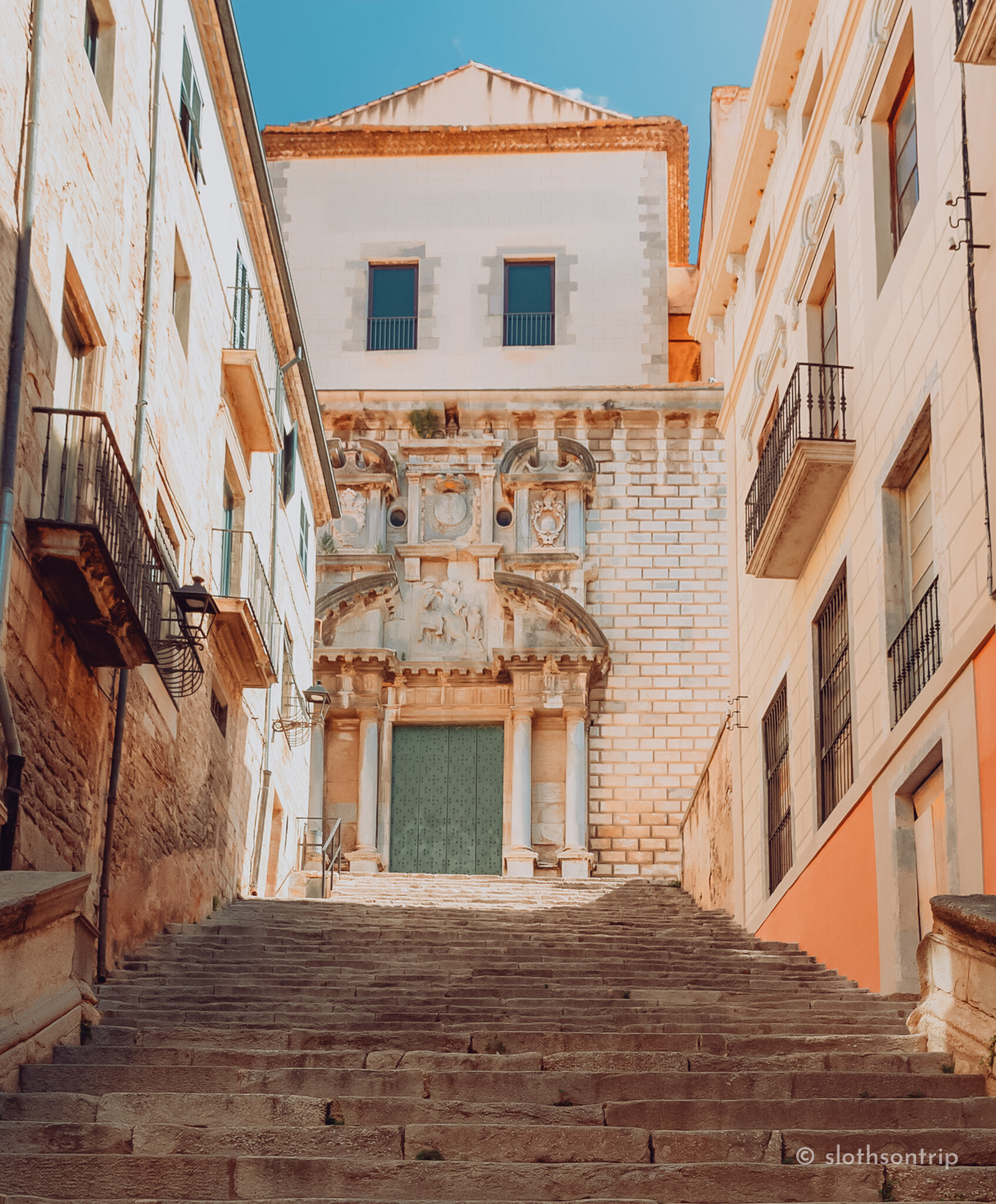
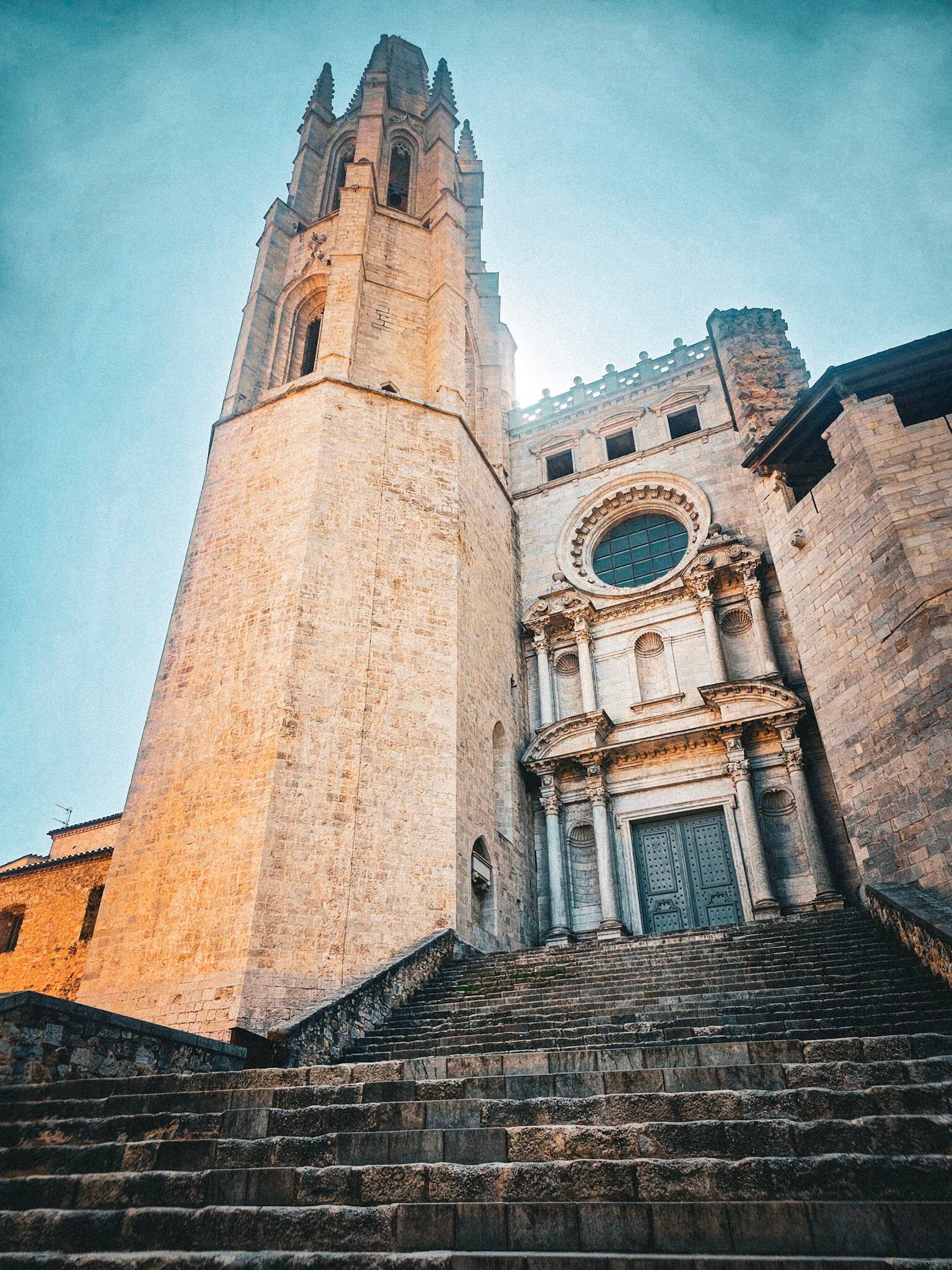
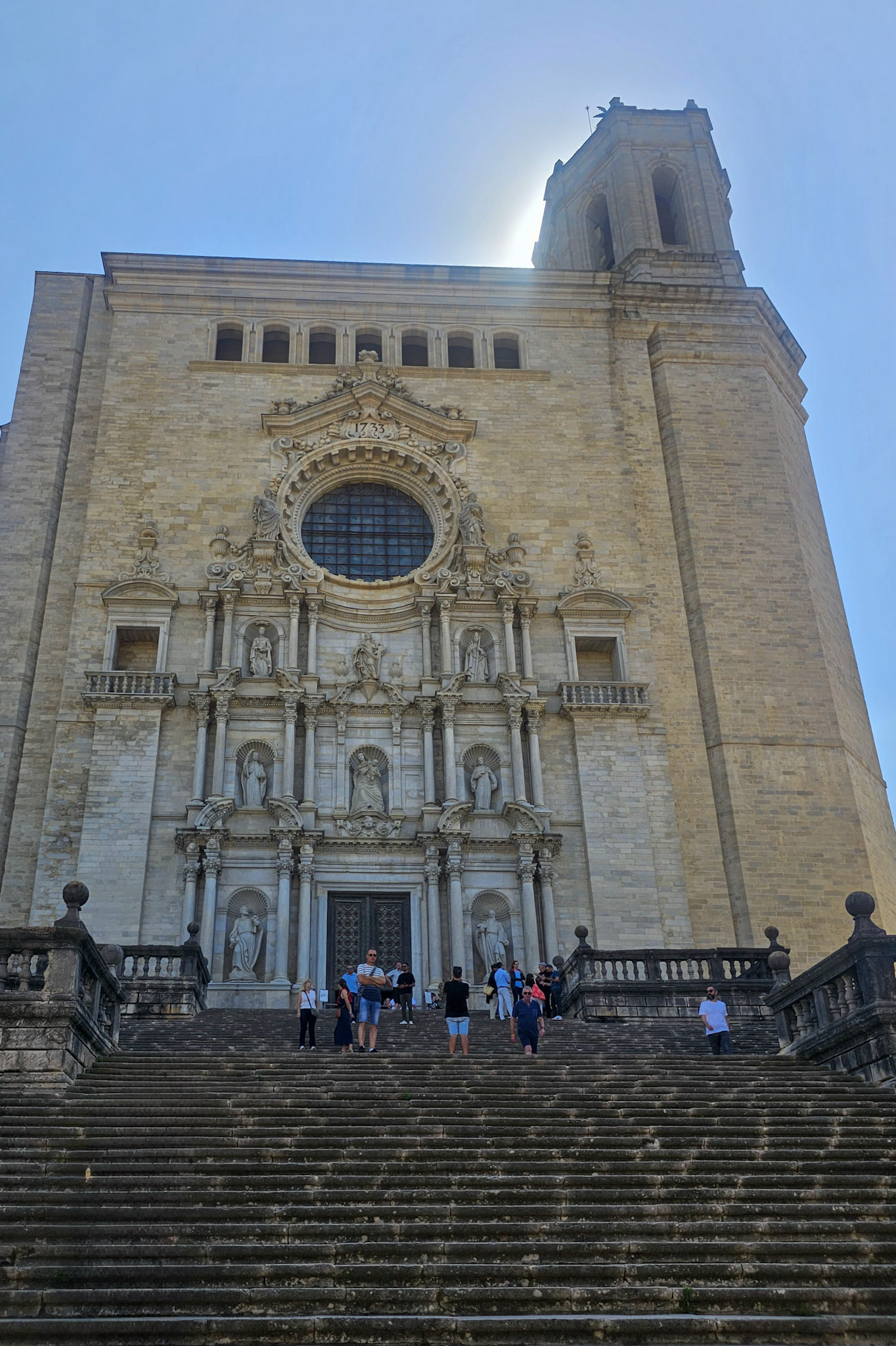
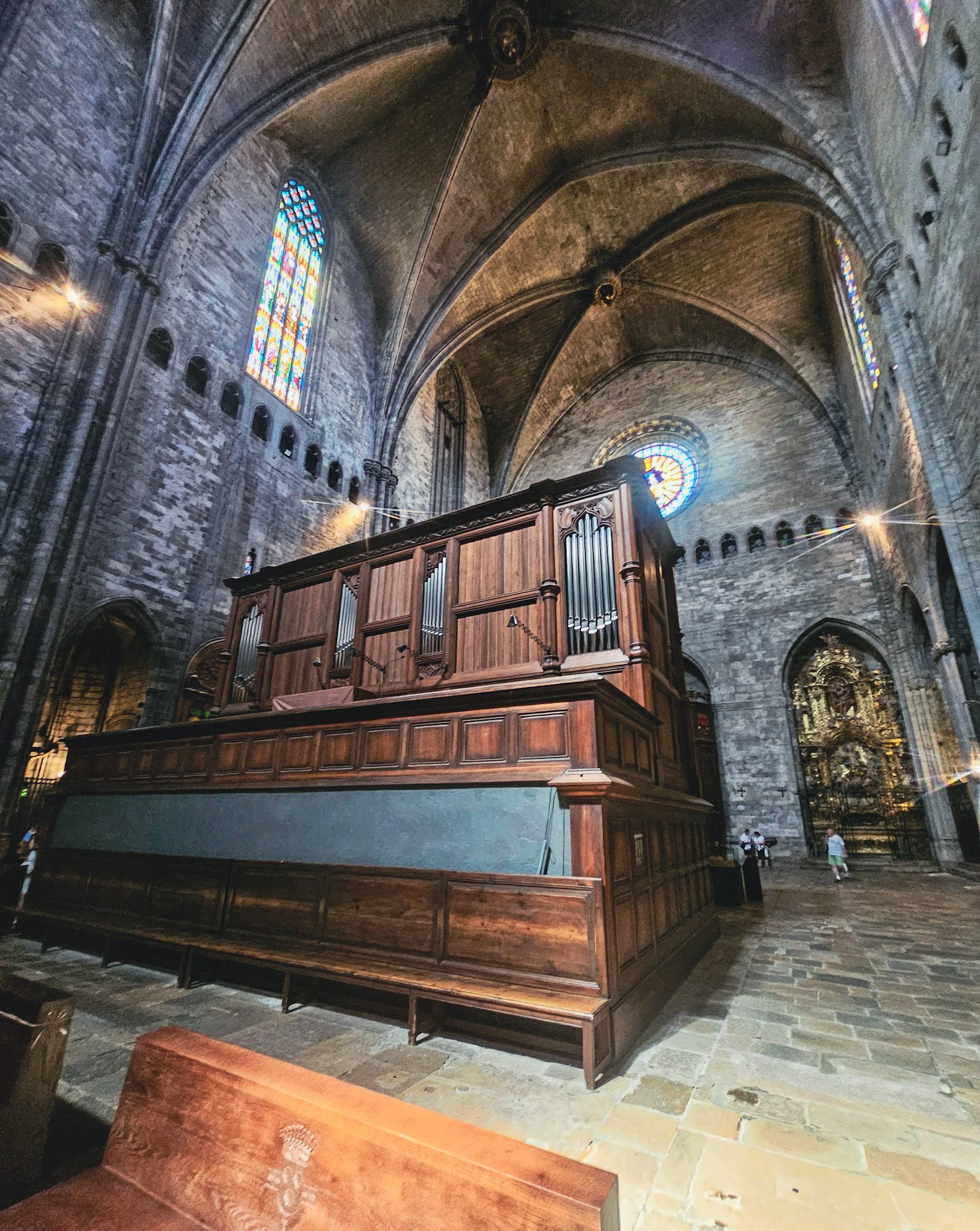
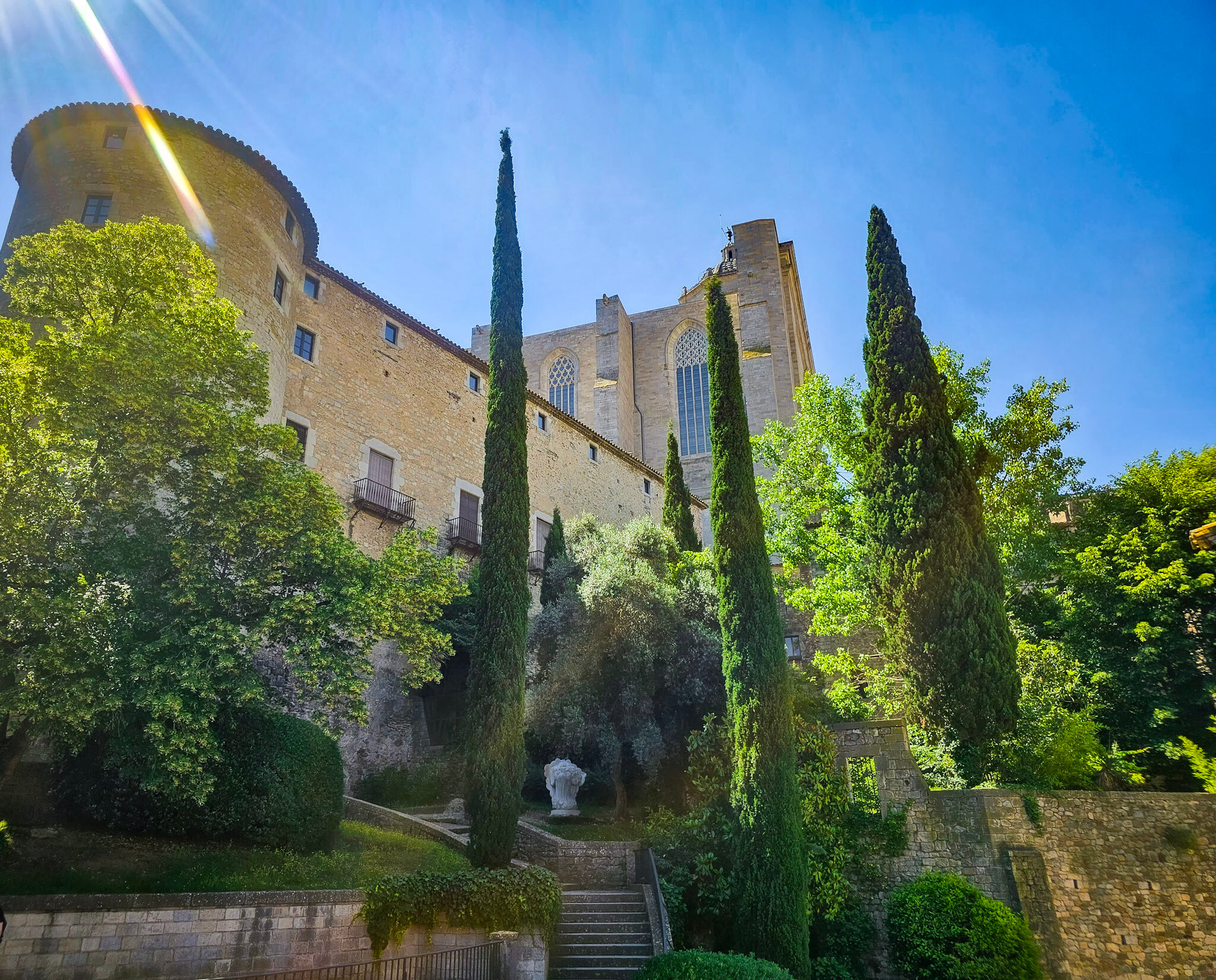
Time to climb the stairs to the Cathedral of Saint Mary, one of the most impressive churches in Spain. Its construction began in the 11th century on the site of a former mosque, which had earlier been built on the ruins of a Roman temple. The most characteristic element is the huge Baroque façade and the monumental stairs leading to the entrance. The interior is even more surprising: it has the widest Gothic nave in the world (about 23 metres wide). The space is stark, but makes a huge impression with its scale and the light coming through the stained glass. Particular attention is drawn to the wooden organ, which stands on a high gallery and is one of the more important furnishings of the cathedral. Its present form dates mainly from the 17th–18th centuries, although the instrument was rebuilt many times and adapted to new musical needs.
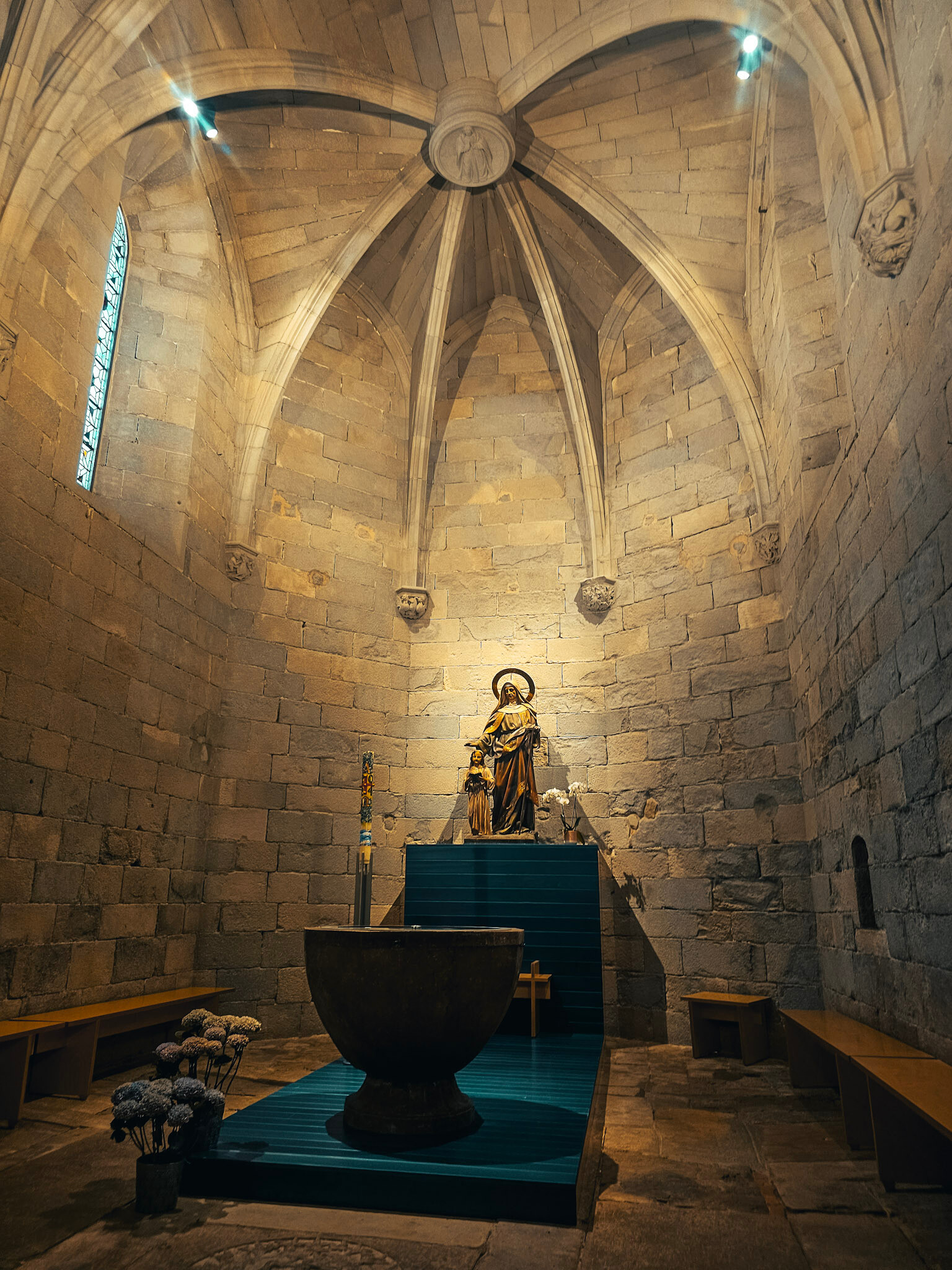
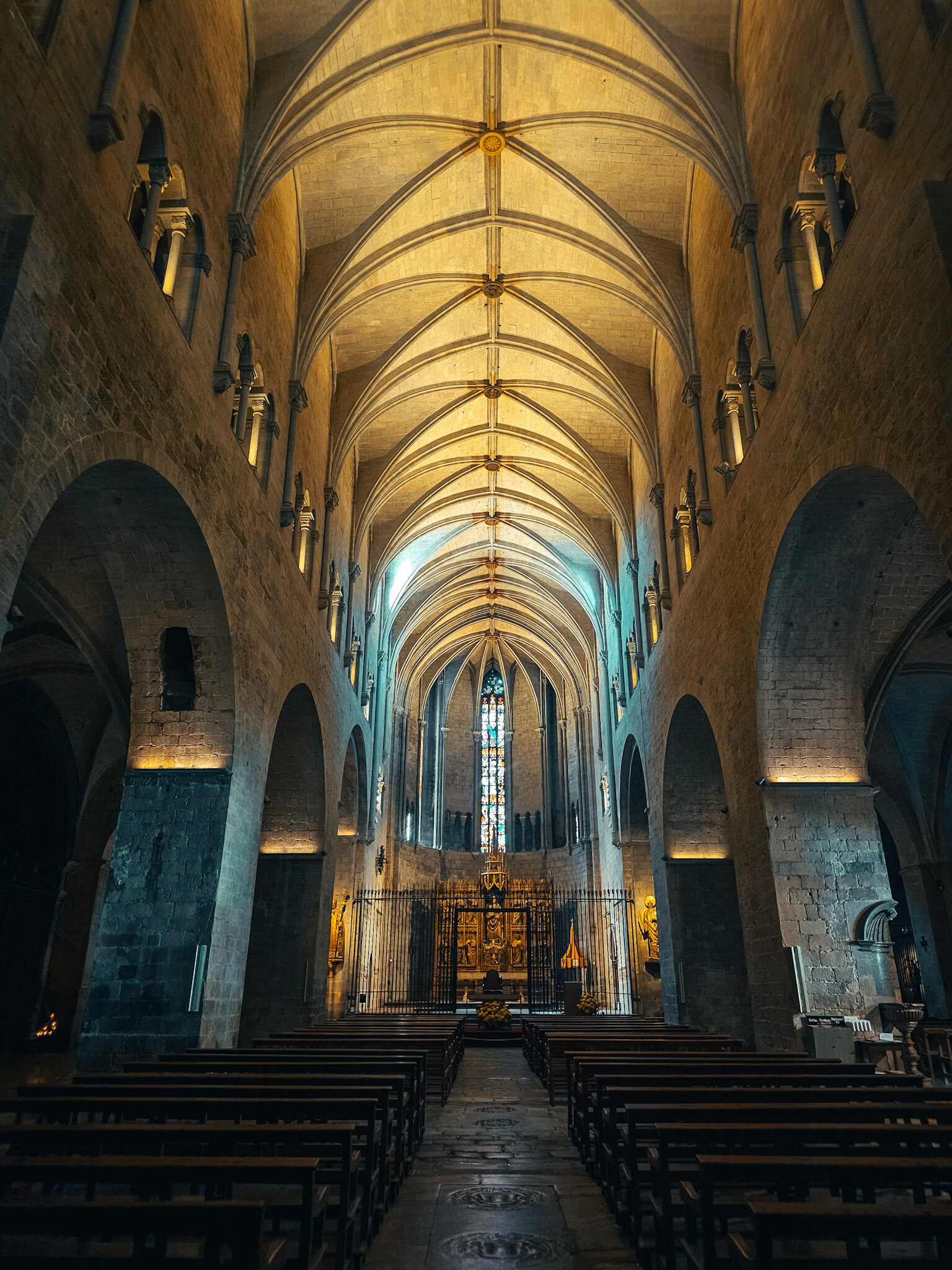
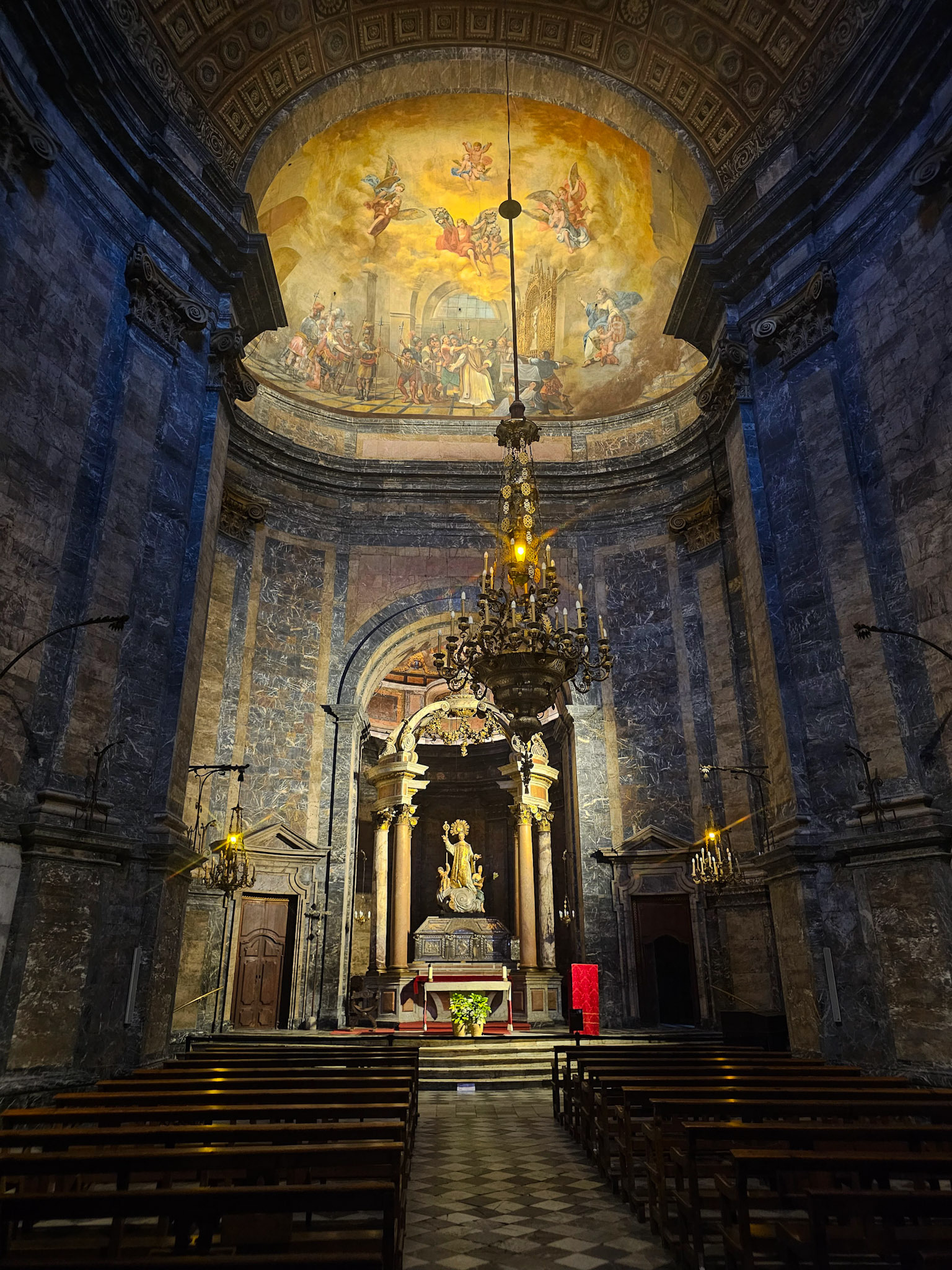
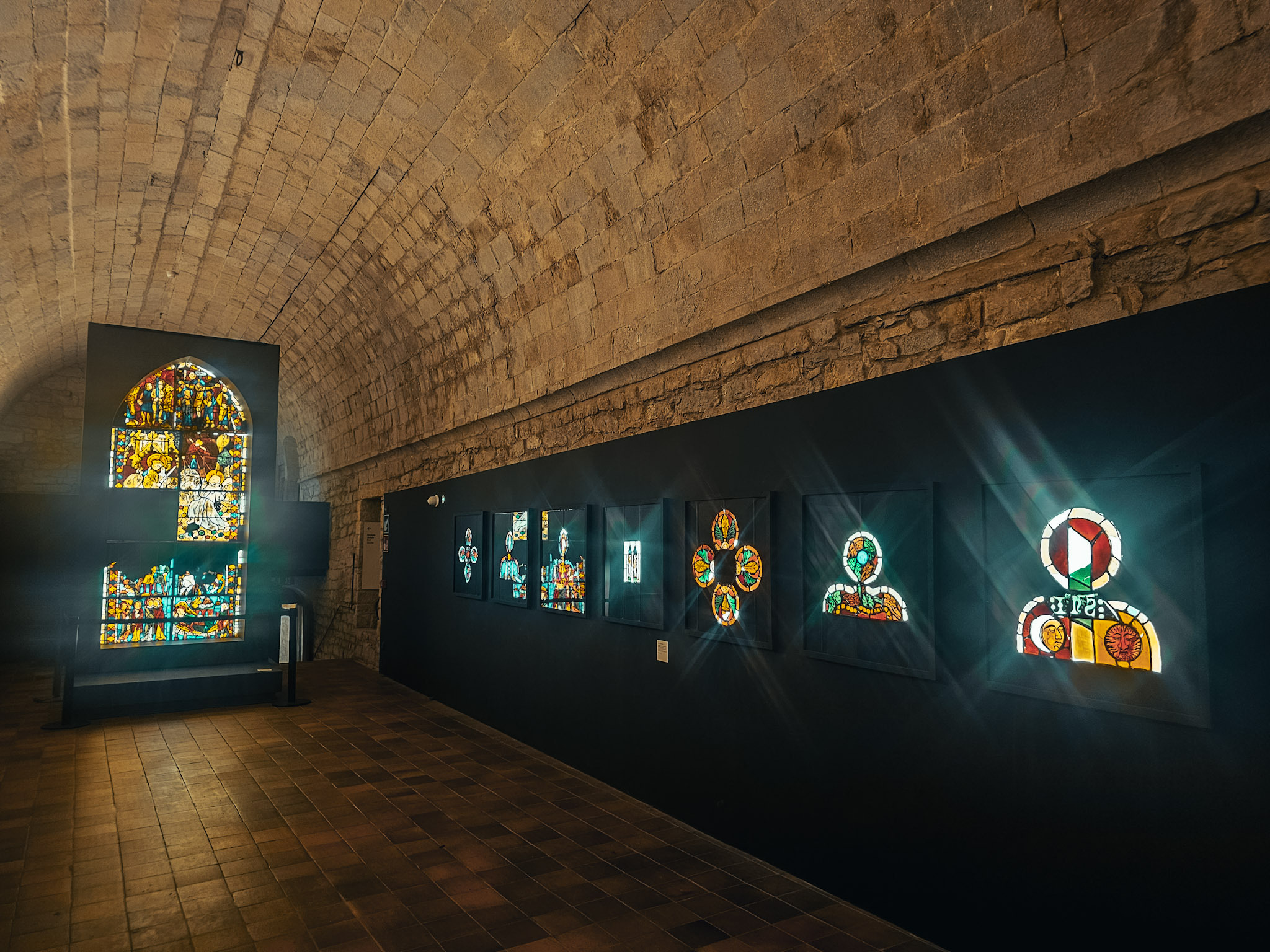
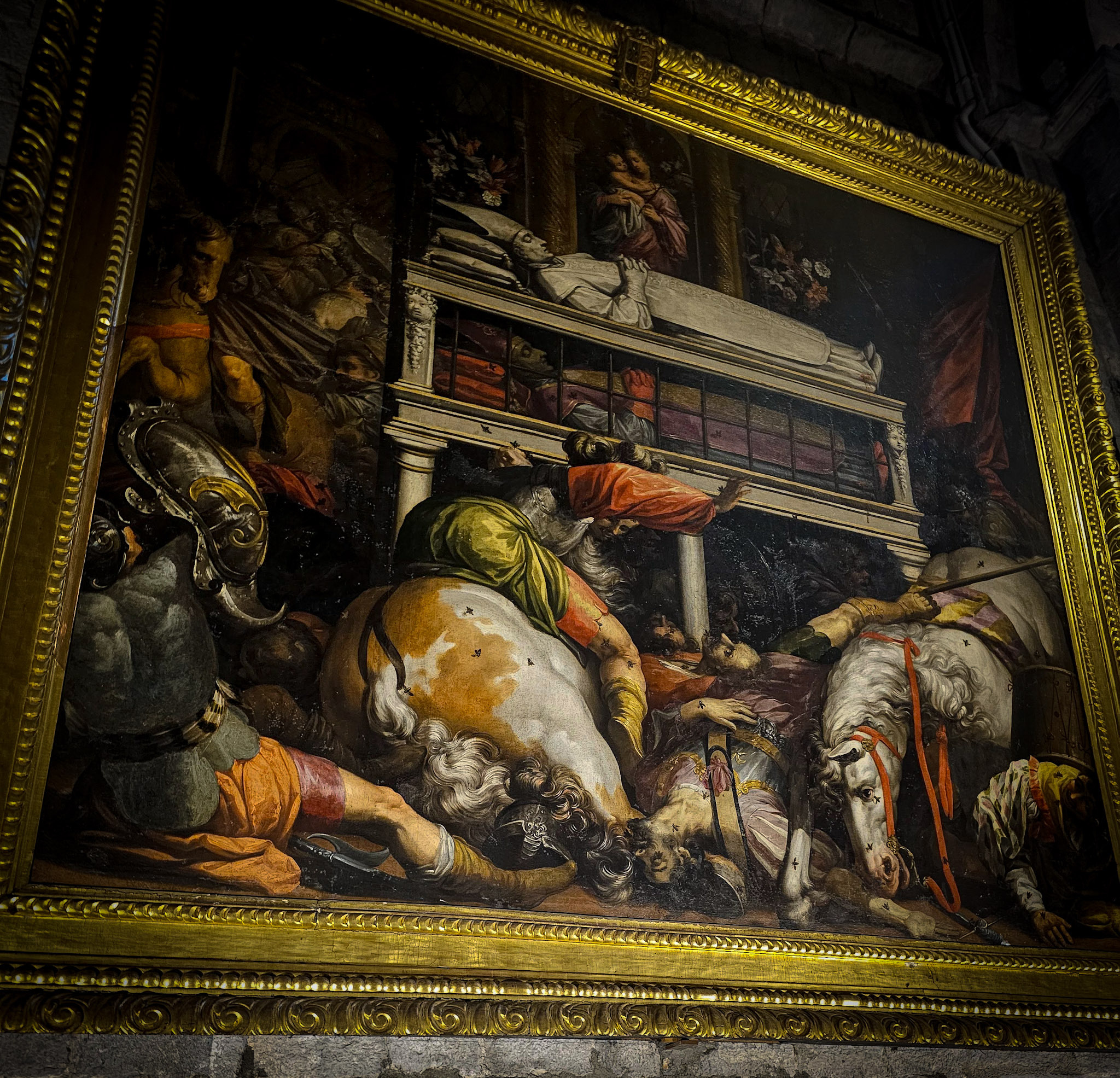
Above: part of a 16th-century altarpiece and one of the paintings by Joan de Borgonya, showing scenes from the life and martyrdom of St Felix, the patron saint of Girona.
Practical information
-
Hours (approx.): Sant Feliu Basilica Mon–Sat 10:00–17:30, Sun 13:00–17:30; Cathedral usually 10:00–18/19:00, Sun from ~12:00
-
Ticket price: approx. €7–8 for a standard ticket
-
Important: the ticket is combined – it covers the cathedral + Sant Feliu Basilica (often also an option with the museum)
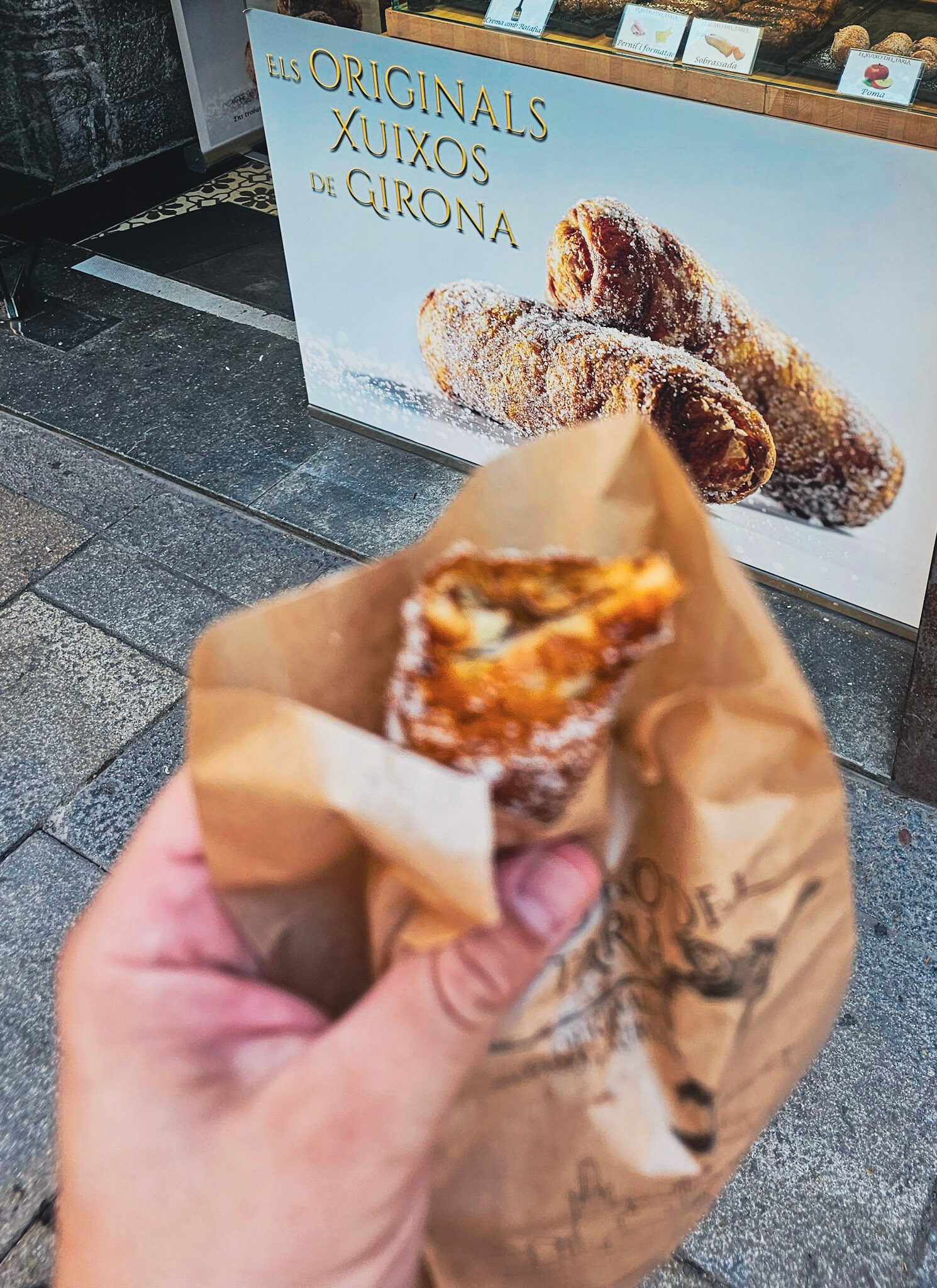
Right next door we find an iconic pastry shop famous for xuixo, a local delicacy with cream, deep-fried and dusted with sugar. It is one of those places where you go in "for a moment" and come out with something for the road and a smile.
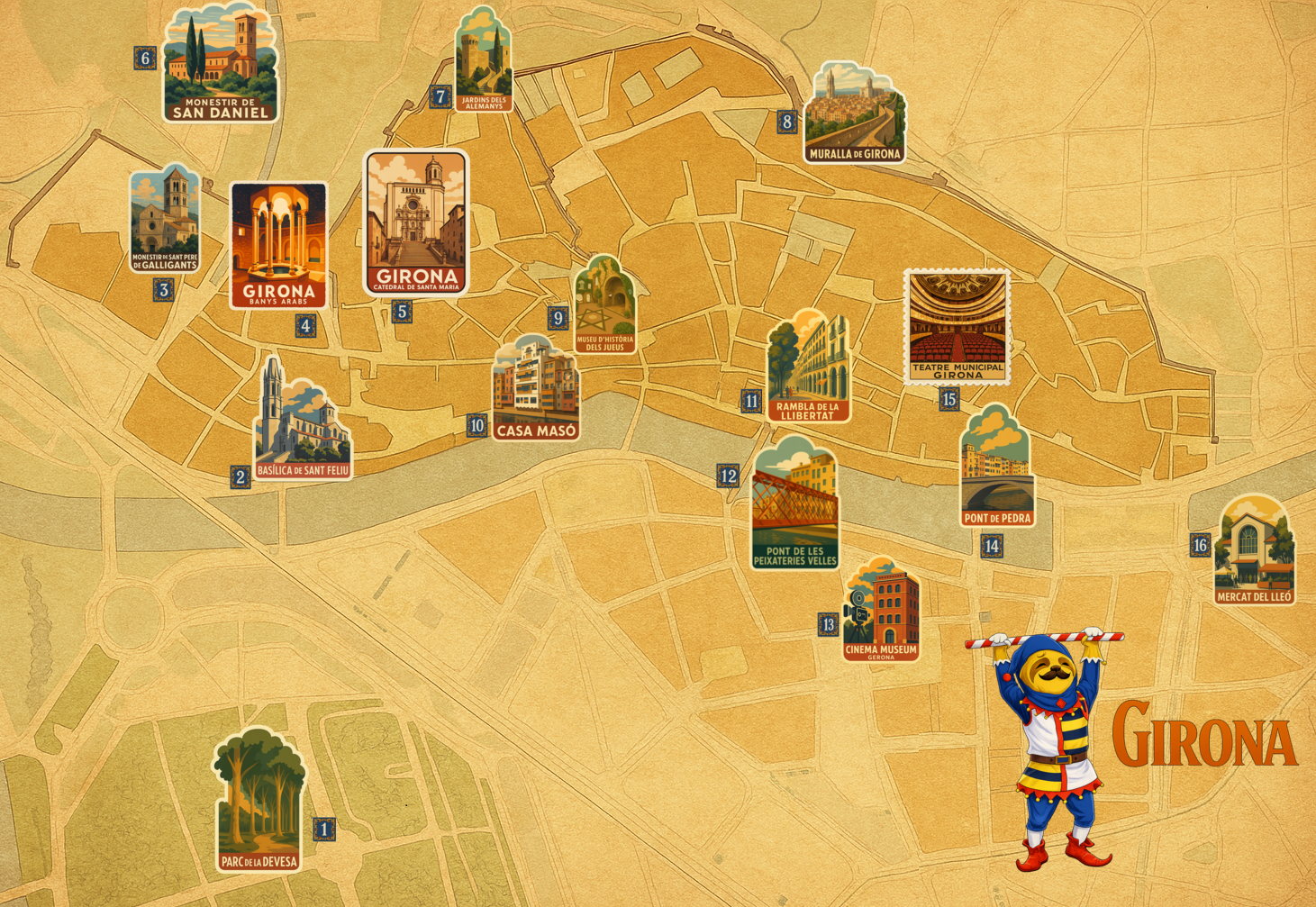
What to see in Girona:
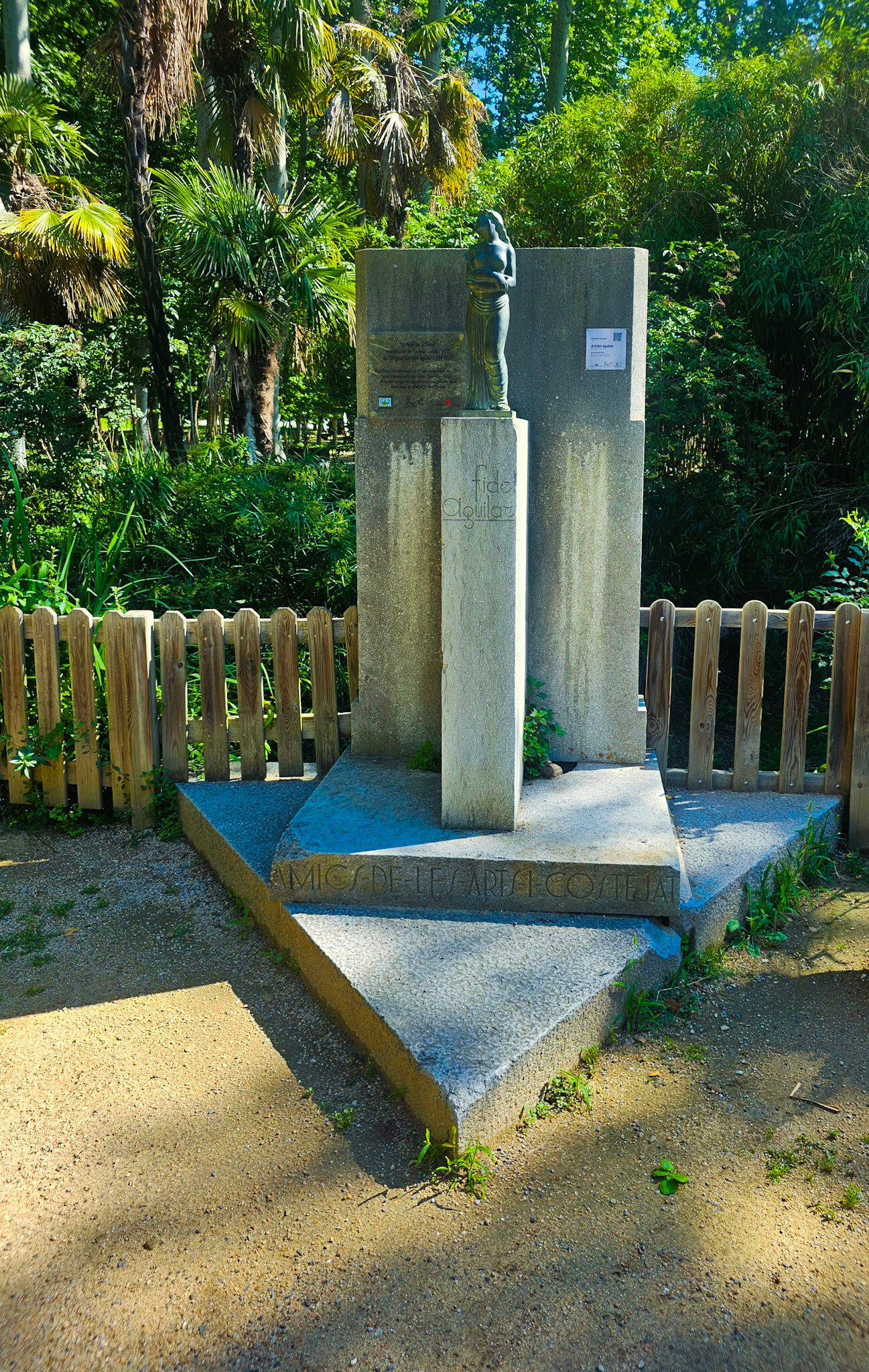
1. Parc de la Devesa - The largest green area in the city, ideal for a calm start to the day. Tall plane trees give shade and a bit of a southern-French feel.
2. Basilica de Sant Feliu - A distinctive building with a tall tower and fewer crowds than at the cathedral. Inside you will find, among other things, Roman sarcophagi – a quick but interesting stop.
3. Monestir de Sant Pere de Galligants - A Romanesque monastery with a stark feel and a small courtyard. Quiet and peaceful, more for soaking up the atmosphere than for sightseeing.
4. Banys Àrabs - Small baths inspired by Arab style, with a characteristic columned hall. Short, but visually very striking.
5. Cathedral (Catedral de Santa Maria) - The city's most recognisable landmark, with monumental stairs. Inside is a huge space that makes a bigger impression than the decorations.
6. Monestir de San Daniel - Located a little off the beaten track, in a green valley. If you have time, it is a calm contrast to the city atmosphere.
7. Jardins dels Alemanys - A small park by the walls, good for a moment of rest. Shade, benches and a view of the old walls.
8. Muralla de Girona - Walking the walls is a quick way to see the city from above. The views are worth the few minutes of climbing.
9. Museu d’Història dels Jueus - Gives context to the El Call district and the history of the Jewish community. Worth it if you want to understand the place, not just see it.
10. Casa Masó - A house by the river designed by Rafael Masó. More of an architectural curiosity than a must-see.
Some cities you simply tick off. Others make you want to come back before you have even left. Girona definitely belongs to the second kind: intimate, authentic, free of Barcelona's crowds, yet full of history and the little details that create its atmosphere.
Why Girona?
Because everything is within reach: the old town, the river, the bridges, the cathedral, atmospheric lanes and eateries where you get everyday life instead of a tourist show. Perfect for 1–2 days with no stress.
Girona: an atmospheric Catalan city, perfect for a city break
11. Rambla de la Llibertat - The main street of city life: restaurants, shops and a promenade feel. A good place for a coffee and for watching the city go by.
12. Pont de les Peixateries Velles - The red bridge designed by Eiffel, the most "Instagrammable" spot. A short stop, but the photo is a must.
13. Cinema Museum - An unusual cinema museum with an interesting collection of old devices. More for enthusiasts than for everyone.
14. Pont de Pedra - A classic stone bridge with a nice view of the river and the colourful houses. A calmer alternative to the red bridge.
15. Teatre Municipal de Girona - A pretty building, more of a landmark. Worth a glance on the way, but no need to go inside.
16. Mercat del Lleó - A local market with food and the everyday life of residents. Good for quick snacks and an authentic atmosphere.
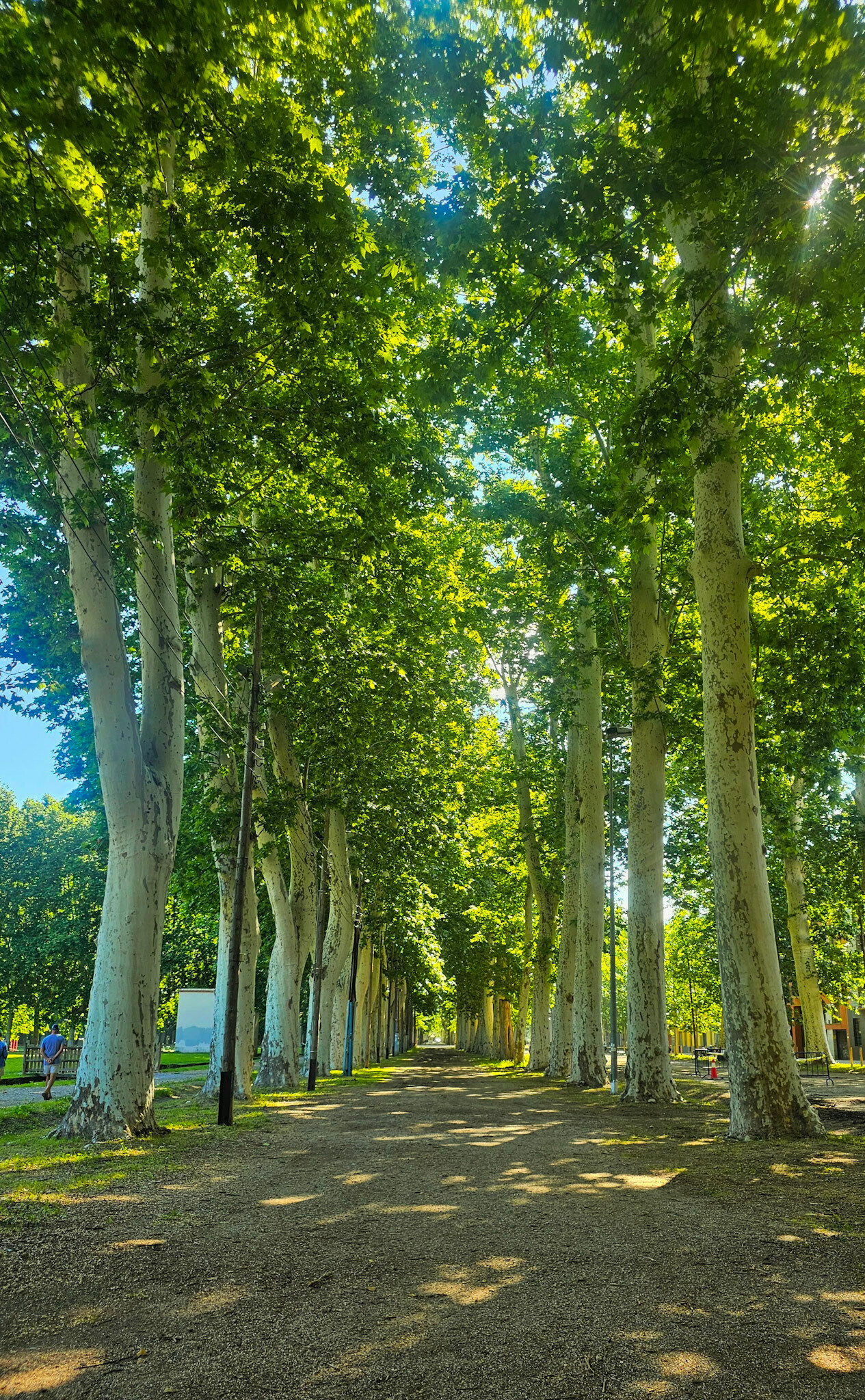
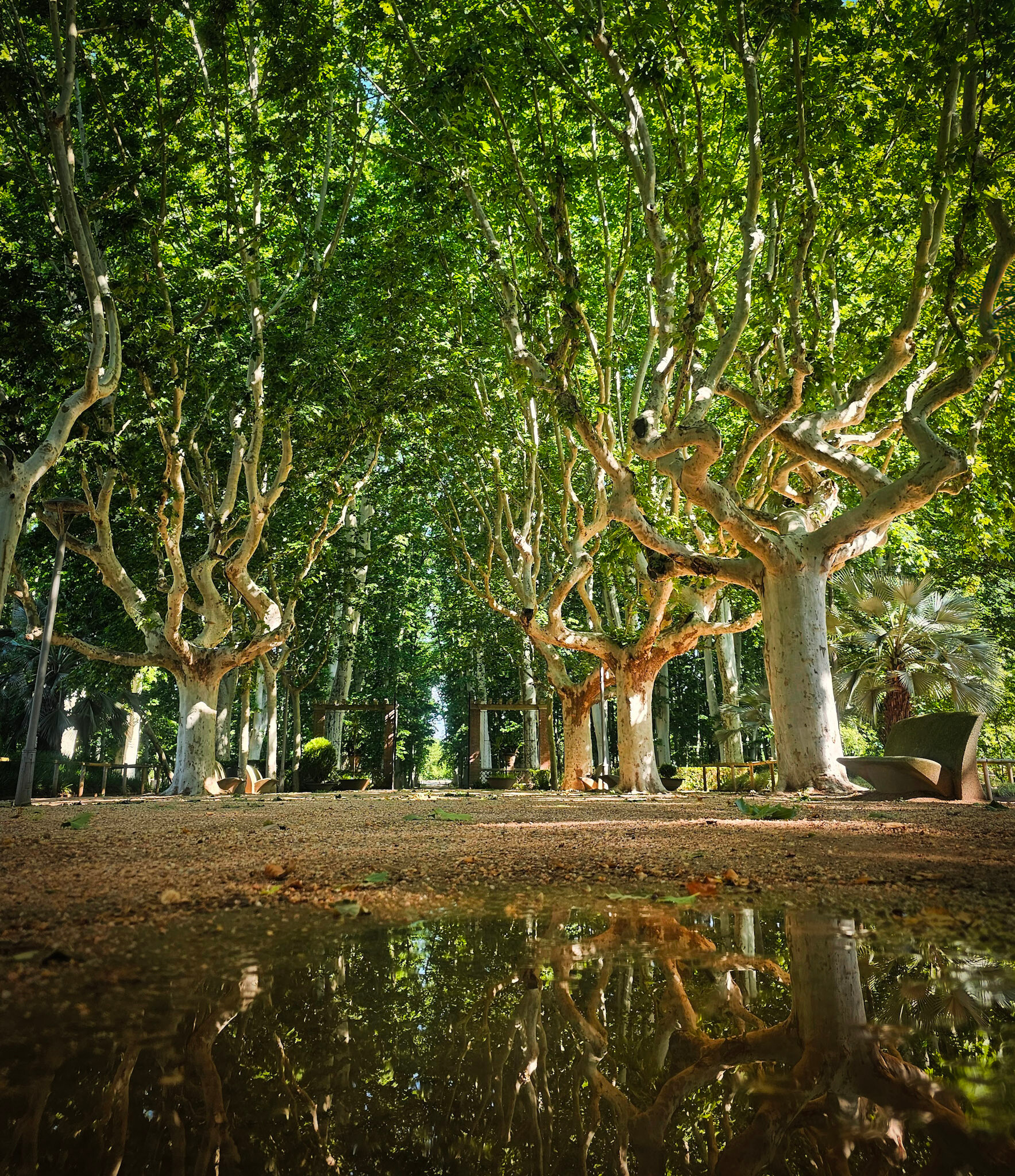
Our hotel was practically next to Parc de la Devesa, so the start of the day could hardly have been easier. You step out and are immediately in a green oasis that shelters you from the heat: tall plane trees, shade, no rush. It is a good way into Girona, because before you hit stone and old walls, you get a moment of ease and space.
From the park to the old town it is literally a few minutes. No tricks, no map – you simply head towards the old buildings and suddenly you are in a completely different world.
Sprawdź nas:
Strona www stworzona w kreatorze WebWave.